

























Fed rate decision keeps Wall Street on edge as earnings stocks take center stage and major indexes hover near records

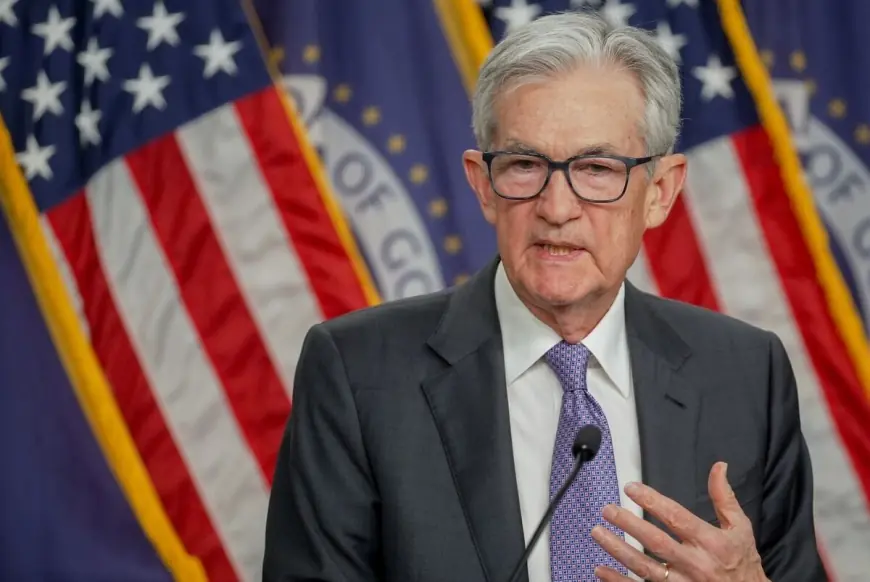
The latest fed rate decision kept U.S. interest rates unchanged, but it did not settle markets. Instead, it set up a classic handoff: monetary policy provided the backdrop, while earnings stocks are expected to drive the next major move in the Dow Jones stock markets, the Nasdaq index, and the S&P 500 index.
The Federal Reserve voted to hold its benchmark rate range at 3.50% to 3.75% on Wednesday, January 28, 2026 ET. The decision was not unanimous, with two officials dissenting in favor of an immediate quarter-point cut, a split that investors read as a sign the debate has shifted from “whether” to “when.”
A steady rate hold, with a dissent that matters
Holding rates steady was widely anticipated, but the 10–2 vote added texture. When a policy pause comes with multiple dissents, traders tend to treat it as a live signal that a pivot could be closer—especially if upcoming inflation and labor data cooperate.
The Fed’s statement kept the tone cautious, describing inflation as still somewhat elevated while suggesting the labor market has stabilized. The reason for the change in voting unity has not been stated publicly beyond policymakers’ differing views on how restrictive rates should be at this stage of the cycle. Further specifics were not immediately available about what data points would be most decisive for the dissenters in the next meeting window.
Dow Jones stock markets, Nasdaq index, and S&P 500 index react: record levels, then hesitation
Stocks were choppy through the afternoon as the rate decision landed. The S&P 500 briefly pushed above the 7,000 level for the first time, reflecting continued confidence in risk assets even as rate cuts are no longer a straight-line assumption. The Nasdaq hovered near record territory as investors leaned into megacap technology and AI-linked names, while the Dow moved more cautiously, tracking a broader mix of industrials, banks, and consumer companies.
That “up first, then wait” behavior is common on Fed days. A steady decision can remove a near-term risk, but it rarely answers the bigger question: whether earnings growth can justify premium valuations if rates stay restrictive longer than hoped.
Why earnings stocks may matter more than the Fed this week
With rates unchanged, the spotlight shifts to corporate results—especially the biggest technology companies that now carry outsized weight in major indexes. Several megacap names are scheduled to report after the closing bell Wednesday, and their guidance will shape expectations for AI spending, cloud demand, advertising, and consumer resilience.
The market’s current math is simple: if revenue and margins hold up, investors can tolerate high prices because growth is real. If guidance disappoints, the same concentration that powers rallies can amplify pullbacks.
A full public timeline has not been released for how quickly the current earnings season’s early trends will translate into index-level profit revisions, but the market typically reprices quickly once large-cap guidance resets assumptions.
How the Fed’s decision actually flows into stock prices and borrowing costs
The Fed controls a short-term policy rate, but markets set prices across the financial system by translating that decision into expectations for future growth, inflation, and liquidity. When investors believe rates will fall sooner, longer-term yields often ease, credit spreads can tighten, and high-growth stocks tend to benefit because future profits are discounted less harshly. When investors think rates will stay higher for longer, financing becomes more expensive, consumers and businesses feel the pinch, and valuations usually face more pressure.
That transmission is why a “hold” can still move markets: the wording, the vote split, and the tone around inflation can change the expected path of rates, even when the current rate does not move.
Who feels it next, and the next milestone on the calendar
Two groups are affected immediately: borrowers (especially those with variable-rate debt such as credit cards and some business lines) and investors whose retirement accounts and portfolios are tied to index swings. Businesses also feel it through the cost of capital, from short-term funding to bond issuance, while savers watch whether deposit and money-market yields keep pace if rate cuts are delayed.
The next verifiable milestone is the next Federal Reserve policy meeting on March 17–18, 2026 ET, when updated economic projections are scheduled and expectations can reset more decisively. Before then, the more immediate checkpoint is earnings: once the biggest index-weighted companies report and give forward guidance, markets will have a clearer basis for whether today’s record-level positioning is supported by fundamentals—or running ahead of them.