

























FOMC Meeting Today ends with Fed holding rates steady as two officials dissent

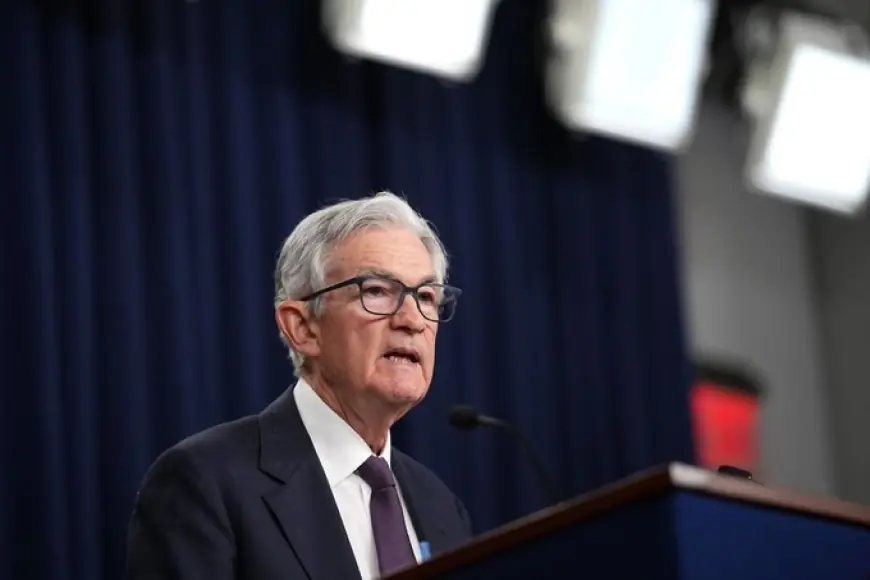
FOMC Meeting Today delivered a familiar headline but an unusual detail: the Federal Reserve held its benchmark interest rate range unchanged, yet two policymakers voted for an immediate cut. The decision, released Wednesday, January 28, 2026 at 2:00 p.m. ET, keeps the federal funds target range at 3.50% to 3.75% while officials emphasize a wait-and-see posture on inflation and growth.
The split vote adds a sharper edge to an otherwise cautious message, signaling that internal debate over the timing of the next move is no longer purely theoretical.
Rates unchanged, but a split vote sends a signal
The Federal Open Market Committee kept policy steady after its two-day meeting that began Tuesday and concluded Wednesday. In the accompanying statement, the committee reiterated that uncertainty about the economic outlook remains elevated and said it will carefully assess incoming data, the evolving outlook, and the balance of risks before making additional adjustments.
Two members, Stephen I. Miran and Christopher J. Waller, voted against the decision and preferred a quarter-point rate cut at this meeting. Further specifics were not immediately available about whether the dissent reflected different inflation assumptions, concerns about labor-market cooling, or a stronger desire to insure against downside risks.
What the Fed said about growth, jobs, and inflation
The statement offered a mixed snapshot of the economy. Officials said economic activity has been expanding at a solid pace, job gains have remained low, the unemployment rate has shown some signs of stabilization, and inflation remains somewhat elevated.
That combination helps explain why the committee is not rushing. Strong overall activity argues against quick easing, while softer job gains and “somewhat elevated” inflation point to an economy still navigating the last mile of disinflation without triggering a deeper slowdown.
Key terms have not been disclosed publicly about what specific thresholds would prompt the committee to cut sooner rather than later, beyond its general commitment to maximum employment and inflation at 2% over the longer run.
How FOMC decisions actually reach your wallet
The Fed does not set mortgage rates, car loans, or credit card APRs directly. Instead, it targets the federal funds rate, which influences short-term borrowing costs across the financial system. Banks and markets then reprice a wide range of rates, from prime lending rates to Treasury yields, which ultimately shape what households and businesses pay.
That transmission can be fast for variable-rate products and slower for fixed-rate loans. Credit cards and home-equity lines often adjust quickly. Mortgages depend more on longer-term yields and expectations for where Fed policy is headed, which is why markets can move on the wording of a statement even when the rate itself does not change.
Who is affected, and what comes next
Borrowers with variable-rate debt and families shopping for mortgages are the most immediate stakeholders, because small shifts in rate expectations can change monthly payments and affordability. Businesses that rely on revolving credit or short-term funding feel it too, especially smaller firms that borrow at rates closely tied to bank benchmarks. Investors are another key group, since a “hold” paired with dissent can reshape assumptions about the next cut and tilt moves in stocks, bonds, the dollar, and commodities.
The next near-term milestone is Chair Jerome Powell’s press conference scheduled for 2:30 p.m. ET, where markets will listen for any change in tone on inflation progress, labor conditions, and the committee’s tolerance for waiting. After that, the next scheduled policy meeting runs March 17 to 18, 2026, which is slated to include an updated set of economic projections, a moment that often resets expectations more decisively than a statement-only meeting.