

























Bill Cosby lawsuit filings revive scrutiny of sworn testimony about sedatives and consent

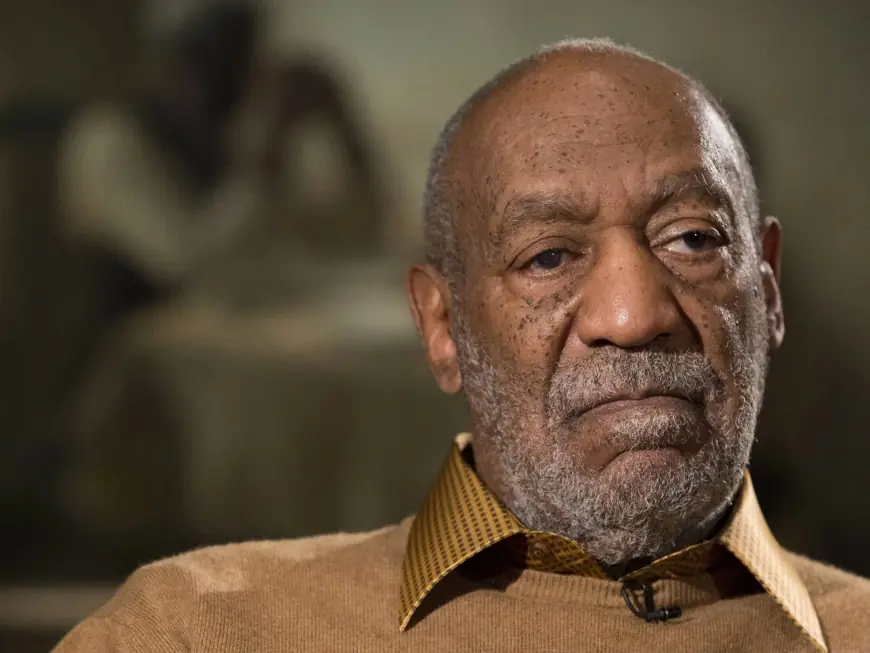
Bill Cosby is again at the center of renewed legal and cultural attention after court records in a long-running civil case resurfaced sworn testimony in which he acknowledged obtaining Quaaludes with the intent of giving them to women he wanted to have sex with. The renewed focus comes as Cosby, now in his late 80s, continues to deny sexual assault allegations while facing multiple civil claims that remain active years after his criminal conviction in Pennsylvania was overturned.
Further specifics were not immediately available about how quickly the newest motions in the Los Angeles case will be heard and whether any additional deposition excerpts will be filed ahead of the next court date.
A California civil case brings old testimony back into the spotlight
The latest round of attention is tied to an ongoing civil lawsuit filed in Los Angeles County involving Donna Motsinger, who alleges Cosby drugged and raped her in the early 1970s. In filings connected to the case, Cosby’s prior sworn statements about sedatives have re-entered public discussion, including testimony that he obtained Quaaludes through prescriptions and intended to give the pills to women during sexual encounters. In that testimony, Cosby maintained he did not take the drugs himself and has continued to dispute that any sexual activity was nonconsensual.
The case is part of a broader pattern of litigation that has continued even after Cosby regained his freedom in 2021. While the Pennsylvania criminal conviction was vacated, the civil system has remained a forum where accusers can still seek damages and court-ordered relief when claims are allowed to proceed.
A full public timeline has not been released describing every pending motion across Cosby’s remaining civil docket, which spans more than one jurisdiction.
Why the 2021 reversal did not end Cosby’s legal exposure
Cosby’s criminal conviction in Pennsylvania was overturned because the state’s highest court found that prosecutors violated a prior commitment not to prosecute him, a decision rooted in due process concerns. That ruling did not declare him innocent of the underlying allegation; it focused on the fairness of the prosecution given earlier assurances and the way those assurances affected Cosby’s cooperation in related proceedings.
That distinction is key to understanding why civil lawsuits have continued. Criminal cases are brought by the government and seek punishment. Civil cases are brought by private plaintiffs and typically seek compensation and other remedies. Different standards and different goals mean a criminal reversal does not automatically wipe away civil exposure, especially when plaintiffs can still file within applicable time limits or under special revival provisions.
Key terms have not been disclosed publicly about whether Cosby’s legal team plans to pursue global settlements in any remaining matters or continue fighting each case individually.
How these civil cases move forward and what “sworn testimony” means
Civil sexual-assault lawsuits generally hinge on three categories of proof: the plaintiff’s account, corroborating evidence such as communications or witnesses, and credibility testing through discovery. Discovery is the process where each side can demand documents, take depositions under oath, and ask detailed questions about timelines, relationships, and prior statements.
Sworn testimony matters because it can be used to challenge inconsistencies and establish admissions relevant to disputed issues like intent, access to drugs, and patterns of behavior. Courts can also consider whether certain evidence should be sealed, limited, or excluded, especially when material could prejudice a jury pool.
Because many allegations involve decades-old events, civil litigation often turns on procedural fights before any trial happens at all, including whether the claim is timely, whether a revival window applies, and whether the court has enough jurisdiction over parties and related entities. These threshold disputes can take months, and in some cases years, to resolve.
Some specifics have not been publicly clarified about what additional evidence, if any, will be introduced beyond testimony excerpts and what discovery remains outstanding in the Los Angeles matter.
Impact on accusers, fans, and the entertainment business
The renewed attention affects several groups differently. For accusers and other survivors who have watched the Cosby saga for more than a decade, each new filing and hearing can reopen public scrutiny and personal trauma while also offering a route to accountability in the only venue still available to them. For Cosby and his family, the ongoing lawsuits prolong reputational and financial strain, regardless of outcomes.
The entertainment industry and audiences are also stakeholders. Cosby’s legacy remains a cautionary case study in how fame, institutional power, and public persona can shape who is believed and when. For fans who grew up with his work, the continued litigation reinforces that the cultural conversation around accountability and consent is not a closed chapter, even when criminal proceedings end.
What happens next in court
In the days ahead, attention is likely to stay on procedural steps rather than spectacle: motions, discovery disputes, and scheduling decisions that determine whether the Los Angeles case advances toward trial or narrows through dismissal rulings. The next verifiable milestone will be the court’s next hearing on pending motions in the Los Angeles County civil case, where the judge can set deadlines for additional filings, depositions, and any trial-setting conference that would put the dispute on a firmer calendar.