




















Brian Duker hired as Jets defensive coordinator, reuniting with Aaron Glenn

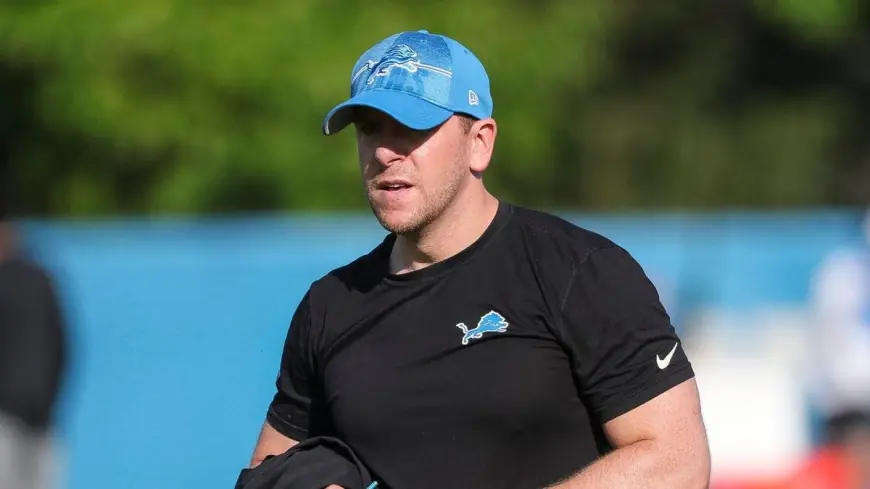
Brian Duker is stepping into a bigger spotlight after the New York Jets named him their defensive coordinator on Wednesday, Jan. 28, 2026 ET, turning to a young assistant coach with a deep résumé and recent AFC East experience. The hire brings Duker back alongside head coach Aaron Glenn, with whom he previously worked in Detroit, and it signals another step in the Jets’ effort to reshape their identity on defense heading into the 2026 season.
Further specifics were not immediately available.
A full public timeline has not been released.
A reunion hire after stops in Miami and Detroit
Duker, 36, arrives from the Miami Dolphins, where he spent the past two seasons working as pass game coordinator and secondary coach. Before that, he was part of Glenn’s staff with the Detroit Lions from 2021 through 2023, holding a series of roles that included defensive assistant, safeties coach, and defensive backs coach. That shared history matters in the NFL, where terminology, teaching style, and weekly preparation routines can be as important as the playbook itself.
The Jets framed the move as an investment in a coach known for aggressive coverage teaching and strong day-to-day detail work. While coordinator hires often come with outside-the-building intrigue, this one reads as a familiarity play: Glenn choosing someone he already knows can build a room, communicate standards, and help install a defense quickly in the spring and summer.
Toddler steps to the top job: Duker’s coaching history in context
Duker’s path is a classic modern NFL climb, starting with support roles and growing into position coaching and game-planning responsibilities. He began his professional journey in 2015 as a defensive intern with the Cleveland Browns, then moved to the San Francisco 49ers in 2016 in an analyst role. From 2018 through 2020, he was with the Baltimore Ravens in defensive analyst and staff assistant capacities, gaining exposure to an organization known for detailed opponent-specific planning and flexible coverage structures.
Before the NFL, Duker coached in college settings that helped build foundational teaching chops, including work at Bryant as a defensive graduate assistant and time at Missouri in recruiting support and defensive quality control. That mix of scouting, analysis, and position coaching is often what puts an assistant in position to handle coordinator-level responsibilities, even if the title arrives before the public has heard much about the coach.
Some specifics have not been publicly clarified about the final makeup of the Jets defensive staff under Duker, including which assistants will be retained and which new hires will be added.
What a defensive coordinator actually controls, and why play-calling is a separate question
A defensive coordinator’s job is both strategic and operational. The coordinator helps shape the scheme, builds weekly game plans, determines how coverages marry to pass rush, and sets teaching priorities that show up in practice scripts. During the season, the role can also include deciding personnel packages, crafting pressure tendencies, and adjusting calls based on what an offense is showing.
Play-calling, however, is not automatically guaranteed by the title. Some head coaches call the defense themselves, while others delegate it fully to the coordinator. In those cases, the coordinator may still run installation, build the weekly plan, and manage the defensive staff even if the headset call on Sundays comes from the head coach. Glenn has not publicly detailed how in-game defensive play-calling will be handled in 2026, and that detail can change depending on staff composition and how the preseason unfolds.
Who’s affected immediately, and what changes on the field could look like
The first group affected is the Jets’ defensive players, especially the secondary and linebackers, who will absorb the most direct teaching changes during install and training camp. Even small adjustments in leverage rules, coverage checks, and communication structure can change how fast a defense plays on Sundays. The second group is Jets fans and season-ticket holders, who tend to read coordinator hires as a signal about identity: whether the team will lean into pressure, prioritize coverage disguise, or emphasize limiting explosive plays.
There is also a ripple for coaches and front offices across the league. Coordinator titles influence career trajectories, and when a young assistant like Duker moves up, it creates openings on the staff he left and increases competition for experienced position coaches who can help stabilize the transition.
The next milestone for Duker and the Jets’ defense
The next verifiable milestone will be the Jets’ formal offseason staff announcements and Duker’s first public availability tied to a press conference or team media session, followed by the initial on-field install during the offseason program. Those moments will offer the clearest early indicators of how the Jets plan to teach, communicate, and structure the defense under Duker’s coordination as the 2026 season build begins.