

























Researchers Discover World’s Oldest 430,000-Year-Old Wooden Tools

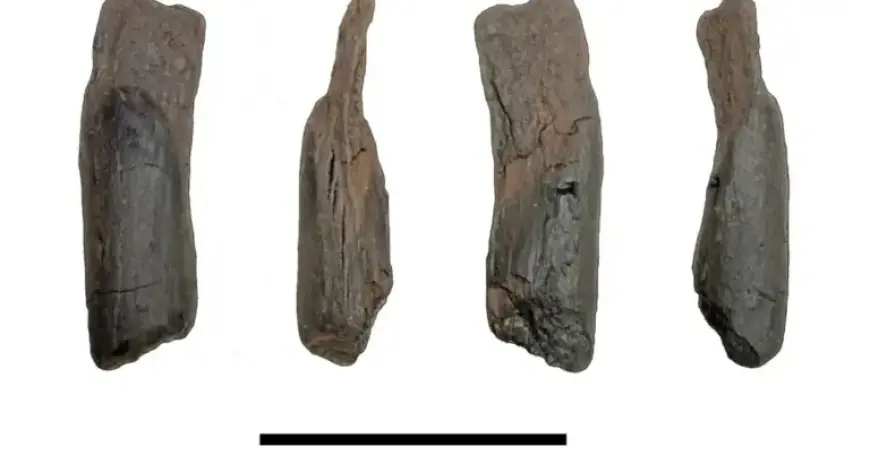
Researchers have made a significant discovery related to the world’s oldest wooden tools, dating back 430,000 years. This remarkable find reshapes the understanding of prehistoric tool-making. The tools, presumably made from materials such as wood and bone, offer insights into the daily lives of early humans.
Key Discoveries in Tool-Making
The tools were uncovered in a variety of locations, with a notable focus on sites in Europe and Africa. A groundbreaking finding was a hammer made of elephant or mammoth bone at the Boxgrove site in West Sussex, England. This tool, previously misidentified, challenges the previous timeline for the emergence of bone tools.
Characteristics of the Tools
- The hammer measures four inches and has a triangular shape.
- Distinct notches and marks indicate that it was crafted for a specific purpose: knapping.
- Flint pieces embedded in the bone confirm its repeated use against stone.
Research led by Dr. Bello has provided crucial insights into the tool’s creation. It was likely fashioned while still fresh, raising questions about hunting versus scavenging behaviors of ancient humans. Dr. Bello emphasizes that the evidence of usage on the bone suggests a sophisticated understanding of material properties in tool-making.
Implications for Prehistoric Tool Use
The research also underscores that the variety of raw materials utilized by early humans extended beyond flint. Thomas Terberger, an expert at the Lower Saxony State Office for Cultural Heritage, affirms that bone and wood were likely viewed as valuable resources.
He notes, “Imagine how many tools you can make from a single large bone of an elephant.” This statement reflects the ingenuity of our ancient ancestors, who adapted their tool-making strategies based on available materials.
Conclusion
The findings regarding the world’s oldest wooden tools reveal a complexity in the prehistoric toolkit that was previously underestimated. The ongoing research highlights the need for further exploration of ancient sites and museum collections. Future discoveries may continue to broaden our understanding of how early humans interacted with their environments and the materials they employed in their daily lives.