























Philip Glass Cancels Kennedy Center Debut of Symphony No. 15

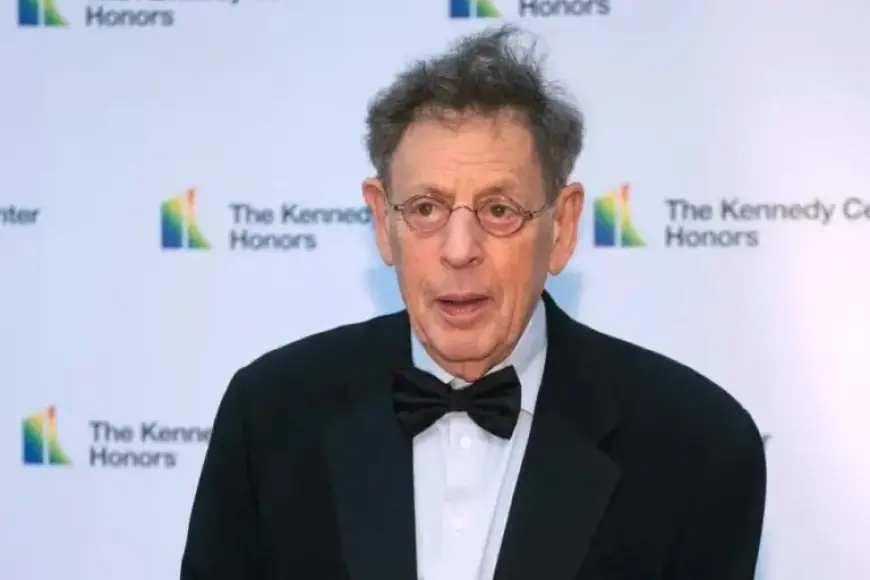
Philip Glass has canceled the world premiere of his Symphony No. 15, titled “Lincoln,” originally set for June 12 and June 13 at the Kennedy Center. The renowned composer made this decision in response to the current leadership at the venue, citing a conflict with the symphony’s message.
Background on Symphony No. 15
Glass’s Symphony No. 15 is a tribute to Abraham Lincoln. It draws inspiration from Lincoln’s 1838 “Lyceum Address,” where he cautioned against mob violence and the threats it poses to democracy.
Cancellation Details
- Composer: Philip Glass
- Conductor: Karen Kamensek
- Original Dates: June 12–13
- Venue: Kennedy Center
In a statement, Glass explained, “Symphony No. 15 is a portrait of Abraham Lincoln, and the values of the Kennedy Center today are in direct conflict with the message of the Symphony.” His withdrawal is part of a broader trend of artists stepping back from the Kennedy Center.
Responses to the Cancellation
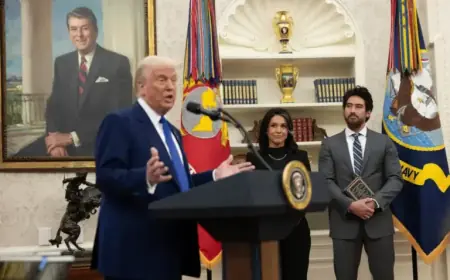
Roma Daravi, the Kennedy Center’s vice president of public relations, expressed the center’s stance, saying, “We have no place for politics in the arts.” This reflects the ongoing tensions surrounding the venue, particularly since the appointment of new trustees under President Trump.
Historical Context
Philip Glass, nearing 89, has a strong connection to the Kennedy Center. He was honored there in 2018 and received a National Medal of Arts from former President Barack Obama in 2015. However, the recent political climate has influenced several artists—including Renée Fleming and Bela Fleck—to withdraw from performances at the center.
Implications for the Arts
Glass’s decision highlights the ongoing debates regarding artistic expression amid political controversies. The Kennedy Center is now at the center of discussions about “woke” culture, particularly under the influence of its new trustees.
As the situation develops, the future of performances at the Kennedy Center remains uncertain, particularly for artists who feel their values conflict with the center’s leadership.