

























Trump Praises Dollar’s Strength Amid 4-Year Low Currency Dip

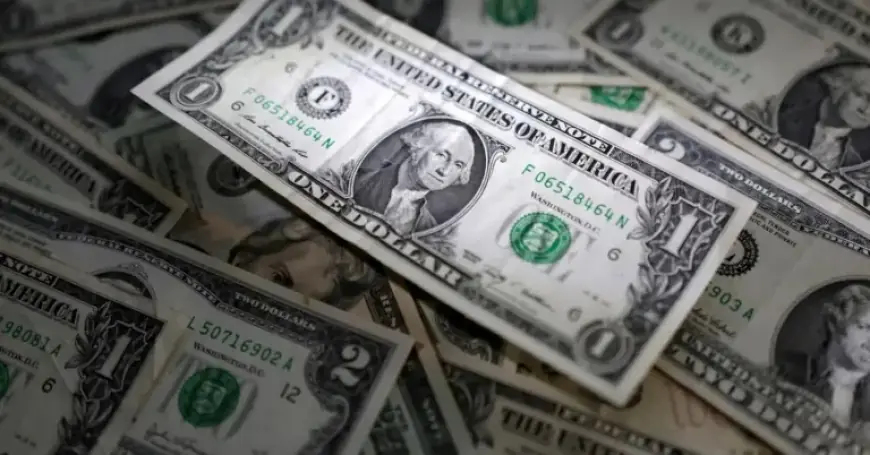
On January 27, U.S. President Donald Trump commented on the current status of the dollar amidst its recent decline. He claimed that the dollar is performing well, even as it hit a four-year low. This response came during a press engagement in Iowa, where he addressed concerns regarding the currency’s value.
Factors Contributing to Dollar Weakness
The dollar’s recent slide can be attributed to several key factors:
- Expectations of continued rate cuts by the Federal Reserve.
- Uncertainty surrounding tariffs and trade policies.
- Concerns over fiscal deficits impacting economic stability.
These factors collectively have eroded investor confidence in the U.S. economy. Following Trump’s remarks, the dollar index, which tracks the currency against six major counterparts, dropped to a session low of 95.566, its weakest since February 2022.
Economic Impacts of a Weaker Dollar
While a falling dollar presents risks, particularly regarding inflation due to increased import costs, there are notable benefits as well.
- U.S. exporters benefit as their products become cheaper for foreign buyers.
- Multinational companies find it advantageous when converting foreign earnings into dollars.
- Foreign debt obligations become easier for countries burdened with dollar-denominated debts.
Trump suggested that he does not actively seek further declines in the dollar’s value, emphasizing a desire for the currency to “seek its own level.” Market analysts have noted that the administration appears to favor a weaker dollar to enhance the trade balance.
Market Reactions
The fluctuations in the dollar have caused significant discussions among market participants. Some analysts believe that Trump’s endorsement of a weaker dollar may embolden sellers in the foreign exchange market.
As the dollar’s value continues to fluctuate, the potential for coordinated currency interventions—particularly involving U.S. and Japanese authorities—remains a topic of speculation. The yen recently saw a substantial rally, underscoring the volatile dynamics at play in the currency markets.
Conclusion
In summary, Trump’s recent comments on the dollar’s strength have contributed to its ongoing decline, reflecting broader economic uncertainties. While a weaker dollar has its advantages for certain sectors, potential inflationary pressures and increased import costs pose significant risks. The interplay between presidential remarks and currency valuation remains a critical watchpoint for investors and policymakers alike.