

























Canadian Dollar Achieves Record Weekly Gain Since May, While Greenback Declines

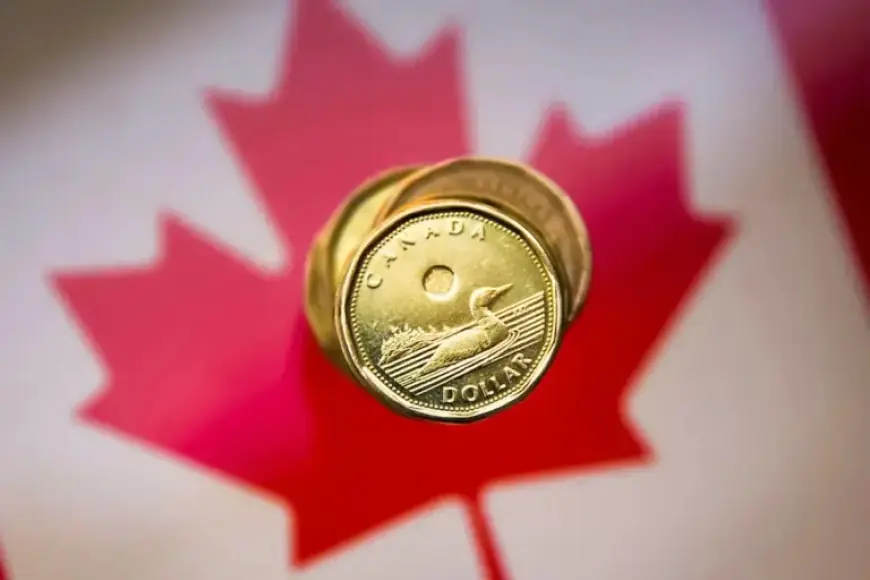
The Canadian dollar significantly strengthened against the U.S. dollar last week, marking its largest weekly gain since May. As geopolitical tensions rise, the greenback has seen broad declines in currency markets. Retail sales data released on Friday indicated a positive trend in Canadian economic performance, further supporting the loonie’s gains.
Weekly Performance of the Canadian Dollar
On Friday, the Canadian dollar was trading at 1.3715 per U.S. dollar, equivalent to 72.91 U.S. cents. This represented a 0.5% increase, with an intraday peak at 1.3705, the highest level since January 2. For the week, the loonie rose 1.5%, its most substantial weekly increase since May.
Factors Influencing Currency Movements
- Investor sentiment has turned negative concerning the U.S. dollar amid rising geopolitical unease.
- Traders are cautious about potential interventions in the yen market.
- Economic data from Canada, such as retail sales, have also played a role in the Canadian dollar’s strength.
Retail Sales and Economic Indicators
In November, Canadian retail sales increased by 1.3% compared to October, showing a year-over-year growth of 3.1%. However, preliminary December figures indicate a slight decline of 0.5% in retail sales.
Outlook on Interest Rates and Economic Growth
The Bank of Canada is expected to maintain its overnight interest rate steady through 2026. Economists anticipate consistent economic growth alongside contained inflation rates.
Impact of Oil Prices
Oil prices, a crucial component of Canada’s exports, rose by 2.7%, reaching $60.98 per barrel. This increase comes amid rising concerns over potential supply disruptions in the Middle East.
Bond Yields and Market Reactions
Canadian bond yields have experienced an upward trend across the curve. Notably, the yield on the 10-year bond rose by 2.9 basis points, reaching 3.440%.
As we look forward, the dynamics surrounding the U.S.-Mexico-Canada Agreement (USMCA), along with ongoing trade negotiations, will continue to influence the Canadian dollar’s performance in global markets.