























Fat Brands Declares Bankruptcy Amidst Heavy Debt Load

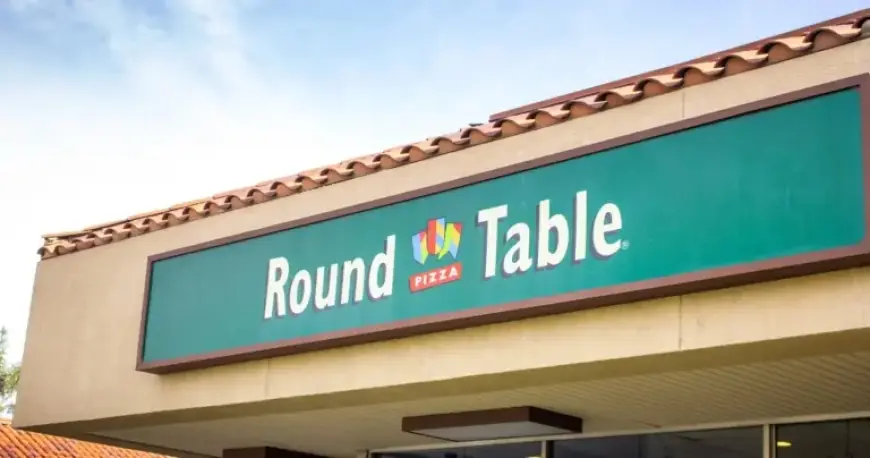
The fast-food conglomerate Fat Brands has declared bankruptcy, overwhelmed by significant debt and unsuccessful negotiations with bondholders. This announcement came on a Monday as the company revealed liabilities totaling $1.45 billion in securitized debt, largely accrued through whole business securitizations (WBS) executed in 2020 and 2021. These financial arrangements were aimed at funding various acquisitions but ultimately hampered the company’s cash flow, leading to operational challenges.
Debt Challenges for Fat Brands
According to court documents, Fat Brands is facing severe cash constraints. It owes a staggering amount of $1.45 billion due to a series of leverage-driven acquisitions, which left insufficient funds for its operational costs, effectively “starving the business.” This filing indicates the firm had insufficient funding from its management fees to cover basic operational expenses, which only accounted for 80% of necessary costs.
- Securitized Debt: $1.45 billion
- Additional Secured Loans: $47.35 million
- Unsecured Debt: $104 million
- Tax Liabilities: $25 million
- Cash Position: $2.1 million in unrestricted cash
Temporary Leadership Changes
To address its financial woes, Fat Brands has engaged John DiDonato as Chief Restructuring Officer and Abhimanyu Gupta as his deputy. They will oversee strategic evaluations aimed at restructuring and stabilizing the company’s financial situation. Additionally, the company has appointed independent directors to analyze and propose alternative paths forward.
Operational Struggles and Financial Mismanagement
The company’s debt problems have been exacerbated by rising costs related to inflation and economic instability, leading to a troubling trend. For eight consecutive quarters, same-store sales across its chains have declined, including four quarters for Twin Peaks, which was spun off last year. Fat Brands also logged substantial legal costs, amounting to $85.5 million, to combat federal tax investigations that ultimately concluded last year.
Negotiations with Bondholders
Currently, the company is seeking mediation to negotiate with bondholders as part of its bankruptcy proceedings. Through court filings, it has become clear that failure to achieve a sustainable debt restructuring could lead to a further deterioration of its financial health. Notably, ongoing challenges have led to significant layoffs and executive compensation adjustments in light of the restructuring efforts.
Industry Context
Fat Brands joins the ranks of other major restaurant chains, including TGI Fridays and Hooters, which have utilized securitization financing and subsequently filed for bankruptcy. While those competitors have successfully emerged with new ownership, Fat Brands faces a uniquely challenging landscape marked by declining sales and ongoing litigation from franchisees and lenders.
CEO Andy Wiederhorn emphasized that the bankruptcy filing is a necessary step toward restructuring its finances and achieving sustainable growth. Amidst the hardships, he stated that the market conditions have proven challenging, yet the company remains committed to overcoming its current debt burdens.