
























AUD/USD Climbs 3.19% for Largest Weekly Gain Since Liberation Day Low

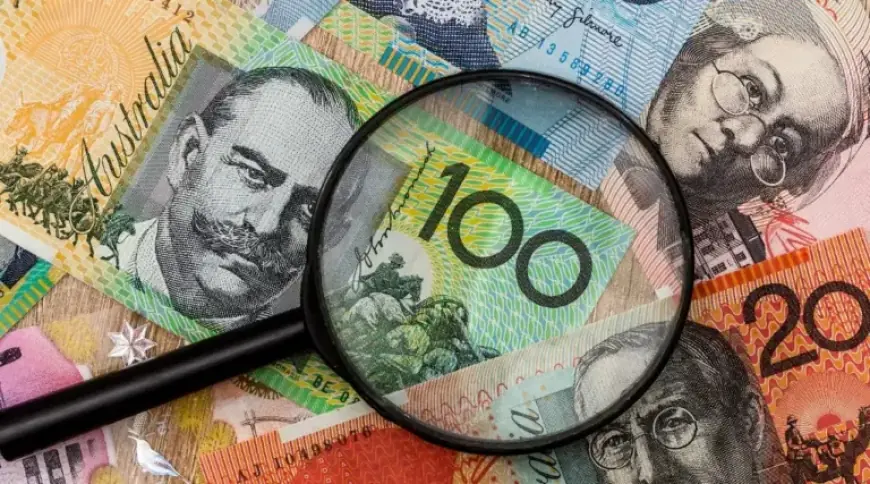
The Australian Dollar (AUD) has demonstrated remarkable strength recently, climbing 3.19% against the US Dollar (USD). This increase marks the largest weekly gain since the notable rally in April 2025, which saw a 4.14% rise from a low near 0.5912. The AUD/USD closed last week at 0.6896, fueled by various economic factors.
Key Drivers Behind the AUD/USD Surge
The robust employment data released for December has played a critical role in this upward movement. This data has raised the market’s perceived likelihood of a rate hike by the Reserve Bank of Australia (RBA) to approximately 60% ahead of the upcoming board meeting.
Influence of Global Sentiment
- Positive global risk sentiment
- Increasing commodity prices
- US dollar pullback amid geopolitical tensions
The recent geopolitical developments concerning Greenland have also spurred foreign investments to hedge against US assets, contributing to AUD’s strength.
Super Funds and Forex Hedging Changes
Domestically, the topic of foreign exchange (FX) hedging has emerged as Australian super funds reevaluate their strategies. The Australian Retirement Trust (ART) is considering increasing its FX hedging ratios, which currently stand at 20% to 30% of total assets. This fund oversees approximately A$353 billion.
- Australia’s total superannuation assets range from A$4.4 trillion to A$4.5 trillion.
- Half of these investments are located overseas, exposing these funds to currency fluctuations.
If more super funds opt for higher FX hedging, this could alter the traditional cushion effect during market downturns, posing risks and potential benefits for the AUD/USD trajectory.
Looking Ahead: CPI Expectations and RBA Implications
As financial analysts turn their attention to the upcoming fourth-quarter Consumer Price Index (CPI) report scheduled for 28 January at 11:30 AM AEDT, expectations are tempered. The market anticipates a headline inflation rise of 0.6%, which would elevate the annual inflation rate to 3.6%.
- Core inflation (trimmed mean) is expected to increase by 0.8%, maintaining an annual rate of 3.2%.
The RBA may face critical decisions based on these numbers. A trimmed mean printed at or above 0.9% could justify a 25 basis point rate hike in the imminent meeting. However, a surprise drop to 0.7% might delay such action.
Conclusion
The near-term outlook for AUD/USD will be closely tied to geopolitical developments and the forthcoming inflation data, which are crucial in shaping monetary policy. The currency pair’s trajectory reflects the complex interplay between domestic economic signals and global market sentiment.