
























Penguin Alarm in 2026: Bird Flu Pressure Builds as a Viral “Lone Penguin” Moment Collides With Real Conservation Risks

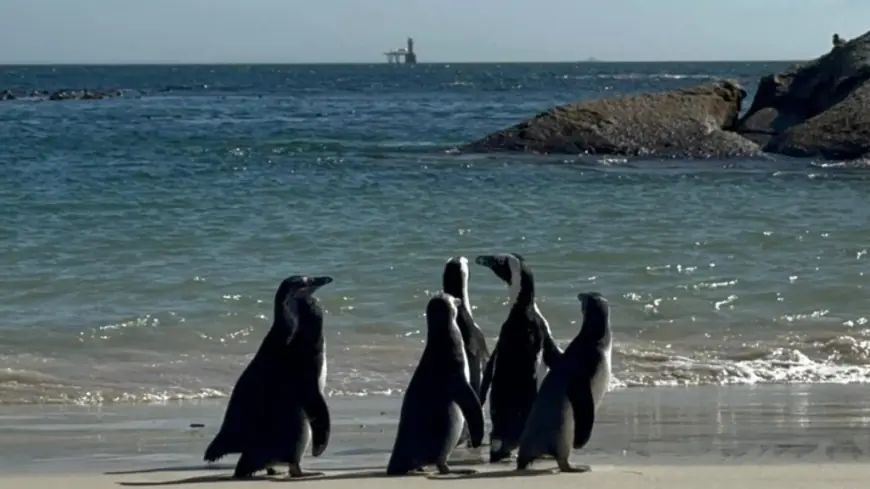
Penguins are having an outsized week in the public imagination, but the most consequential penguin story right now is not a meme. On Tuesday, January 27, 2026, ET, wildlife teams in southern Africa are dealing with renewed concern over highly pathogenic avian influenza reaching vulnerable African penguin colonies, adding another fast-moving threat to a species already squeezed by food scarcity, habitat disruption, and chronic population decline.
At the same time, a widely shared clip of a solitary penguin trekking inland across Antarctic ice has re-entered the internet’s spotlight, turning an ambiguous wildlife moment into a symbol of modern burnout. The contrast is stark: online attention is soaring, while real-world penguin pressures are becoming more complex and harder to manage.
What happened: penguin health concerns sharpen around avian influenza
In southern Africa, confirmed avian influenza infections in African penguins have raised the stakes for rehabilitation centers and conservation programs. The immediate risk is straightforward: outbreaks can cause sudden die-offs, and even limited spread can disrupt breeding colonies and overwhelm rescue capacity.
This is not just a local issue. Highly pathogenic avian influenza has repeatedly shown it can move across regions and species. Penguins that breed in dense colonies are especially exposed when a pathogen reaches a rookery, because close contact is the norm, not the exception.
The practical effect for the public is that beach access, colony viewing rules, and rescue operations can all tighten quickly. For the birds, the effect can be more severe: stress, reduced breeding success, and increased mortality during periods when colonies are already under pressure.
Behind the headline: why penguins are in a tougher bind than a single outbreak
Penguins sit at the intersection of three forces that reinforce each other:
First, food availability. Many penguin species depend on small schooling fish and krill. When prey shifts in location or declines in volume, penguins pay the price quickly because they cannot easily switch diets or forage indefinitely.
Second, climate-linked instability. In Antarctica and the sub-Antarctic, changing sea-ice patterns and ocean conditions can alter where penguins can breed successfully and when they begin nesting. Even small shifts in timing can ripple through chick survival, because chicks depend on predictable access to food and shelter.
Third, disease risk. Avian influenza is not a stand-alone problem. It layers on top of nutrition stress and habitat change. A colony dealing with reduced prey and warmer-water disruptions may be less resilient when disease arrives, and rescue programs then face a double challenge: treating sick birds while also dealing with underweight or weakened animals.
Incentives for stakeholders are not perfectly aligned. Tourism operators want predictable access to colonies. Conservation programs need strict biosecurity and sometimes closures. Governments face budget trade-offs between long-term ecological protection and near-term public pressure. Fisheries policy can become the quiet hinge, because prey availability is a core driver of penguin outcomes.
The viral penguin moment: attention can help, but it also distorts
The lone-penguin clip racing across social feeds is a reminder of how quickly wildlife footage becomes a human metaphor. That attention can be useful if it translates into donations, volunteer interest, and political support for protections. But it can also mislead.
When penguins are framed mainly as emotional symbols, the public can miss the unglamorous reality: policy choices about fisheries, shipping, protected areas, and disease surveillance often matter more than any single dramatic image.
The most productive version of viral attention is practical: funding rehabilitation, improving monitoring, and supporting measures that keep people and animals safely separated during outbreaks.
What we still don’t know
Several missing pieces will determine how serious the current penguin health threat becomes in 2026:
-
How far avian influenza will spread across colonies in southern Africa over the next few weeks
-
Whether outbreaks remain sporadic or accelerate during breeding and molting periods
-
How much hidden transmission is occurring through asymptomatic wild birds
-
Whether food availability in key penguin foraging zones improves or worsens through 2026
The uncertainty is not just scientific. It is logistical. Rescue groups can only treat as many birds as they have staff, fish supply, medical capacity, and safe isolation space.
What happens next: realistic scenarios and triggers
-
Containment holds: infections remain limited and targeted measures reduce contact risk. Trigger: rapid detection, effective isolation, and minimal spread into dense breeding sites.
-
A colony-level shock: localized outbreaks produce noticeable mortality and short-term closures. Trigger: transmission reaches a high-density rookery during a sensitive life stage.
-
A rolling season of disruption: repeated flare-ups strain rescue capacity and reduce breeding success across multiple sites. Trigger: recurring introductions from wild carriers combined with stressed prey conditions.
-
Policy accelerates: governments tighten protections around key habitats and foraging areas. Trigger: public pressure and clearer evidence that combined stressors are driving steep declines.
Why it matters
Penguins are more than charismatic wildlife. They are indicators of ocean health, and their decline often signals broader changes in marine ecosystems that affect fisheries, coastal economies, and biodiversity. The current moment offers a rare alignment: public attention is high, and the conservation need is immediate. If that attention turns into sustained support for disease preparedness, prey protection, and habitat safeguards, 2026 could become a turning point rather than another year of preventable losses.