























Pennsylvania Governor Calls for End to Minneapolis Immigration Crackdown, Urges Noem’s Dismissal

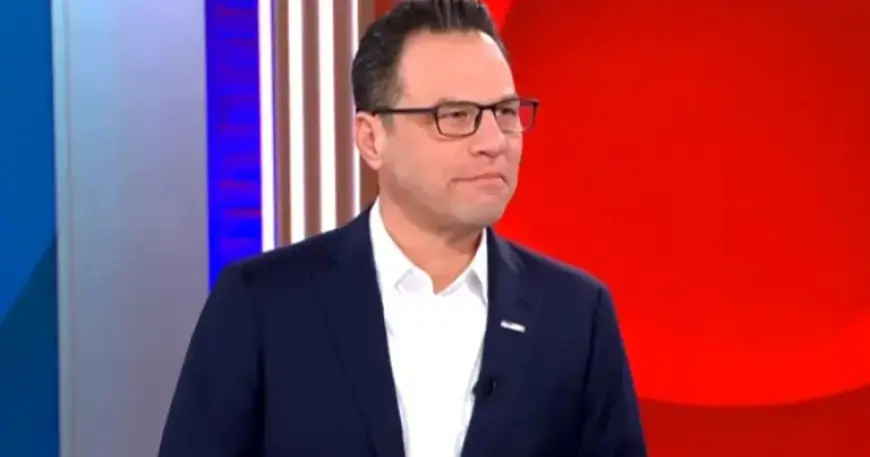
Pennsylvania Governor Josh Shapiro has called for an end to the Trump administration’s immigration enforcement operations in Minnesota. This statement follows a tragic incident in which federal agents fatally shot Alex Pretti, a 37-year-old ICU nurse, during an operation in Minneapolis.
Pennsylvania Governor’s Concerns
In an interview on “CBS Mornings,” Shapiro expressed his discontent with the ongoing operations. He described the mission as broken and insisted it must be terminated. His remarks came just days after the incident on Saturday, which added to the scrutiny faced by the administration.
Calls for Action on Immigration Enforcement
Governor Shapiro criticized Department of Homeland Security Secretary Kristi Noem, urging President Trump to dismiss her. He emphasized her unfitness for the role and argued that if she remains unremoved, Congress should take action against her.
Political Response and Legislative Goals
Shapiro highlighted the importance of Congress opposing funding for immigration enforcement within a crucial DHS funding bill. This bill is part of a six-bill package aimed at averting a partial government shutdown.
- Focus on Funding: Shapiro indicated that halting funding for operations like those in Minnesota is essential.
- Bipartisan Support: He mentioned a bipartisan consensus against the operational tactics currently employed.
- Legislative Action Required: Changes would require House approval. The House is currently in recess.
Implications of Government Shutdown
The deadline for government funding is January 30. Shapiro believes that a shutdown could be avoided if Congress takes the necessary steps to adjust funding allocations. He stated, “All Congress needs to do is pull back on the funding.”
With these developments, Shapiro’s insistence on reform reflects a significant push against the federal tactics in immigration enforcement, urging a reexamination of operations that he argues are detrimental to communities in Minnesota.