
























Thousands Strike in California Kaiser Walkout With No End in Sight

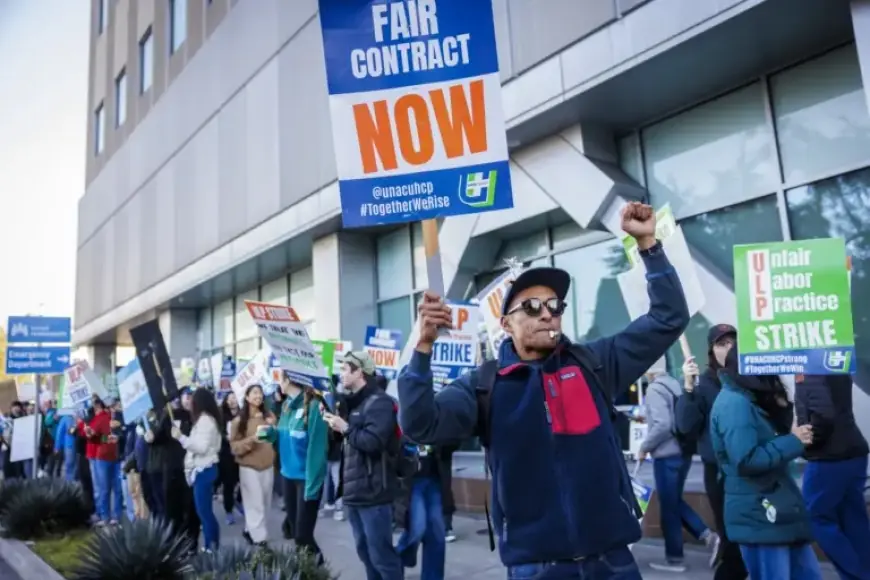
Thousands of healthcare workers at Kaiser Permanente have initiated a significant strike in California. The walkout comes amid ongoing contract negotiations and a contentious dispute over wage increases.
Strike Overview
For several months, the United Nurses Associations of California/Union of Healthcare Professionals (UNAC/UHCP) has demanded a 25% pay raise over four years. However, Kaiser management has proposed a 21.5% wage increase, claiming it to be the most competitive compensation package in the company’s bargaining history.
Union’s Position
Brian Mason, the lead negotiator for UNAC/UHCP, argues that the current strike is driven by the need for better patient care and staffing levels. He emphasized the urgency of negotiations, noting that pending discussions involve cutting retirement and health benefits for new union members.
- Over 15,000 nurses in New York participated in a recent strike.
- Healthcare workers across multiple states, including Michigan, have threatened walkouts.
Kaiser Permanente’s Background
Kaiser Permanente, founded in 1945 in Oakland, employs over 180,000 staff across nine states and the District of Columbia. The organization operates as a nonprofit health plan and reinvests its revenue into healthcare services, focusing on preventive medicine.
Financial Performance
The latest financial results reveal a notable recovery for Kaiser. After a net loss of approximately $4.5 billion in 2022, the organization reported nearly $13 billion in revenue for 2024. They also posted an impressive $8 billion for the first three quarters of 2025.
Legal and Ethical Concerns
Recently, Kaiser agreed to pay $556 million to settle claims of Medicare fraud. Allegations suggested the company pressured doctors in California and Colorado to manipulate medical records to boost reimbursements, highlighting critical ethical issues within the organization’s practices.
Impact on Patient Care
Sanne Jacobsen, a nurse anesthetist, raised concerns about overcrowded schedules and inadequate staffing levels. She pointed out that these conditions lead to delayed appointments and surgeries, compounding issues for patient care.
- Health care staffing ratios have become a major concern.
- Executive pay in the healthcare sector has risen significantly, straining labor relations.
The ongoing strike serves as a reflection of the broader challenges in the healthcare system, including issues of adequate staffing, fair wages, and ethical treatment of patients and staff alike. The resolution of this strike hinges on effective negotiations between Kaiser management and union representatives. As of now, the future remains uncertain, with essential dialogues yet to take place.