
























Guy Fieri’s New Look Explained: Why He Suddenly Went “Unrecognizable” and What It’s For

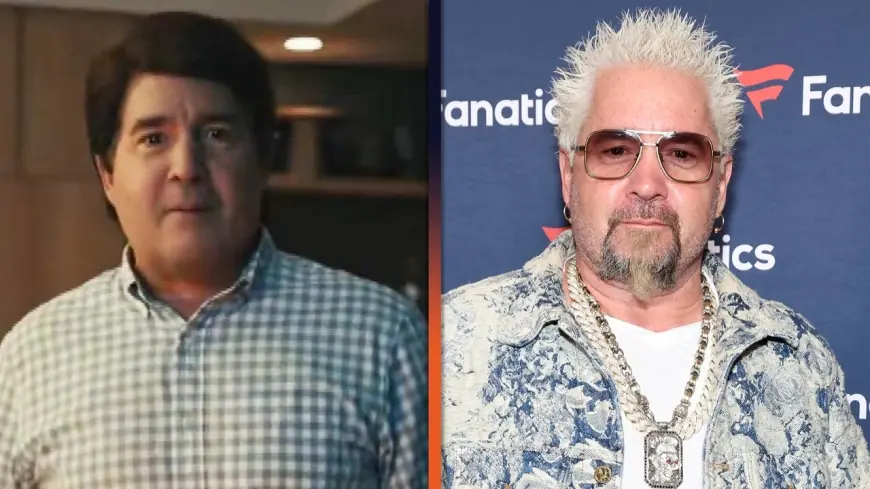
The “Guy Fieri new look” making the rounds isn’t a permanent reinvention so much as a high-concept transformation tied to a Super Bowl campaign. The whole point is whiplash: the most instantly recognizable hair-and-goatee combo in food TV turned into a clean-cut, buttoned-up “just some guy” on purpose.
For fans, it’s jarring because his appearance isn’t just a style choice—it’s part of the character people feel they’ve known for years. And that’s exactly why the makeover is working: it sparks double takes, debate, and curiosity before the ad even officially lands.
What changed in Guy Fieri’s new look—and why it hit so hard
The makeover strips away the visual cues most people use to identify him at a glance. The spiky, bleached hair is replaced with neatly parted darker hair; the goatee disappears; the loud, flame-adjacent wardrobe energy gets swapped for a more conservative, everyday outfit—think checkered shirt and khakis.
It reads like a “makeunder,” and that’s where the internet reaction comes from. Plenty of celebrities change hairstyles; fewer erase the signature features that function like a logo. Fieri’s look has long done the same job as a catchphrase: you can spot it instantly, even mid-scroll, even with the sound off.
What to watch next: whether he keeps any elements of the toned-down style in real life after the campaign moment passes.
The Super Bowl angle: the “JustaGuy” character and the campaign strategy
The new look is tied to a Super Bowl commercial for a home-appliance brand, with Fieri playing a character built around the joke that he’s no longer “Guy” but simply “a guy.” It’s a clever bit of brand math: take someone famous for being larger-than-life, then compress him into the most normal silhouette possible.
That contrast does two things at once. First, it refreshes a celebrity persona without actually replacing it—because the audience knows the original version will likely return. Second, it turns the makeover itself into the teaser, letting conversation do the marketing work before a single game-day slot airs.
A quick timeline snapshot:
-
Late last week: the birthday-era reveal drops online and starts circulating fast
-
The following days: chatter spikes over whether the look is “real” or digitally altered
-
February 8, 2026: the full Super Bowl spot is expected to run during Super Bowl LX
What to watch next: how much of the final commercial leans on comedy versus “is that really him?” misdirection.
The AI confusion: what’s real, what’s post-production, and what’s still fuzzy
A big part of the buzz came from people suspecting the video was AI-generated—less because the concept is unbelievable, more because the result looked almost too perfectly “not Guy.” The campaign has pushed back on the idea that generative AI created the transformation, framing it instead as a mix of traditional makeover work (like shaving and hair pieces) plus high-end post-production and visual effects.
In plain terms: it’s not “he woke up like this,” and it’s not “a deepfake replaced him,” either. It’s a designed illusion built to look uncanny enough that viewers argue about it.
What to watch next: whether the brand releases more behind-the-scenes detail (or additional teasers) to keep the conversation going without spoiling the punchline.
Why this works for Guy Fieri’s brand even if it’s temporary
This kind of stunt is low-risk for someone whose core identity is already bold and cartoon-bright. If he went quiet-luxury full-time, it could dilute what makes him instantly recognizable. But as a one-off character—especially around the Super Bowl, when ads are expected to be a little absurd—it’s a safe flex.
It also highlights a modern truth about celebrity in 2026: people don’t just watch commercials; they watch the internet react to commercials. The “Guy Fieri new look” isn’t only a makeover—it’s a pregame event, a conversation starter, and a reminder that in the attention economy, the sharpest move is often to surprise people using the very thing they thought they knew best.
What to watch next: whether other big-name personalities follow the same playbook—temporary “identity swaps” designed to look like a crisis, then reveal themselves as marketing on game week.