

























Oldest Wooden Tools Unearthed in Greece Rewrite History

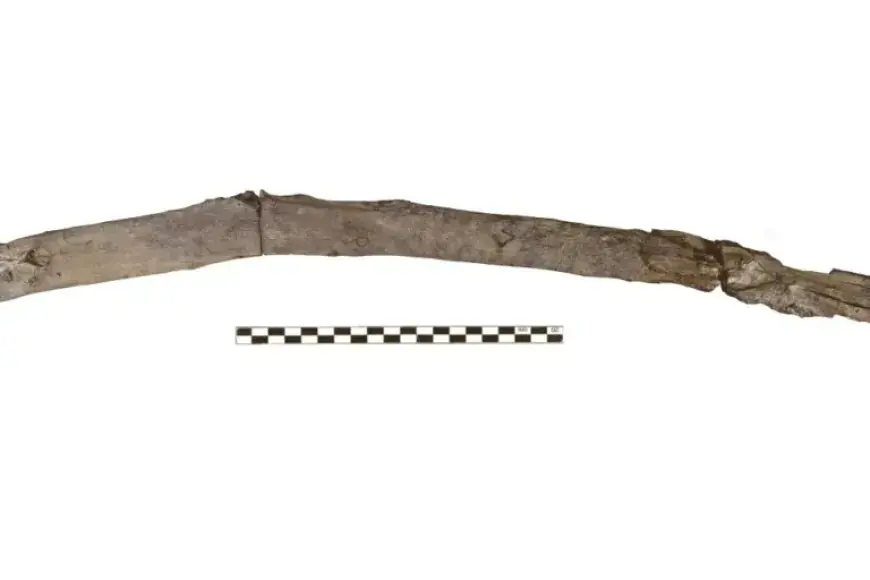
Recent discoveries in Greece have unveiled significant archaeological artifacts that challenge our understanding of early human technology. Researchers have unearthed the oldest wooden tools, dating back approximately 430,000 years, along the shores of a lake in the Megalopolis basin.
Details of the Discoveries
Two primary artifacts have emerged from this excavation:
- A slender stick measuring about 2.5 feet (80 centimeters) in length, likely used for digging.
- A smaller piece of willow or poplar wood, possibly employed to shape stone tools.
These discoveries offer a rare perspective on the tools utilized by ancient humans. Wooden tools are notably challenging to identify due to their rapid decomposition, making these finds particularly remarkable.
Preservation Conditions
The tools were likely preserved due to a unique combination of factors. The wet environment and rapid burial under sediment contributed to their longevity. Such conditions are crucial for wood preservation, as these materials typically survive only in specific ecosystems, like underwater or in icy locations.
Historical Context and Significance
A site in the Megalopolis basin has previously yielded stone tools and cut-marked elephant bones. While the exact dating of the wooden tools was not conducted directly, their age aligns with the overall timeline of the archaeological site.
According to Annemieke Milks from the University of Reading, engaging with these artifacts is incredibly exciting. However, the identity of their users remains uncertain; they could belong to Neanderthals or early human ancestors.
Future Discoveries
Archaeologist Jarod Hutson, affiliated with the Smithsonian National Museum of Natural History, believes the area may still harbor other undiscovered artifacts. He noted the subtle appearance of the newly found tools complicates our understanding of their specific purposes.
Comparative Insights
Other ancient wooden tools have also been documented, including:
- A set of spears from Germany.
- Digging sticks from China dated to 300,000 years ago.
Katerina Harvati from the University of Tübingen highlighted that this new discovery provides a valuable glimpse into the diverse toolkit of early humans, revealing lesser-known aspects of their technological prowess.
The findings underscore the importance of archaeological exploration in enhancing our understanding of early human history and their survival strategies.