






















Guy Fieri New Look: The Clean-Cut Makeover That Left Fans Doing a Double-Take Ahead of the Super Bowl

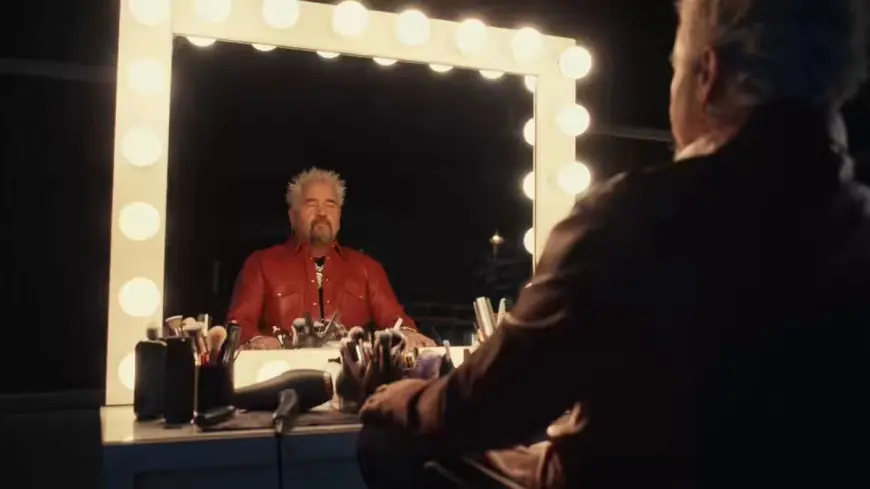
Guy Fieri’s new look is suddenly the story: the longtime TV food personality appeared online with a dramatically toned-down style—clean-shaven, with neatly parted darker hair and a more “everyday” wardrobe—prompting a wave of confusion, jokes, and even suspicion that the clip wasn’t real. Over the past day, Fieri has clarified the makeover is tied to a Super Bowl commercial campaign for appliance brand Bosch, turning what seemed like a personal reinvention into a calculated, high-visibility advertising play.
What changed in the Guy Fieri new look
For years, Fieri’s visual signature has been part of the product: loud hair, loud energy, loud presence. The new version flips that. The makeover leans “office neutral” rather than “rock-and-roll,” swapping the recognizable hair-and-goatee combo for a clean-cut face and conservative styling designed to make him look like a different person entirely.
That shock factor wasn’t accidental. The campaign reportedly involves a deliberate transformation—down to time-intensive hair work—built to sell the idea that viewers might not immediately recognize him.
What’s new and why now
The key update isn’t just the look itself—it’s the explanation: this makeover is a character for a Super Bowl ad, expected to air Sunday, February 8, 2026 (ET).
Timing matters. Super Bowl advertising is its own arena, where brands buy attention as much as they buy airtime. A celebrity “identity swap” is a proven way to earn extra conversation before the game, during the game, and after—stretching a single ad into a multi-day story.
Behind the headline: incentives, stakeholders, and the real business logic
This story looks like a style change, but it’s really about brand economics.
Incentives
-
For Bosch: Stand out in the noisiest ad environment of the year. An “unrecognizable” celebrity is a built-in hook that invites replays and debate.
-
For Fieri: Protect the core brand by making the shift clearly “for a role,” not a permanent pivot. That keeps the signature persona intact while still cashing in on the novelty.
-
For everyone involved: Earn “free attention” in the form of online chatter—effectively extending the campaign without buying more ad slots.
Stakeholders
-
Fans: They’re the distribution engine. Their confusion and memes are what turn a single clip into a broader narrative.
-
Advertisers and partners: They benefit when a celebrity remains instantly marketable but flexible enough to play against type.
-
The broader entertainment ecosystem: This is another reminder that “image” is a working asset, not just personal expression.
Second-order effect: the AI trust problem
A notable subplot is that some viewers questioned whether the video was manipulated. That reaction is the real tell of 2026 media culture: people increasingly assume “fake” before “weird but real,” especially when the change is extreme. The campaign—and the response to it—sits right on that fault line between practical makeover, visual effects, and public skepticism.
What we still don’t know
Even with the commercial explanation, a few pieces remain unclear:
-
How long the clean-cut persona will be used in promotional appearances leading into the game (and whether it continues afterward).
-
How “temporary” the change really is for Fieri personally—especially around facial hair and styling choices that can linger beyond a shoot.
-
How the campaign addresses authenticity concerns once the full ad is out, given the initial confusion around manipulation.
What happens next: realistic scenarios to watch
-
One-and-done revert (most likely): After February 8, 2026 (ET), Fieri returns to his classic look and the makeover becomes a Super Bowl footnote. Trigger: the ad is clearly framed as a character bit.
-
Short promotional runway: He keeps popping up as the “alternate” version in teasers and related spots through game day. Trigger: strong engagement and high recall.
-
Hybrid look emerges: He blends elements—keeping things slightly toned down while retaining signature cues. Trigger: positive fan response outweighs backlash.
-
Authenticity messaging becomes part of the campaign: The rollout leans into “this is real” to counter the reflexive AI suspicion. Trigger: continued public debate about what’s edited vs. performed.
In the end, the “Guy Fieri new look” isn’t really about a makeover—it’s about how celebrity identity gets remixed as advertising currency, and how audiences now process visual surprise through a lens of skepticism. The Super Bowl spot will reveal whether the gamble lands as clever misdirection or simply a momentary stunt that people move past as soon as the next big thing hits their feeds.