























Trump Boosts Tariffs on South Korean Imports

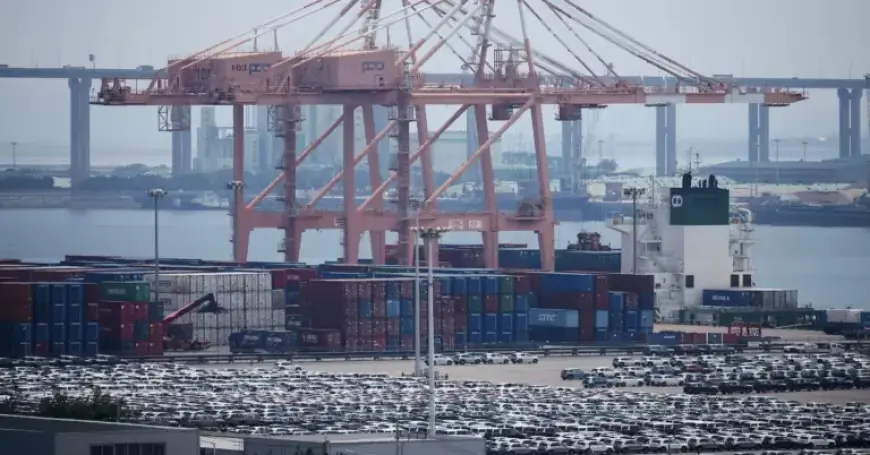
President Donald Trump has announced a significant increase in tariffs on imports from South Korea, raising them to 25%. This decision, which impacts various sectors including autos, lumber, and pharmaceuticals, stems from his dissatisfaction with South Korea’s legislative actions regarding the trade deal established last year.
Details of the Tariff Increase
Trump’s declaration was made via social media, indicating that the South Korean legislature had not met the expectations set out in the trade agreement. He stated, “Because the Korean Legislature hasn’t enacted our Historic Trade Agreement, I am hereby increasing South Korean TARIFFS… from 15% to 25%.”
Implementation and Implications
The timeline for this tariff increase remains uncertain, as both South Korea’s presidential office and the U.S. Trade Representative have not yet commented on the matter. Previously, South Korea had worked diligently to implement a deal that reduced U.S. tariffs on its exports to 15%. However, South Korea’s finance minister indicated that a planned $350 billion investment in U.S. sectors might be delayed until after mid-2026 due to currency instability.
- Tariff Impact Sectors:
- Autos
- Lumber
- Pharmaceuticals
- Investment Plans: $350 billion investment in strategic U.S. sectors.
- Phased Payments: $200 billion in cash, capped at $20 billion annually.
Market Response
Economists have expressed concern regarding Trump’s tariff strategy, viewing it as a potential catalyst for market volatility. Josh Lipsky from the Atlantic Council noted that Trump’s impatience with South Korea’s slow legislative process reinforces the unpredictable nature of tariffs moving forward.
The ongoing situation illustrates the complexities of U.S.-South Korea trade relations and the economic implications of tariff changes. As negotiations continue, both countries will need to navigate the challenges posed by currency fluctuations and trade commitments.