Dallas Weather and Dallas Road Conditions: Is It Safe to Drive Right Now in Dallas?

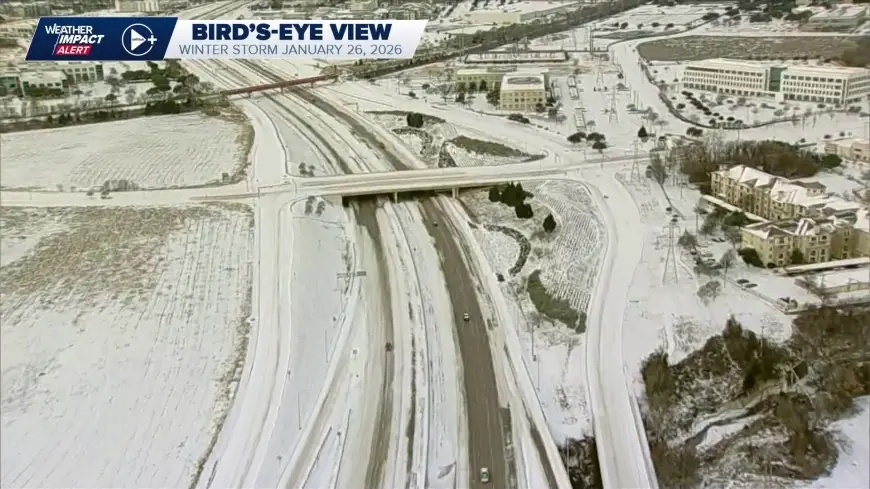
Dallas is sitting right on the edge of freezing today, and that’s the tricky part: even when skies look calm, road surfaces can stay slick in patches—especially on bridges, overpasses, shaded frontage roads, and quieter side streets. The newest concern isn’t fresh snow falling—it’s what happens when melted slush refreezes and turns into hard-to-see black ice during the coldest hours.
Weather Dallas Today: Cold, Bright Skies, and a Refreeze Risk
As of Tuesday, January 27 (ET), Dallas temperatures are hovering near freezing with mostly sunny conditions. That sunshine helps, but it doesn’t instantly “fix” roads—particularly where sunlight doesn’t reach the pavement. An extreme cold alert has been in effect into Tuesday morning ET, with wind chills below zero in parts of North Texas. That kind of cold slows melting, stiffens tires, reduces battery performance, and makes any remaining moisture on pavement more likely to refreeze.
Looking ahead into Wednesday morning ET, there’s also a visibility-and-traction wildcard: freezing fog is possible. Freezing fog can leave a thin glaze on elevated surfaces and ramps while also lowering visibility—an unpleasant combo for early commutes.
Dallas Road Conditions Near Me: Why the Roads Can Look Fine Until They’re Not
When people ask “how are the roads in Dallas,” the honest answer is: it depends on the road type, the time of day, and whether the pavement was treated or warmed by sun and traffic.
Here’s why conditions can change block by block:
-
Main highways improve first because traffic and treatment help break up ice and slush.
-
Side streets lag behind because they see less traffic, get less sun, and often have more lingering packed ice.
-
Bridges and overpasses refreeze first because cold air circulates above and below the deck.
-
Shaded areas stay slick long after sunny stretches look dry.
-
Intersection “polish” happens as cars compact slush into a smooth, slippery layer.
This is also why crash risk can spike at predictable pinch points: elevated ramps, curved connectors, and the first overpass after a dry-looking stretch.
What Is Sleet, and Why Does It Matter for Driving Conditions Today?
Sleet is refrozen precipitation—tiny ice pellets that form when rain drops pass through a layer of freezing air before hitting the ground. It often bounces when it lands and can accumulate like gritty pellets.
For drivers, sleet matters because it can:
-
Compact into a slick layer when vehicles roll over it
-
Hide under a dusting of snow
-
Turn into glare ice after partial melting and refreezing
It’s different from freezing rain, which tends to create a smooth ice glaze on contact. Both are bad for traction, but sleet frequently creates deceptively “driveable-looking” roads that still have poor grip.
Are the Roads Safe to Drive On in Dallas Right Now?
Safety is a moving target in cold weather. If you must drive today in Dallas, plan around the idea that some routes are fine and some are dangerous—sometimes within the same mile.
A practical way to decide:
More likely to be OK (still cautious):
-
It’s daylight and sunny
-
Your route is mostly major roads
-
Your tires have good tread
-
You can drive slowly and avoid sudden braking
More likely to be risky:
-
It’s early morning or after sunset (prime refreeze window)
-
Your route uses bridges, ramps, or elevated connectors
-
You’re starting on untreated neighborhood streets
-
You see shiny patches, lingering slush, or wet spots near curbs
If you’re unsure, the safest assumption in near-freezing Dallas weather is that any wet-looking patch could be ice, especially on bridges.
Behind the Headline: What’s Driving the Risk Now
This is a classic “post-storm hazard” phase. The incentive structure pushes people back onto the roads—work, school decisions, deliveries, and normal routines—right when conditions can be most deceptive.
Key stakeholders and pressure points:
-
Commuters and families balancing routine versus risk
-
Freight and delivery drivers facing tight schedules and higher rollover risk on ramps
-
Cities and road crews prioritizing major corridors first
-
Businesses weighing closures against lost revenue
-
Insurers and tow operators who see claims spike during refreeze cycles
Second-order effects show up quickly: fender-benders clog major routes, minor crashes become major backups, and delayed deliveries ripple into store inventory and staffing.
What Happens Next: 5 Realistic Scenarios to Watch
-
Midday improvement if temperatures rise above freezing for several hours and sun stays strong.
-
Overnight refreeze if temperatures drop back below freezing—expect black ice at dawn.
-
Freezing fog episode Wednesday morning ET, lowering visibility and adding slick spots on elevated roads.
-
Patchwork travel conditions where highways are mostly fine but ramps/side streets remain hazardous.
-
Another slow recovery day if daytime temperatures remain near freezing, limiting melt.
If You Drive: A Quick Safety Checklist
-
Slow down early—don’t “test” traction at speed
-
Double following distance (more if you’re on bridges)
-
Avoid hard braking; brake gently and earlier than normal
-
Take ramps and curves well under the posted speed
-
If you start sliding, ease off the gas and steer smoothly—no sudden inputs
Dallas driving conditions today may look better than they feel. If your trip isn’t essential, the lowest-risk choice in near-freezing weather is to delay until midday warmth—and to avoid early-morning and nighttime refreeze windows whenever possible.