
























Gold Prices Surge Past $5,000: Exploring Future Market Potential

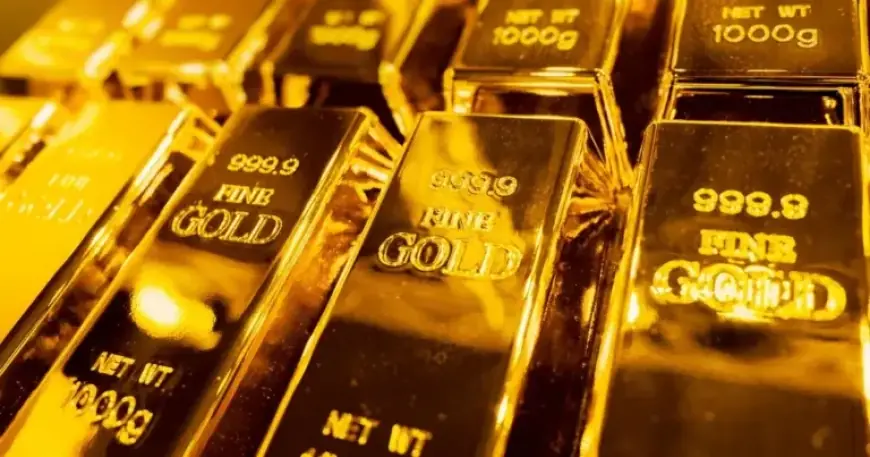
Gold prices have recently surpassed $5,000 per ounce, reaching an unprecedented level fueled by rising geopolitical tensions and economic concerns in the U.S. On Monday, trading saw gold peak at over $5,100, while other precious metals like silver and platinum also hit record highs, exceeding $100 and $2,800, respectively. This surge marks a significant increase from last year, when gold prices hovered around $2,660.
Driving Factors Behind the Gold Surge
The dramatic rise in gold prices can be attributed to several key events. Over the weekend, President Trump announced plans for a 100% import tax on Canada if the nation engages in a trade agreement with China. This announcement followed earlier threats from Trump to impose tariffs on eight European nations due to their opposition to his efforts regarding Greenland.
Despite these threats, it was reported that President Trump had reached an agreement on the aspects of a deal with NATO’s secretary-general concerning Greenland. Such unpredictable political maneuvers have stirred volatility in financial markets, prompting investors to seek refuge in gold and other precious metals.
Market Response to Uncertainty
- Gold is traditionally viewed as a safe-haven asset during times of instability.
- Nigel Green, the CEO of deVere Group, noted that current policies introduce unpredictability, pushing capital toward hard assets.
- Concerns regarding government borrowing and rising debt levels have added to the urgency to invest in gold.
In May, Moody’s Ratings downgraded the U.S. credit rating from Aaa to Aa1, citing an increase in government debt as a primary concern. This change signifies a growing apprehension regarding fiscal responsibility in the U.S.
Inflation Concerns and the Dollar’s Weakness
Economists warn that escalating government debt and spending could lead to inflation. Green remarked that gold is reclaiming its status as a store of value, particularly when trust in traditional debt markets wavers.
Additionally, the weakening of the U.S. dollar has intensified the attractiveness of gold investments. Susannah Streeter, chief investment strategist at Wealth Club, explained that fears surrounding tariffs and high government expenditure have negatively impacted the dollar. Because gold is priced in dollars, a stronger dollar typically makes gold more expensive in other currencies, which can lead to reduced demand.
Future Projections for Gold Prices
Several Wall Street analysts predict that the upward trend in gold prices may persist. Analysts from Société Générale are forecasting that gold could reach as high as $6,000 per ounce by the end of the year.
As geopolitical tensions continue to influence financial markets and economic indicators grow increasingly concerning, gold remains a key asset for investors aiming to safeguard their wealth.