Trump’s Gold Rush: America Keeps the World on Edge

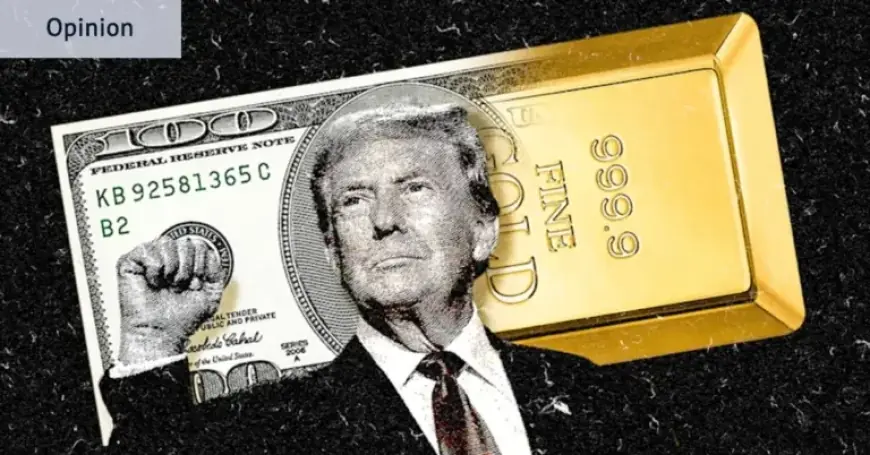
The gold market is witnessing unprecedented growth, with prices exceeding $5,000 per ounce. This surge follows Donald Trump’s return to the presidency, marking an 80% increase in gold prices since his inauguration. The rise in gold value correlates with a significant decline in the US dollar, which has depreciated by over 10% during Trump’s second term, suggesting a complex relationship between these financial metrics.
Market Dynamics: Gold vs. Dollar
The relationship between gold and the US dollar is inversely correlated. When the dollar weakens, gold prices generally rise. This phenomenon has occurred as gold becomes cheaper for investors outside the US. Additionally, recent monetary policies, including three rate cuts by the Federal Reserve, have minimized the opportunity costs associated with investing in gold, which does not generate income but entails costs for storage and security.
Historical Context of Gold’s Price Surge
The surge in gold prices can be traced back to events leading up to Trump’s presidency. Notably, the freezing of over $300 billion in Russian foreign reserves in 2022 highlighted the vulnerabilities of global financial systems. However, the acceleration of gold prices has distinctly increased since Trump re-entered the White House, with gold prices rising by 15.6% this year alone, following a remarkable 64% increase last year.
Underlying Influences on Gold Prices
- US Government Debt: The national debt has ballooned, surpassing $38 trillion, prompting fears of currency debasement.
- Interest Rates: Low short-term interest rates have made gold more appealing as an investment alternative.
- Geopolitical Risks: Tariffs and trade wars initiated by Trump have increased uncertainties globally, leading to a surge in gold investments.
The chaotic nature of Trump’s administration has further fueled uncertainties for foreign economies, making gold an attractive alternative. His controversial policies, such as aggressive tariffs and unpredictable foreign relations, have led to decreased trust in US financial assets, prompting countries to reevaluate their currencies and reserves.
Changing Global Perspectives on the US Dollar
As foreign nations reassess their holdings in US Treasuries, the trend of decreasing reliance on the dollar has emerged. For instance, China’s holdings of US Treasuries have significantly dropped from $1.3 trillion to approximately $682 billion in recent years. This indicates a strategic pivot towards gold and other reserve assets in light of geopolitical tensions.
Implications for the US Financial System
With ongoing concerns about US governmental stability and rising debt, the country’s financial standing may face significant challenges. The historical assumption of the US dollar as a stable reserve currency is increasingly being questioned. Should the loss of global trust in US assets continue, it could have profound implications for American borrowers and the cost of government and corporate financing.
As gold continues to attract attention as a refuge for investors, the dynamics of the global financial landscape are likely to shift. In the midst of geopolitical uncertainties and a volatile economic environment, Trump’s presidency is reshaping the perceptions of gold’s value in the international arena.