Mack Hollins Returns for Patriots as Harold Landry Sits: Broncos Roster Shifts Set the Tone for AFC Championship Sunday

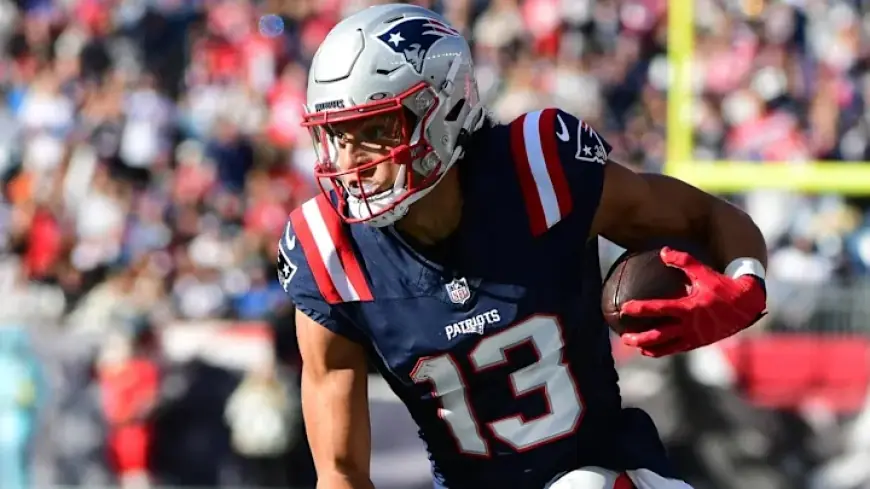
Mack Hollins is back in uniform at the exact moment the New England Patriots needed a stabilizer for their wide receiver room, while linebacker Harold Landry’s absence forces a defensive reshuffle against a Denver Broncos team juggling its own roster stress. The Patriots–Broncos matchup isn’t just about stars; it’s about which team can absorb personnel hits without losing its identity.
Hollins’ activation and Landry’s inactive tag have quickly become the two clearest signals of how New England plans to play this game: lean into veteran reliability on offense, then manufacture pressure and edge-setting on defense by committee.
Mack Hollins, Hollins Patriots buzz, and what his return changes for New England
Mack Hollins returned after missing time with an abdominal injury suffered on December 21. Before going down, he had been one of the Patriots’ steadiest chain-movers and a key downfield option, producing 46 catches for 550 yards and two touchdowns. That usage matters because it tells you what the coaching staff trusts: Hollins isn’t just depth, he’s structure.
His return also reshapes the Patriots players rotation at receiver. The downstream effect is immediate: fewer emergency snaps for fringe options, more defined roles for the top targets, and more freedom to call longer-developing concepts without forcing the quarterback to live on quick throws.
And then there’s the moment that turned into the day’s viral clip: Hollins arrived barefoot and leaned into a “The Warriors” reference, clinking bottles while chanting “Warriors, come out to play.” It’s easy to dismiss as theater, but it doubles as messaging—an “I’m healthy, I’m here, and I’m not tentative” statement aimed as much at his own sideline as the opponent.
Harold Landry inactive: why the Patriots defense has to win differently
Harold Landry being inactive with a knee issue is not a minor scratch. When a defense loses a primary edge presence, the replacement isn’t one player—it’s a plan.
Expect New England to compensate through:
-
Rotations on the edge to keep rushers fresh
-
More simulated pressures (show blitz, rush four from unexpected angles)
-
Greater emphasis on compressing the pocket from the interior
-
Tighter coverage timing to force earlier throws
This isn’t just a pass-rush concern; it’s also about setting the edge in the run game and keeping Denver from turning short gains into back-breaking second-and-manageable sequences.
Broncos roster questions: wide receiver depth and a quarterback pivot
On the Broncos roster side, the biggest on-field shift is at quarterback: Bo Nix is out with a broken ankle, and Jarrett Stidham is set to start. That changes how Denver likely approaches the Patriots’ pressure looks. A backup quarterback usually means:
-
Faster, simpler reads
-
More play-action and defined throws
-
More screens and quick game to blunt the rush
-
A heavier reliance on the run game to stay on schedule
Denver also entered the game with key inactive decisions at wide receiver, including Troy Franklin sidelined with a hamstring issue. Losing a major secondary target narrows the route tree and makes defensive disguises more punishing—because there are fewer “easy” throws to spread the field.
There is one stabilizer: center Luke Wattenberg returned after missing time with a shoulder issue, a meaningful boost for protection calls and interior cohesion. In a game where New England’s front is trying to manufacture pressure without Landry, that center return is a quiet counterpunch.
Behind the headline: what this game is really testing
This is a stress test of roster-building philosophy.
For New England, getting Hollins back isn’t just about one receiver—it’s about whether their offensive identity is robust enough to survive injuries and still function with timing and spacing. Veteran receivers who block, align correctly, and win situational reps become disproportionately valuable in January.
For Denver, losing a starting quarterback and still reaching this stage is a referendum on infrastructure: coaching, offensive line communication, and whether the system can keep a backup efficient. The deeper the playoffs go, the less the sport looks like “stars vs stars” and the more it looks like “process vs chaos.”
Stakeholders with the most exposure:
-
Patriots receivers and offensive staff: can they punish Denver’s inactive receiver depth and keep tempo steady?
-
Patriots edge rotation: can they replace Landry’s impact with disciplined rush lanes and enough pressure to disrupt timing?
-
Broncos offensive line and Stidham: can they avoid negative plays that flip field position and momentum?
What we still don’t know
Some key pieces remain uncertain until the first quarter reveals the real game plan:
-
How aggressively the Patriots will blitz without Landry
-
Whether Hollins is on a true full snap count or managed situationally
-
How Denver balances run-pass without Nix’s mobility and comfort in the system
-
Which team wins the “hidden yards” battle (special teams and field position) once the rosters thin out
What happens next: 5 realistic scenarios to watch
-
Hollins becomes the third-down hinge
Trigger: early completions on intermediate routes.
Effect: Patriots sustain drives and keep Denver’s defense on the field. -
Patriots pressure-by-design works
Trigger: simulated pressures force protection confusion.
Effect: Stidham speeds up, throws shorten, and mistakes creep in. -
Broncos protect the backup with the run game
Trigger: early success on first down.
Effect: play-action opens, Patriots pass rush loses leverage. -
One missing receiver swings spacing
Trigger: Denver struggles to win outside.
Effect: Patriots crowd the middle and dictate throws. -
The game turns into field-position chess
Trigger: both offenses start cautiously.
Effect: a single turnover or long return becomes the separator.
Why it matters
For “Patriots players” talk, this is where reputations get written: role players become postseason names, and roster decisions look brilliant or fragile in hindsight. For the Broncos roster, it’s a referendum on whether depth and system can survive a quarterback loss at the most unforgiving moment.
And for Mack Hollins and Harold Landry, it’s the cleanest snapshot of playoff reality: availability isn’t a footnote—it’s the headline.