Discussing Groundbreaking Films: How to Approach Unique Cinematic Experiences

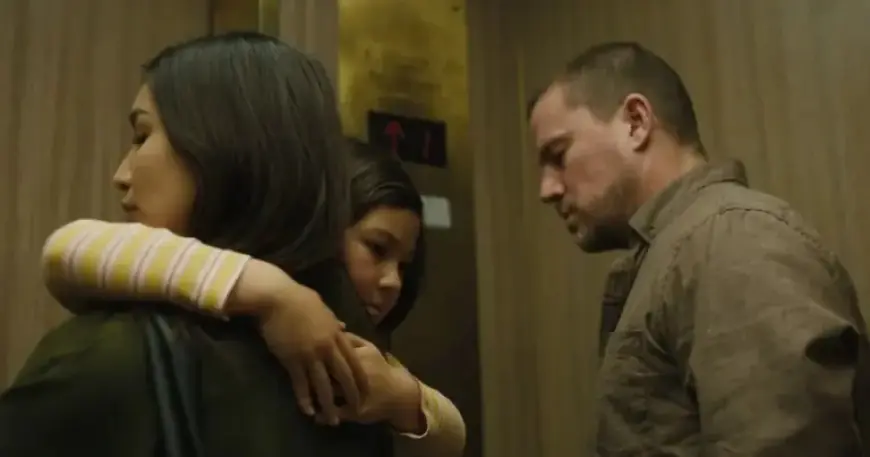
Filmmaking has the unique power to evoke emotions and provoke thoughts through innovative storytelling. One film that exemplifies this is “Josephine,” directed by Beth de Araújo. This poignant narrative explores the complexity of childhood trauma through the eyes of an eight-year-old girl who witnesses a horrific crime.
Plot Overview of “Josephine”
“Josephine” follows the life of a young girl named Jo, portrayed by Mason Reeves. During a morning soccer practice in Golden Gate Park, she witnesses a violent attack on a jogger. This traumatic event shapes her reality and the film delves deeply into her psyche.
Character Dynamics
The relationship between Jo and her father Damien, played by Channing Tatum, is central to the film. Damien embodies a staunch belief in physical resilience, often pushing Jo to confront her fears. Despite his good intentions, his tactics sometimes reflect a misunderstanding of her emotional needs.
- Jo (Mason Reeves): An impressionable child coping with trauma.
- Damien (Channing Tatum): A physically focused father grappling with his own past abuse.
- Claire (Gemma Chan): Jo’s mother, a dancer attuned to emotional nuances.
Visual Storytelling Techniques
Director Beth de Araújo employs bold stylization that merges with Jo’s emotional landscape. Long takes and fluid camera movements create a sense of immersion in Jo’s fear and confusion. This cinematographic choice enhances the film’s impact without veering into sensationalism.
Thematic Depth
“Josephine” intricately weaves themes of trauma, resilience, and the challenges of making sense of a harrowing experience. The film raises questions about Jo’s ability to testify in court, reflecting broader societal issues regarding the treatment of child witnesses.
Performance Highlights
Reeves delivers a captivating performance, embodying the complexity of her character’s emotions. The film’s direction successfully draws out her turmoil, capturing the essence of a fragile mind grappling with the weight of a traumatic event.
Comparison with Other Works
While not as intense as Pascal Plante’s “Red Rooms,” “Josephine” shares a visual language that effectively conveys the psychological states of its characters. Both films transcend traditional storytelling to explore deeper emotional currents.
Conclusion
Although “Josephine” might not present a groundbreaking narrative, its unique cinematic approach forces viewers to reconsider their perspectives on trauma and childhood. By focusing on the delicate balance of a child’s psyche, de Araújo crafts a thought-provoking experience that resonates long after the credits roll.