










Defiant Trump Responds Solely to Killing Allegations

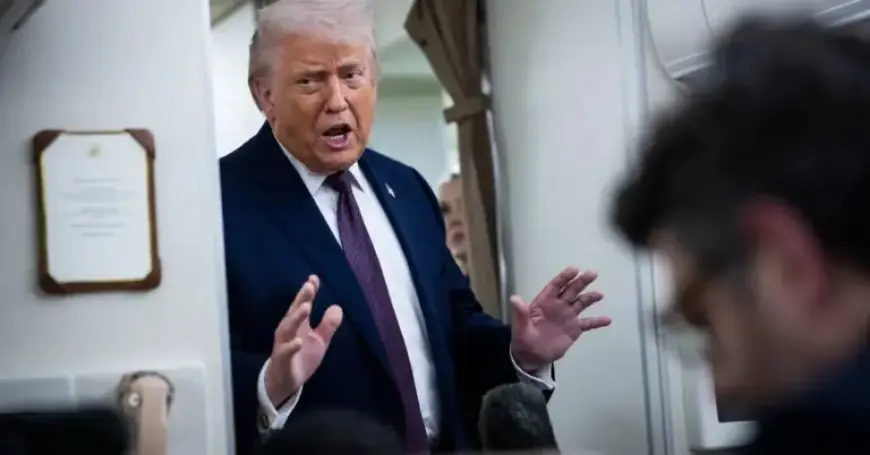
In the wake of a controversial shooting incident in Minneapolis, President Donald Trump has responded solely to allegations surrounding the killing, which involved a U.S. citizen. The victim, identified as Alex Pretti, an I.C.U. nurse, was fatally shot by Border Patrol officers while recording immigration agents. This marks the second fatal shooting of a protester in Minneapolis by federal agents within a short time frame.
Details of the Incident
On a Saturday afternoon, Pretti was confronted by federal officers while using his cellphone. At the time, he was legally carrying a handgun. Trump, in discussions with his aides, described Pretti as a “would-be assassin.” On social media, he placed blame on local law enforcement and accused Minnesota officials of engaging in a cover-up involving fraud.
Trump’s Social Media Response
- Trump shared images related to a separate incident involving an injured Border Patrol agent.
- His posts suggested that federal agents’ actions were justified.
- He stated that the real issue lies with “Democrat run Sanctuary Cities and States.”
Trump’s reaction reflects a persistent pattern of blaming his critics instead of addressing the consequences of his administration’s policies. He asserted that Democrats were fostering dangerous conditions by protecting illegal immigrants, suggesting they prioritize these individuals over law-abiding Americans.
Political Landscape and Investigations
In an interview with The Wall Street Journal, Trump indicated a possible investigation into the incident, signaling some awareness of public concern. Despite this, he reiterated that the federal agents’ actions were not the problem. Rather, he claimed that liberal policies obstructed necessary immigration enforcement efforts.
Calls for accountability emerged from various political sectors, with both Democrats and some Republicans expressing concern about the actions of federal law enforcement. However, Trump’s inclination was to deflect responsibility onto Democrats, insisting they “encourage Leftwing agitators” who disrupt enforcement operations.
Context of Militarization and Protests
This incident arises amidst a backdrop of intensified deportation tactics and a broader military-style operation in urban areas. Critics argue that such policies, embraced by Trump’s administration, contribute to violent confrontations during protests.
The president has a history of framing protests as being driven by anarchists, undermining the legitimacy of dissent against his administration’s policies. His administration previously labeled the antifa movement as a “domestic terrorist organization,” despite the absence of a formal legal definition for domestic terrorism in the U.S.
Future Implications
As midterm elections approach, Trump faces rising pressure from voters dissatisfied with national conditions, including economic factors such as inflation. The shooting in Minneapolis has highlighted the friction between federal tactics and community responses, which could impact voter sentiment.
With the backdrop of ongoing protests and increased scrutiny of his leadership style, Trump’s response to the Minneapolis incident seems designed to strengthen his base rather than address the concerns of the wider public. This approach may have significant implications for the upcoming elections and the ongoing debates surrounding immigration and law enforcement practices in America.