





















Alex Pretty Minneapolis shooting: the unanswered evidence questions driving Minnesota’s backlash

The killing of Alex Jeffrey Pretti—often misspelled online as “Alex Pretty”—has become more than a single Minneapolis use-of-force case. It’s now a public test of whether federal agencies, city leaders, and state investigators can produce a credible, shared record quickly enough to prevent rumor from hardening into “truth.” The stakes are immediate: trust in law enforcement, safety at protests, and the degree of federal presence in Minneapolis. Until the core evidence is released and independently examined, the most consequential fact is the uncertainty itself.
Why this case is exploding: two narratives, one thin public record
Right now, Minneapolis is staring at a familiar problem with a new cast of agencies: competing accounts racing ahead of the official investigative timeline.
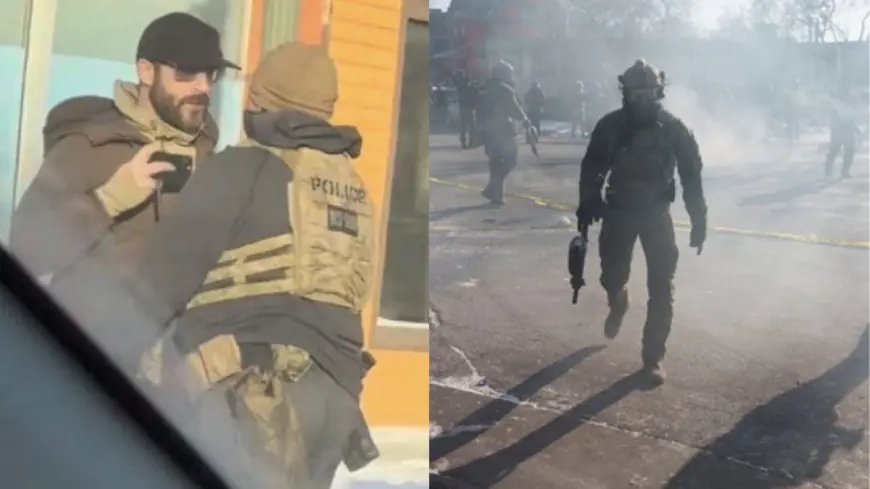
Federal officials have framed the shooting as self-defense during an immigration-enforcement operation. Meanwhile, multiple bystander videos circulating online appear to show Pretti filming with a phone, being sprayed with a chemical irritant, taken to the ground, and then shot. Those clips are emotionally searing—but short angles can also miss critical seconds before the frame begins or after it ends. That gap is where the conflict lives: whether Pretti presented a weapon, whether agents saw one, when it was allegedly noticed, and how commands and escalation unfolded.
The result is a widening credibility crisis. When the public’s “primary record” becomes social video fragments, every delay in releasing official footage, dispatch audio, witness interviews, and forensic findings makes the vacuum louder. That dynamic is now fueling protests and sharpening political rhetoric across Minnesota.
What’s been established about the Alex Pretti shooting in Minneapolis
Authorities have identified the man killed as Alex Jeffrey Pretti, 37, described by his family as an ICU nurse who worked in veteran care. The shooting happened Saturday morning, January 24, 2026, in south Minneapolis near 26th Street and Nicollet Avenue during a federal operation tied to immigration enforcement. State-level investigators are involved, and Minneapolis leaders have publicly pressed for a full accounting.
Several facts remain disputed in public:
-
Whether Pretti had a gun in hand at any point during the confrontation
-
Whether agents issued warnings and how those warnings aligned with what bystanders could see
-
How quickly force escalated after pepper spray and physical restraint
-
What body-worn or vehicle footage exists, and when it will be released
What is not disputed: Pretti died at the scene, and the incident triggered immediate demonstrations in Minneapolis that continued into the weekend.
Mini timeline of how the story unfolded (and what’s still missing)
-
Morning, Jan. 24: Federal agents confront people in south Minneapolis; Pretti is shot and killed.
-
Hours later: Videos begin spreading online, shaping public perception before a full official briefing.
-
Late Jan. 24 into Jan. 25: State and city officials demand clarity on evidence, chain of custody, and federal cooperation.
-
Jan. 25: Protests broaden, and national political figures amplify the incident.
-
Next turning point: Release of complete unedited footage sets, synchronized timelines, and a forensic summary that can be tested against witness accounts.
The political aftershock: immigration enforcement, DHS pressure, and Minnesota’s response
The shooting is also colliding with a bigger argument about why federal immigration operations are being conducted in Minneapolis at this scale and tempo. Minnesota leaders, including Governor Tim Walz, have publicly condemned the killing and called for changes to federal operations in the state. On the federal side, senior officials have defended agent conduct and linked the situation to public order and support for immigration enforcement.
That broader fight intensified when U.S. Attorney General Pam Bondi sent a letter to Walz that tied federal posture in Minnesota to specific demands, including access to state voter-roll data. The move effectively fused two controversies—use of force in Minneapolis and election administration—into one political confrontation, even though the shooting’s facts should ultimately be determined by evidence and investigative procedure, not policy leverage.
For Minneapolis residents, the practical effect is that the case is being litigated in public on two tracks at once: a factual track (what happened on the sidewalk) and a power track (who gets to operate, investigate, and define “order” in the city).
Where the case goes from here
If officials want to cool the temperature, the path is straightforward but hard: publish a verifiable sequence of events using complete footage, independent witness interviews, forensic findings, and clear documentation of evidence handling. Without that, every new clip, rumor, or political statement will keep dragging the case further from resolution—and deeper into a broader fight over federal law enforcement in Minnesota.
For now, the most accurate summary is also the most unsatisfying one: a man is dead, videos exist but don’t settle every disputed second, and the definitive story depends on evidence that has not yet been fully made public.