





















Pretti in Minneapolis: a fatal federal shooting now hinges on video, sworn accounts, and unanswered questions

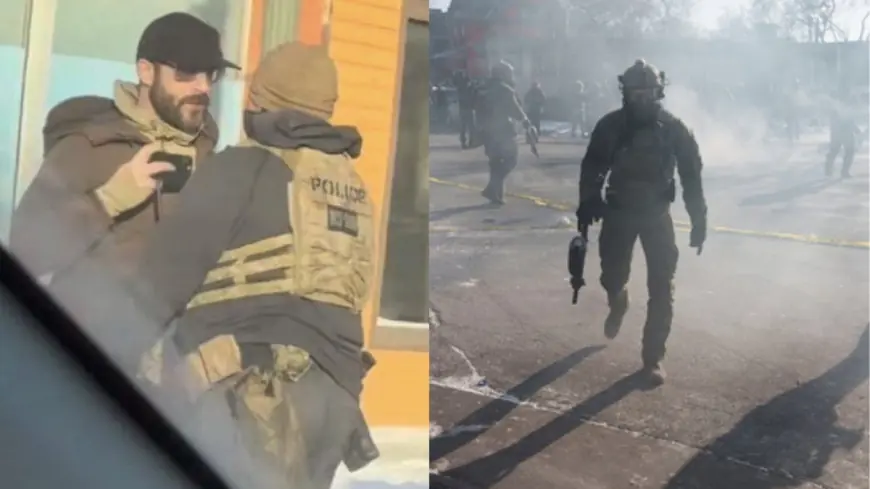
Minneapolis is bracing for more than protests after the killing of Alex Pretti: it’s facing a legitimacy test for how federal immigration enforcement is operating on city streets. Pretti, a 37-year-old intensive-care nurse, was shot dead during an encounter involving federal officers on Saturday, January 24, 2026. Officials have framed the shooting as self-defense. But publicly circulating video and sworn witness statements point in a sharply different direction, raising a central question that will shape everything next—whether Pretti posed an immediate threat, or whether the confrontation escalated catastrophically in seconds.
What’s known, what’s disputed, and why that gap matters
Some facts are already stable: Pretti worked as an ICU nurse at the Minneapolis VA health system, and he died after being shot by a federal officer during an incident linked to immigration enforcement activity in Minneapolis. What’s not settled—and what is driving anger in the city—is the justification for lethal force.
Federal authorities have said Pretti had a handgun and that the shooting happened during an attempt to disarm him. In contrast, sworn statements filed in federal court by eyewitnesses describe Pretti as unarmed in the moments before shots were fired, with accounts that he was holding a phone and trying to help or shield another person during a chaotic scuffle. Those competing narratives are not a minor detail; they determine whether this becomes a case about an officer’s split-second decision or a wider reckoning over tactics, training, and accountability.
A second, quieter pressure point is institutional: if prosecutors, courts, or oversight bodies end up contradicting the initial official explanation, trust can erode quickly—not just in the agency involved, but in the broader enforcement push that brought officers into that setting in the first place.
How the encounter unfolded and what investigators are now piecing together
The shooting happened in south Minneapolis near the intersection of 26th Street and Nicollet Avenue. Video clips circulating online show a tense confrontation with multiple officers and bystanders. In the footage, a struggle appears to develop as people are shoved and pulled to the ground; within moments, gunfire erupts.
Investigators are now triangulating three main streams of evidence:
-
Video from phones and nearby cameras: the sequence of physical contact, any visible weapon, and the timing of shouted warnings.
-
Sworn witness statements: descriptions of what Pretti was doing immediately before and during the takedown.
-
Official reports and forensic findings: ballistics, autopsy results, and any weapon recovery documentation.
Minnesota’s governor has publicly questioned the federal self-defense account after reviewing video, sharpening the political stakes and intensifying calls for transparency. Meanwhile, public demonstrations have grown, and additional security measures have been discussed in response to escalating tensions.
Mini timeline (where things stand)
-
Sat, Jan 24, 2026 (morning): Pretti is shot and killed during an encounter involving federal officers in Minneapolis.
-
Sat–Sun: Authorities issue an initial self-defense justification; video spreads widely online.
-
Sun, Jan 25, 2026: Sworn witness filings describing Pretti as unarmed gain attention; protests expand and public officials demand clearer answers.
-
Next: Investigators’ handling of video evidence and the release of key documents will determine whether the public narrative stabilizes—or fractures further.
For many residents, the immediate “future” question isn’t abstract: it’s whether federal operations will continue in the same manner in Minneapolis, and whether safeguards will change quickly enough to prevent another fatal escalation.