























ICU nurse shot in Minneapolis raises urgent questions as video, accounts clash, and protests swell

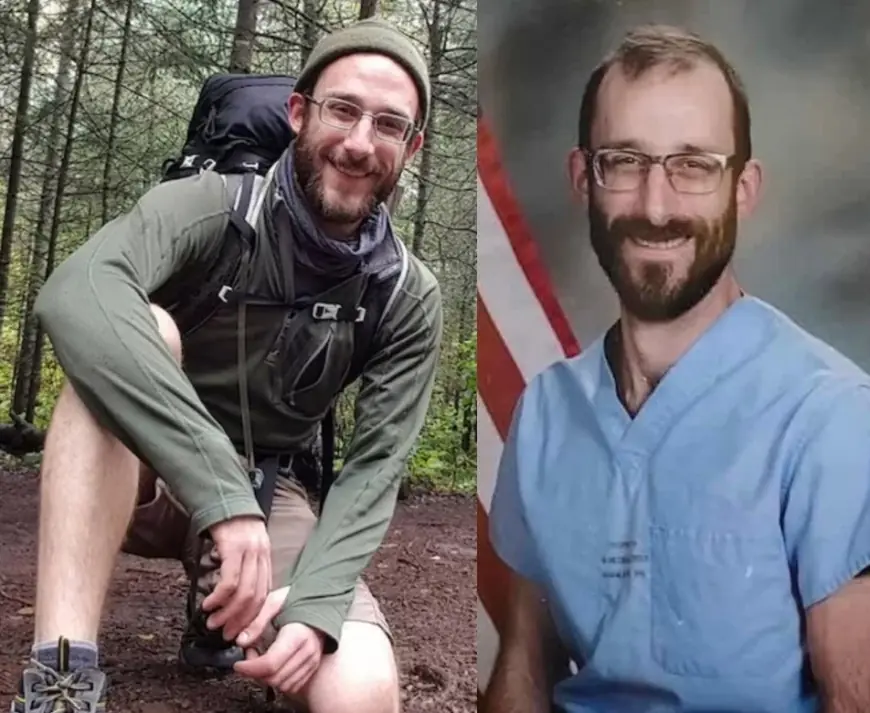
The killing of an ICU nurse in Minneapolis has become more than a single, tragic shooting: it’s a fast-moving test of transparency in federal enforcement operations and a flashpoint for public trust. What’s clear is the human impact—a 37-year-old critical-care nurse is dead, his family is demanding answers, and the city is seeing renewed demonstrations. What’s not settled is the sequence of events in the moments before gunfire, and which version of those moments will stand up to investigation.
What’s known, what’s disputed, and why the gap matters
Alex Pretti, described by relatives and colleagues as an ICU nurse who cared for veterans, was shot and killed Saturday in Minneapolis during an encounter involving federal agents. The incident quickly drew attention because of how many high-stakes factors overlap at once: armed federal personnel operating in public, contested claims about a weapon, and video that some observers say contradicts parts of the initial narrative.
The uncertainty isn’t a side detail—it’s the core of what will determine accountability. In cases like this, small factual disputes change everything: whether a person posed an immediate threat, whether commands were clear, whether de-escalation was possible, and whether the use of lethal force was legally justified.
Here are the points driving the public debate right now:
-
What Pretti was holding: competing claims center on whether he had a handgun in hand, had a firearm on him but not raised, or was holding a phone when he was shot.
-
Distance and positioning: the spacing between agents and Pretti, and whether he was on the ground or moving, shapes how “imminent threat” is assessed.
-
Warnings and time: whether clear warnings were given, and how many seconds elapsed between any warning and the shots.
-
Scene control: questions about which agencies controlled the area immediately afterward, and how quickly outside investigators gained access.
-
Why this moment escalated: whether Pretti intervened to help someone else, confronted agents, or was mistaken for a threat in a chaotic scene.
Those details will determine not only what happened, but how Minneapolis residents—and communities far beyond the city—judge federal tactics and oversight.
What happened Saturday and what investigators are sorting out
The shooting occurred early Saturday near a commercial area in Minneapolis. Federal agents were present as part of enforcement activity connected to immigration operations, and the encounter ended with a federal officer firing at Pretti. He died from his injuries.
From there, the story widened quickly. Relatives publicly identified Pretti as the man killed and described him as a healthcare worker with ties to veterans’ care. Friends and colleagues have portrayed him as someone who showed up for others—an image that has fueled anger among protesters who see the shooting as unnecessary and preventable.
Federal agencies have offered a version of events that frames the shooting as a response to a threat involving a firearm. Pretti’s family and supporters have rejected that portrayal and argue the situation has been mischaracterized. Video circulating online has intensified the dispute, prompting calls for full release of body-worn camera footage (if any), unedited surveillance video, and detailed timelines.
Local officials have also faced pressure to clarify investigative jurisdiction—who leads, who participates, and how evidence is collected. That process matters because even a technically thorough investigation can lose legitimacy if the public believes key decisions were made behind closed doors.
The next steps are procedural but consequential: forensic review, witness interviews, frame-by-frame video analysis, and a clear accounting of agency roles. Until those are complete, broad claims about motive or intent risk outrunning the evidence.
Public demonstrations have followed, with many demanding independent review, clearer rules for federal operations in public spaces, and stronger guardrails on the use of force. The intensity reflects a wider anxiety: once trust is broken, even accurate updates struggle to land.
What comes next is likely to hinge on whether investigators can narrow the disputed facts quickly—and whether authorities provide information in a way that feels complete, timely, and verifiable to the public.