

























Mike Winger Exposé Reveals Bethel Church’s ‘Extended Mercy’ Neglecting Victims

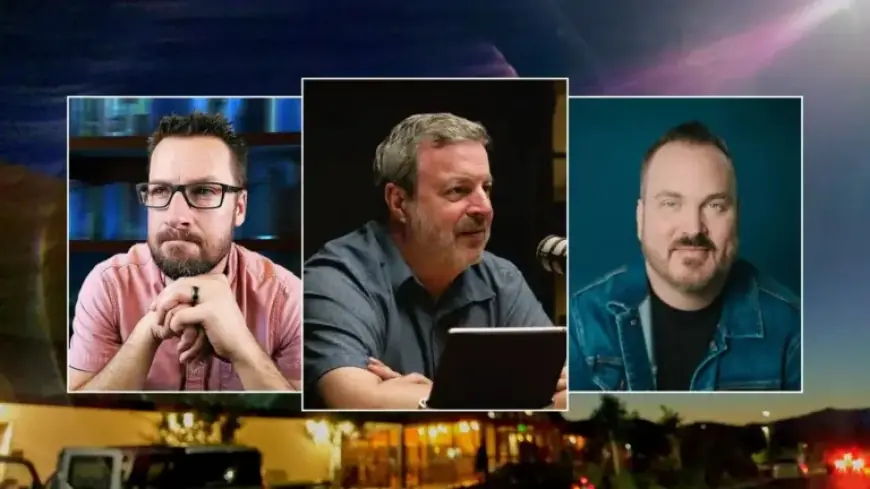
Bible teacher and podcaster Mike Winger has released a significant exposé that has stirred controversy within the charismatic movement. The nearly six-hour video titled “The Skeletons in Bethel’s Closet are Now Going to Speak” brings to light serious allegations against Shawn Bolz, a prophetic minister in Southern California.
Key Allegations Against Shawn Bolz
Winger alleges that Bolz’s ministry, which has been heavily promoted by Bethel Church in Redding, California, is built on deceptive practices such as data mining from social media. Winger outlines multiple claims of sexual misconduct against Bolz, known to Bethel leaders since 2020. While they distanced themselves from Bolz privately, they continued to support him publicly until February 2025.
Bethel Church’s Response
After releasing the video on January 17, 2026, Winger’s findings prompted immediate reactions. On January 18, Bethel pastor Kris Vallotton addressed the church congregation, revealing a troubling mindset regarding the allegations. Instead of acknowledging the serious nature of the accusations, Vallotton questioned why church leadership is seen as challenging and asked for more grace from the congregation.
Leadership vs. Victim Protection
This response raises critical questions about the church’s priorities. Vallotton appears more concerned with maintaining the credibility of the movement rather than protecting victims. He categorizes leaders into “wolves,” who act with malice, and “broken people,” who he believes deserve compassion. However, this distinction undermines accountability.
The Culture of Silence
The systemic failure within Bethel Church reveals a pattern common in many abuse scandals. When victims approach church leaders seeking help, they often find their concerns minimized or dismissed. Victims frequently face betrayal, not only from their abusers but also from those meant to protect them.
- Confidentiality is prioritized over transparency.
- Accused individuals receive protection while victims suffer in silence.
- Victims’ motives are questioned, further silencing their voices.
The Dangers of Extended Mercy
Vallotton’s approach, described as “extended mercy,” poses serious risks. His insistence on maintaining silence during allegations creates an environment where potential victims remain unprotected. Every month that passes without action increases the risk of additional abuse.
While Vallotton admits that waiting too long to act was an error, he defends his lack of urgency by framing it as mercy. This perspective neglects the reality that failing to address unrepentant sin ultimately enables further harm.
Implications for Church Leadership
Winger’s investigation raises important questions about the qualifications for church leadership. Scriptural standards emphasize that leaders should be above reproach and possess a good reputation. Yet, leadership often overlooks these criteria in favor of maintaining authority and influence.
The Role of Social Media
Vallotton also blamed social media for the dissemination of “unvetted stories,” which he claims undermine reputations. However, many victims resort to external media to expose wrongdoing after experiencing ineffective internal processes.
Conclusion: A Call for Accountability
Ultimately, the situation at Bethel Church reflects a larger issue within many religious institutions: when individuals seek help, they should not be handed back to their abusers. True mercy requires protecting victims and holding leaders accountable for their actions. The ongoing dialogue about extended mercy versus victim protection is critical for the future of church integrity.