

























World’s tallest buildings are back in focus as Taipei 101 becomes a proving ground for height, risk, and the next record

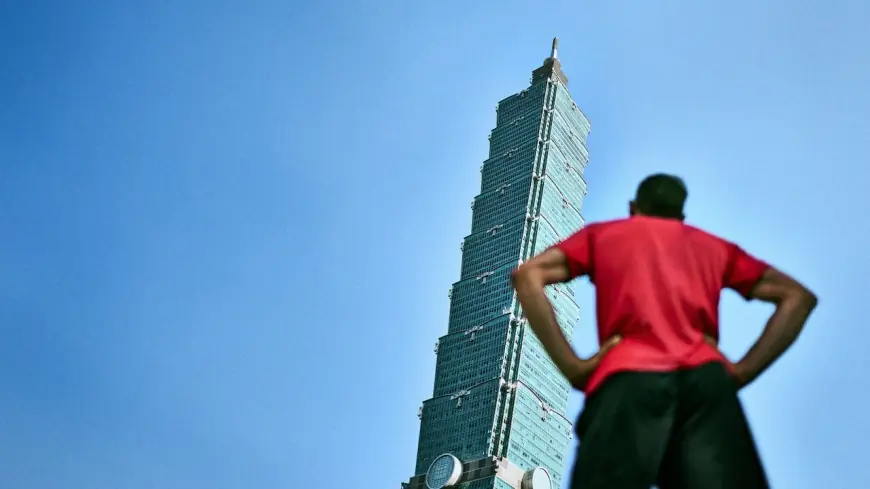
For years, the world’s tallest buildings have been treated like fixed monuments—tourist magnets that rarely change the global leaderboard. This weekend snapped that assumption. A high-profile, no-ropes climb up Taipei 101 pulled one of the planet’s iconic towers back into the spotlight and, in the process, revived a bigger question: what does “tallest” mean now—status symbol, engineering frontier, or public-safety headache? With kilometer-class projects still moving forward and supertalls multiplying, the tallest-buildings conversation is shifting from bragging rights to resilience, risk, and what cities get in return.
Height is no longer the headline—systems are
Taipei 101’s return to the center of attention isn’t about it reclaiming the crown. It’s about what supertalls represent in 2026: vertical infrastructure that tests everything from wind engineering to emergency response.
As towers push higher, the real differentiators aren’t the last few meters of height. They’re the systems that keep thousands of people safe and the structure functional:
-
Wind behavior and occupant comfort: the taller the tower, the more critical sway control becomes—not just to protect the building, but to keep people comfortable on upper floors.
-
Vertical transportation: elevator strategy increasingly defines whether a supertall is usable at peak hours or merely impressive on a skyline.
-
Heat management and energy load: glass-and-steel giants in hot climates face enormous cooling demands, making efficiency and shading design as important as structure.
-
Emergency operations: evacuation planning, smoke control, refuge floors, and access for responders get exponentially harder as height rises.
That’s why a climb on a famous tower lands differently now. It highlights how public-facing these structures have become—part civic identity, part global stage—and how quickly questions about access, security, and liability follow.
The Taipei 101 climb and why it reignited the supertall conversation
On Sunday, U.S. climber Alex Honnold completed a “free solo” ascent of Taipei 101—without ropes or safety gear—in a publicly staged event that drew crowds and global attention. The climb took roughly an hour and a half and ended atop a building that stands about 508 meters (1,667 feet) high.
Taipei 101 matters in tallest-buildings history because it once held the world’s tallest-building title before being overtaken by Dubai’s Burj Khalifa, which rises to about 828 meters (2,717 feet). Even without the top ranking, Taipei 101 remains one of the world’s most recognizable supertalls—an emblem of how the early 2000s “height race” transformed skylines across Asia and the Middle East.
The climb’s ripple effect has been immediate: renewed public fascination with supertalls, fresh scrutiny of how these landmarks are secured, and a reminder that the global record is not a settled story. The next potential titleholder—Saudi Arabia’s long-delayed Jeddah Tower project—has been advancing again, aiming to cross the 1,000-meter threshold and become the first kilometer-high building.
Mini timeline: how the “tallest” narrative has evolved
-
Early 2000s: Taipei 101 becomes a symbol of the supertall era and a template for landmark skyscrapers.
-
2010: Burj Khalifa resets the ceiling for what the world considers possible at 800+ meters.
-
Mid-2010s to early 2020s: More cities pursue supertalls, but the record itself feels static; the focus shifts to clusters of tall buildings rather than a single winner.
-
Recent years: Kilometer-class ambitions return to the foreground as stalled megaprojects resume and new proposals chase prestige.
-
Next phase: Whether the next record is achieved will depend less on architecture headlines and more on financing, construction logistics, and long-term operational credibility.
What the tallest-buildings race signals about where cities are headed
The renewed attention on the world’s tallest buildings arrives at a moment when many cities are rethinking what “iconic” development should deliver. Superalls can boost tourism, branding, and high-end real estate demand—but they also concentrate risk and cost.
A few real-world effects are becoming harder to ignore:
-
Insurance and safety expectations rise with visibility. A globally watched stunt on a landmark tower can trigger renewed debate about perimeter controls, enforcement, and public access—especially when the structure is woven into a city’s identity.
-
The economic case has narrowed. The very tallest projects increasingly require a mix of luxury residential, hospitality, and destination retail to pencil out, and even then they can be vulnerable to shifts in global capital.
-
Engineering advances are now judged by uptime. People notice not only how high a tower is, but whether elevators work reliably, whether the interior is comfortable in extreme weather, and whether the building remains attractive to tenants years after opening.
The world’s tallest buildings will always be spectacle. But the new reality is that spectacle has to coexist with durability—because the taller the building, the more unforgiving the trade-offs become.