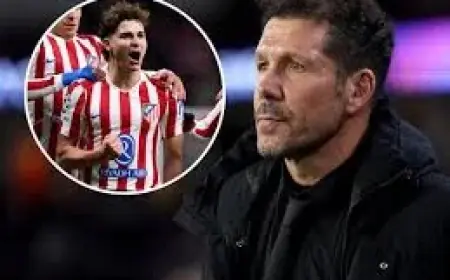












Mike McCarthy, Chris Shula, Anthony Weaver, Ejiro Evero and Klay Kubiak: The Steelers’ rare coaching search is suddenly a league-wide tug-of-war

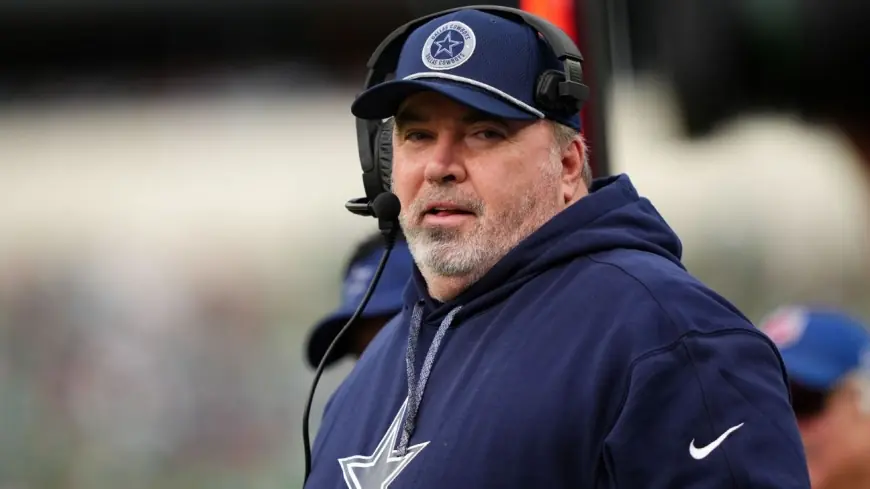
Pittsburgh almost never shops for a head coach, which is exactly why this cycle feels so consequential: the next hire won’t just set a playbook, it will set the tone for the next era of roster building, staff construction, and quarterback decisions. With Mike McCarthy now in the in-person phase and defensive and offensive candidates like Chris Shula, Anthony Weaver, Ejiro Evero, and Klay Kubiak also in the mix, the process has quickly become less about “who’s available” and more about “who can define the next identity fast.”
The uncertainty isn’t the candidates — it’s how Pittsburgh wants to win
Here’s the part that matters: the Steelers’ interview list is split between two philosophies that shape everything else.
Option A: Immediate offensive infrastructure.
McCarthy’s profile screams experience, quarterback-friendly systems, and a track record of sustaining winning seasons. That kind of résumé tends to pull the search toward a staff that can install an offense quickly, stabilize weekly game management, and avoid the “first-time head coach growing pains” that show up in close games.
Option B: Defense-led, CEO-style rebuild.
Shula, Weaver, and Evero represent a modern defensive pipeline: adaptable fronts, coverage variety, and heavy emphasis on matchup-specific planning. The appeal is control — defenses can travel week to week, and a strong defensive head coach can keep a team competitive even while the offense evolves.
Option C: The younger offensive architect swing.
Klay Kubiak sits in the “scheme accelerator” category — the kind of candidate teams pursue when they want a fast identity on offense and are willing to pair it with a veteran coordinator on the other side of the ball.
It’s easy to overlook, but the job isn’t only choosing a head coach; it’s choosing what kinds of assistants will even return your calls. A defensive head coach often needs a high-caliber offensive coordinator immediately. An offensive head coach needs a defensive coordinator who can run the room without drama. That staffing math can decide the finalist before fans ever hear the last interview rumor.
Where the process stands, and why these names keep resurfacing
Team-issued interview schedules show Pittsburgh has already shifted from virtual meetings to in-person sessions. Mike McCarthy has reached that in-person stage, while a larger group of candidates — including Ejiro Evero, Klay Kubiak, Chris Shula, and Anthony Weaver — have been part of the earlier interview wave.
The reason these same names keep popping up across the league is simple: they’re not only on Pittsburgh’s radar.
-
Evero has drawn interest elsewhere and has already been deep enough in at least one search to reach a second-interview phase. That signals real traction, not just courtesy calls.
-
Weaver has also generated outside interest, which can speed up timelines and force teams to decide whether they’re ready to move from “candidate” to “priority.”
-
Shula has become one of the more discussed defensive leaders this cycle, in part because of his blend of big-stage defensive work and the perception that he can run an entire operation.
-
Kubiak remains tied to the broader “Kubiak” coaching tree conversation, and league insiders have connected his name to multiple teams looking for an offensive reset.
A quick timeline of how this moved (and how fast it could move again)
-
Jan. 13, 2026: Mike Tomlin steps down, opening a rare Pittsburgh head-coach vacancy.
-
Jan. 19: Pittsburgh’s virtual interview wave includes Evero, Kubiak, Shula, and Weaver (among others).
-
Jan. 20–21: The Steelers begin in-person interviews; McCarthy reaches that stage.
-
Now: Outside interviews for some of the same candidates add pressure — the next meaningful shift is when a team starts lining up second interviews in rapid succession.
The real question now is whether Pittsburgh wants to be patient and exhaustive — or decisive and early — in a cycle where other teams are also pushing toward finalists.
Key takeaways readers can use to make sense of the noise
-
McCarthy’s presence changes the “risk profile” of the search. If he’s a true finalist, Pittsburgh is at least considering a win-now head coach with a long résumé over a first-time hire.
-
The defensive trio (Shula, Weaver, Evero) isn’t redundant — they’re different bets. The differences are in staffing networks, teaching style, and how aggressively they’d modernize the roster and scheme fit.
-
Kubiak is the pure “identity play.” Teams don’t chase that archetype unless they want a clear offensive direction — and fast.
-
The process can swing on coordinator plans. The strongest interviews often include a credible outline of who would call plays, who runs the defense, and how the weekly operation will work.
Pittsburgh’s next step is the one that actually matters: narrowing the list into a small group that can bring a full staff plan, not just a good interview. In a carousel where multiple teams are circling the same names, the decision may come down to which candidate can sell the clearest 12-month blueprint — and which one can build it with the assistants available right now.