
























Can the Supreme Court Shield the Federal Reserve from Trump Influence?

Former President Donald Trump has a well-known track record of dismissing officials. His controversial approach to management has sparked discussions about authority and independence, particularly concerning the Federal Reserve.
Historical Context of Presidential Influence
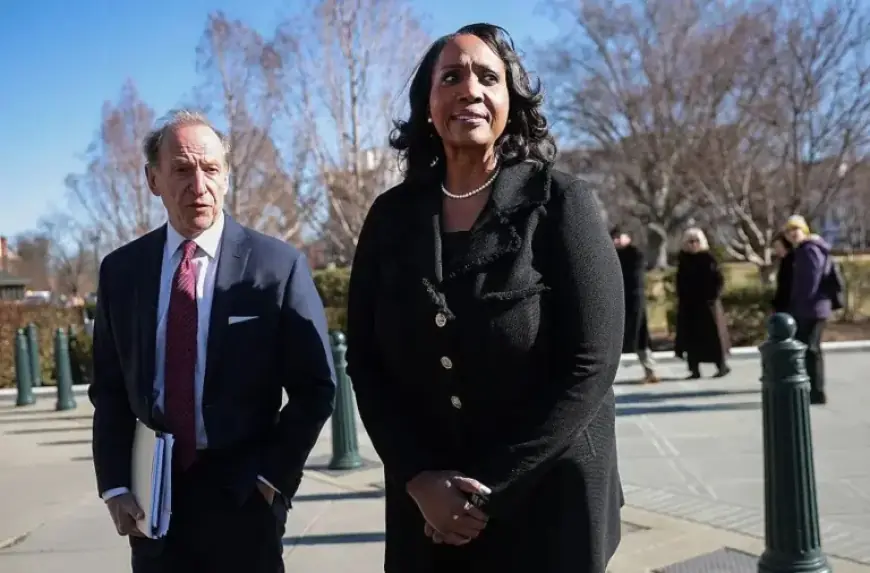
In August 2022, Trump attempted to dismiss Lisa Cook from the Federal Reserve Board of Governors. This action marked a significant milestone as it was the first occasion in U.S. history a president sought to remove a sitting Fed governor.
Lisa Cook is one of three Democrats among the board’s seven members. Her removal could potentially shift the board’s stance towards implementing interest rate cuts, a measure Trump was eager to pursue.
The Supreme Court Hearing
The case surrounding Cook’s attempted dismissal was presented before the Supreme Court recently. The proceedings raised essential questions regarding presidential powers and the autonomy of the Federal Reserve.
Legal experts observed that the atmosphere in the courtroom suggested uncertainty regarding the Trump administration’s position. Many believe the court’s decision could influence the relationship between the executive branch and the Federal Reserve going forward.
Potential Implications
If the Supreme Court finds in favor of Cook, it would reinforce the independence traditionally held by the Federal Reserve. Conversely, a ruling in favor of the former president might set a precedent for increased executive influence over independent agencies.
- Trump’s influence on the Federal Reserve raises questions about checks and balances.
- Concerns over political motivations affecting monetary policy have been echoed in various legal forums.
As the Supreme Court deliberates, the nation watches closely. The outcome will determine not only Cook’s future but also the overall dynamic between governmental branches.
The case highlights the ongoing debate about the integrity of independent institutions in the face of political pressures. The ruling could have lasting consequences for how such entities operate in the future.