
























Blake Lively–Taylor Swift texts thrust “It Ends With Us” lawsuit into a new, messier phase

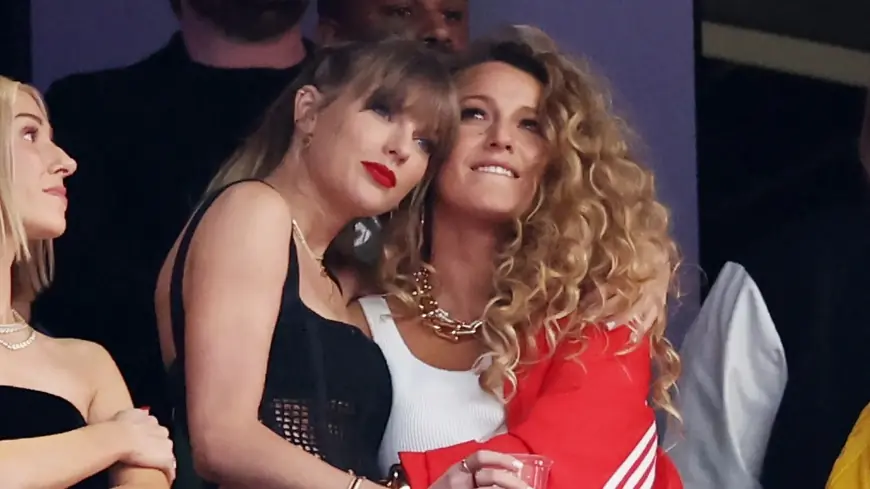
Private messages rarely change anything on their own. In court, they can change everything. Newly unsealed filings tied to the legal dispute between Blake Lively and Justin Baldoni have pulled Taylor Swift—and a widening orbit of Hollywood names—into public view through excerpts of texts and emails. The immediate fallout isn’t just gossip: it’s reputational risk, heightened pressure on witnesses, and a reminder that modern celebrity cases can turn on personal tone as much as formal evidence.
The risk is collateral damage: friendships, reputations, and leverage narratives
The most combustible element in this latest turn is the way the filings collapse boundaries. Conversations that read like friend-to-friend emotional check-ins are now being parsed like strategy memos. That creates two parallel storylines at once: the courtroom question of what the communications prove, and the public question of what they “say” about the people involved.
For Swift, the exposure is uniquely awkward because her connection to It Ends With Us has been framed as limited—centered on licensing one song, “My Tears Ricochet,” rather than any on-set role or creative decision-making. Even so, the filings’ excerpts make her sound like part of the emotional infrastructure around Lively during a tense period, which is enough to invite subpoenas, headlines, and public interpretation.
For Lively and Baldoni, the unsealed material adds a new layer to an already high-stakes dispute by widening the cast of recognizable names and by placing interpersonal dynamics—support, frustration, loyalty, hurt feelings—closer to the center of the narrative. That’s not automatically relevant to liability, but it can be relevant to credibility, motive, and how each side tells the story of what happened behind the scenes.
What the filings add: sharp language, creative-control tensions, and co-star commentary
The unsealed documents include quoted excerpts of text exchanges between Lively and Swift from late 2024 that touch on both their friendship and the turmoil around the film. Portions describe strain and reconciliation—messages about tone, distance, and wanting the friendship to feel real again rather than overly formal.
Other excerpts, also from late 2024, include blunt language about Baldoni and a sense that tensions around production and post-production had become personal. The filings also reference Lively urging Swift to back a revised script direction, with Swift responding in a supportive, emphatic way—an exchange now being debated for what it does and does not imply about influence over the project.
Beyond Swift, the newly visible communications widen to include other notable figures who appear in supportive messages, plus discussion of the broader environment around the film. Co-star Jenny Slate is among the names tied to critical commentary in the released material, which adds weight to the claim that the friction wasn’t confined to a single working relationship.
Separately, another set of texts referenced in the filings sparked renewed attention after Jameela Jamil publicly addressed her own previously private messages—an example of how quickly a court release can force people on the periphery to respond in real time, even when they aren’t central parties.
The legal posture remains the anchor: the dispute involves serious allegations and counter-allegations tied to production and aftermath, with the case positioned for a May 2026 trial date. The unsealed tranche doesn’t resolve that. It does, however, raise the volume of the public conversation while the court process continues.
Mini timeline of how Taylor Swift got pulled into the case
-
Spring 2025: A document subpoena aimed at Swift and her law firm was later withdrawn.
-
September 2025: A judge denied a request tied to extending time for a Swift deposition.
-
Mid–late January 2026: Newly unsealed filings released excerpts of Swift–Lively texts and other communications, widening public scrutiny.
-
Next phase: As motions and pretrial fights play out, more sealed or partially sealed material could be contested—meaning the boundary between “case record” and “public spectacle” may keep shifting.
The headline may be “texts,” but the larger story is what they represent: the modern reality that a blockbuster lawsuit can turn private relationships into public exhibits—whether or not those relationships are truly central to the claims a judge or jury must decide.