

























Nine EU Nations Collaborate on 100 GW North Sea Wind Expansion

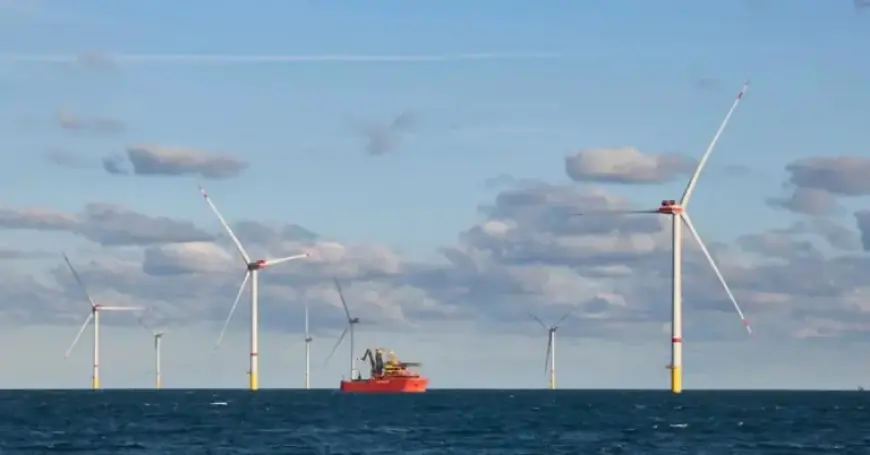
In a significant move towards renewable energy, nine European nations are set to collaborate on an ambitious offshore wind initiative in the North Sea. The goal is to develop 100 gigawatts (GW) of offshore wind power.
Collaboration Among Nations
The countries participating in this plan include the United Kingdom, Germany, and the Netherlands. Energy ministers from these nations are expected to formalize their commitment during a meeting in Hamburg next week.
Details of the Initiative
This initiative is part of a broader strategy to achieve a total of 300 GW of offshore wind capacity by 2050, with one-third or 100 GW stemming from joint projects. Notably, the plan also emphasizes the importance of securing critical infrastructure against potential threats.
- Countries plan to share security-related data.
- Coordination on physical and digital protection of energy infrastructure is prioritized.
NATO, the European Commission, and Iceland will also join the discussions in Hamburg, highlighting the international importance of this initiative.
Future Developments
According to reports, transmission system operators aim to commence around 20 GW of these projects during the 2030s, paving the way for a sustainable energy future in the region.
Benefits of the Offshore Wind Project
This substantial investment in offshore wind is seen as a crucial step for the EU, which is looking to lower energy costs, achieve net-zero goals, and bolster energy security. The commitment to renewable energy reflects a growing consensus on the economic ramifications of climate change, as expressed by EU Climate Commissioner Wopke Hoekstra.
Overall, this collaboration represents a pivotal moment for European nations aiming to enhance energy independence while supporting environmental sustainability through innovative renewable solutions.