

























Ryan Wedding captured: what the arrest changes for a sprawling cross-border case

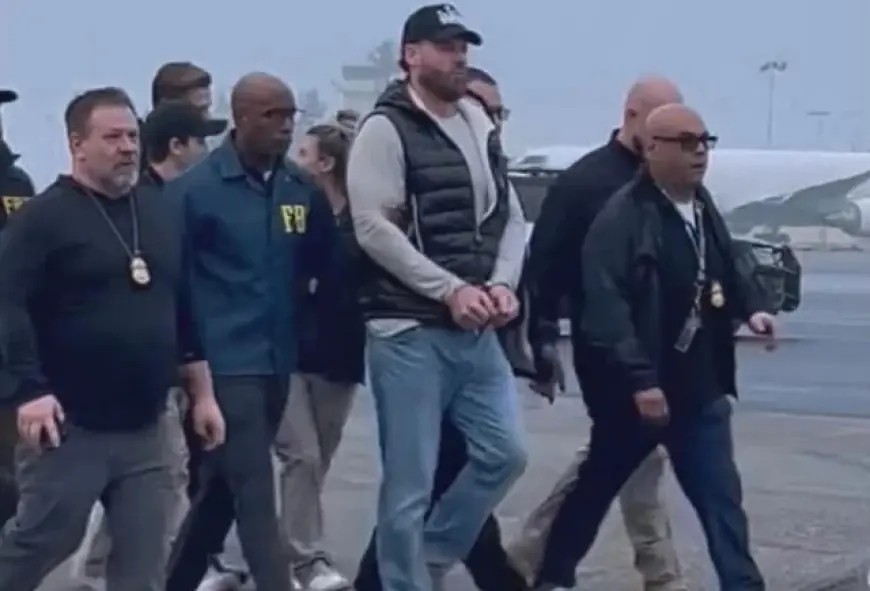
The capture of Ryan Wedding closes a long-running manhunt, but it also opens a higher-stakes phase that can get messier than the chase itself: building a courtroom-ready case around a network that prosecutors say stretches across borders and relies on layers of intermediaries. For investigators, the immediate gain is leverage—one central defendant in custody can trigger cooperation, asset seizures, and additional arrests. For everyone else involved, it raises the pressure on witnesses, co-defendants, and any remaining operators who may try to disappear.
A major arrest, with major unknowns still ahead
Wedding—best known publicly as a former Canadian Olympic snowboarder—has been taken into custody in Mexico and transferred to the United States. Authorities describe him as a high-priority fugitive and allege he led a violent drug trafficking organization tied to large-scale cocaine movement and related crimes.
What’s still unsettled is how quickly the case will crystallize in court. Big international prosecutions often hinge on details the public doesn’t see at first: which evidence is admissible, how cooperating witnesses are handled, and what financial records can be traced cleanly enough to survive defense challenges. Capturing the person at the top doesn’t automatically collapse the structure beneath—sometimes it hardens it.
A few “case-shaping” signals that can clarify the direction without guessing:
-
Detention and arraignment outcomes (whether a judge sees the alleged risk as extreme, and what conditions are set).
-
Whether prosecutors consolidate or split charges across jurisdictions.
-
Any superseding indictment that expands the alleged network, time window, or victim counts.
-
Asset forfeiture filings that reveal the scale and routes investigators believe were involved.
What authorities allege—and what the capture confirms
Authorities allege Wedding oversaw a transnational operation moving cocaine through established corridors in the Americas and into the United States and Canada, backed by violence and intimidation. The accusations also include money laundering and murders linked to enforcement, retaliation, or silencing witnesses—the kind of claims that, if proven, shift a case from “drug trafficking” into an organized-crime narrative with far higher sentencing exposure.
The capture itself appears to have been the product of coordination with Mexican authorities and U.S. agencies, followed by a transfer to U.S. custody. Video and photographs circulated after the arrest show Wedding under escort during transport—images that function as a public punctuation mark on a case that has simmered for years.
A mini timeline of the key moments now on the record:
-
March 2025: Wedding is added to a top-fugitive list, intensifying international attention.
-
Late December 2025: authorities publicize seizures tied to the investigation, signaling financial and property angles.
-
January 22, 2026: Wedding is taken into custody in Mexico.
-
January 23, 2026: he is transported into U.S. custody, and the case shifts decisively into court proceedings.
The next phase is less cinematic but more consequential: hearings, disclosure battles, and the slow sorting of what can be proven beyond a reasonable doubt versus what remains allegation.
If you meant a different “Ryan wedding” (a celebrity wedding being “captured” on video or photos), tell me the full name and I’ll zero in on that specific story.