

























Naomi Osaka vs Sorana Cîrstea: the three-set win (6-3, 4-6, 6-2) that turned tennis scores into a sportsmanship debate

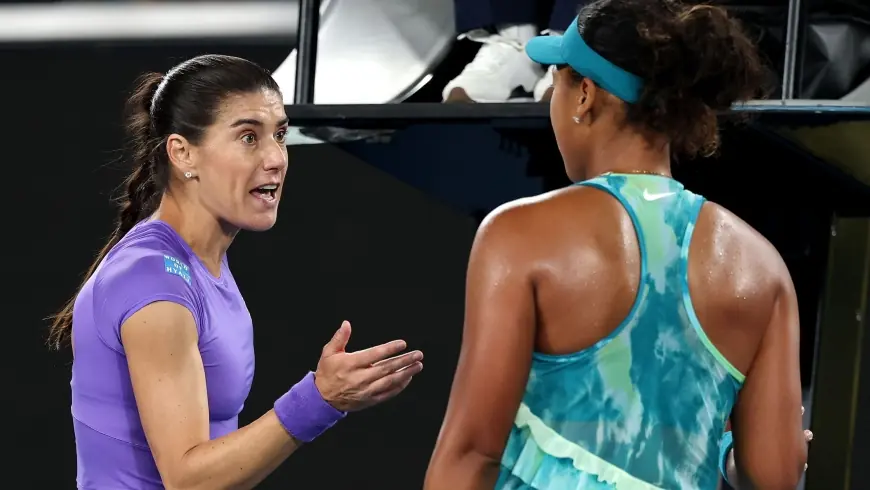
A three-set result usually speaks for itself. In Naomi Osaka’s 6-3, 4-6, 6-2 win over Sorana Cîrstea at the 2026 Australian Open, the scoreboard was only half the story. The match left Osaka in the third round, but it also sparked a conversation players and fans know well: where the line sits between personal adrenaline and an opponent’s right to serve without distraction. For anyone tracking tennis scores, this was a reminder that momentum can swing on psychology as much as placement.
Why this match is resonating with fans beyond the numbers
Osaka didn’t cruise; she absorbed pressure, gave some back, and finished with authority. Yet the post-match temperature rose because Cîrstea felt Osaka’s loud self-hyping—especially near the gap between first and second serves—crossed into interference. In tennis, the rulebook and the culture don’t always align neatly: something can be legal, tolerated, and still feel sharp when the match is tight.
That matters for the tournament’s shape. Osaka is a former champion in Melbourne, but her path isn’t only about form—it's also about how opponents respond to her presence. When matches get loud, players start listening for patterns: timing, repetition, and whether the umpire intervenes. Even if nothing changes officially, the social dynamic can.
Mini timeline (and the signal that will settle it)
-
Round 2 (Jan. 22, 2026): Osaka defeats Cîrstea 6-3, 4-6, 6-2 to reach the third round.
-
During the match: Cîrstea shows visible irritation over Osaka’s vocal bursts in tense moments.
-
Handshake: A brief, cold exchange amplifies the moment for viewers.
-
Afterward: Osaka frames the shouting as self-motivation and acknowledges it may have landed poorly.
-
Forward-looking signal: If umpires begin warning players for similar timing in upcoming rounds, this becomes a tournament-wide point of emphasis; if not, it likely fades back into the background noise of competitive tennis.
The match details that explain the swing
Osaka took the first set 6-3, recovering from early pressure and finding her rhythm on return games. The second set flipped as Cîrstea steadied her patterns and pulled Osaka into longer exchanges, taking it 6-4. That set mattered because it forced Osaka to solve a problem in real time: how to reset when your first-strike tennis isn’t ending points cleanly.
The third set was the clearest stretch of Osaka’s match management. She reasserted control and closed 6-2, creating separation late rather than living in tiebreak territory. On a hard court, a 6-2 finishing set often signals one player found a cleaner playbook—serve locations, return depth, and fewer loose errors at the worst moments.
Cîrstea, for her part, didn’t fade quietly. She competed hard enough to take a set and make the match uncomfortable. That’s why the etiquette tension carried weight: it happened in a contest that was genuinely in the balance.
What’s next for Osaka in Melbourne
Osaka moves on to face Maddison Inglis in the third round. On paper, it’s the kind of matchup where Osaka’s serve-plus-first-ball patterns can dictate, but tournaments don’t run on paper. The larger question is how Osaka channels intensity: her emotional engine helps her surge through tight patches, but the timing of that energy is now under a brighter spotlight after the Cîrstea match.
For fans following tennis scores, the practical takeaway is simple: Osaka is advancing, but the tournament has added a side plot that can affect crowd energy, opponent reactions, and even how closely umpires monitor “hindrance” moments. The next match is a chance for Osaka to keep the narrative focused on results—because in Grand Slams, the scoreboard eventually wins the argument.