
























Who Is Ryan Wedding, and Why His Arrest Matters Across Borders

If you’ve seen Ryan Wedding’s name surge in recent hours, it’s because his story sits at an unusual—and unsettling—intersection of sports, organized crime allegations, and international law enforcement. Wedding is a former Canadian Olympic snowboarder now in custody after an arrest in Mexico and a transfer to the United States, where he faces sweeping federal accusations tied to large-scale cocaine trafficking and multiple killings. The case is being treated as a major test of cross-border coordination, with implications for narcotics flows into both the U.S. and Canada.
The impact first: why this case is bigger than one fugitive
For many readers, the headline is the whiplash: Olympian to alleged cartel-linked trafficker. But the practical impact is more immediate than the shock value. Authorities frame Wedding’s network as a supply-chain operation—moving cocaine from South America through Mexico and into North American markets—where arrests at the top can trigger short-term disruption, violent power struggles, and a scramble over assets and contacts.
Here’s the part that matters: prosecutors are not treating this as a simple smuggling case. The charges described publicly point to an enterprise model—leadership, logistics, money movement, and enforcement through violence. That framing matters because it can widen the investigative net (associates, financial facilitators, couriers, enforcers) and raise sentencing exposure dramatically.
What’s easy to miss is how rare it is for a sports figure’s name to become shorthand inside an international criminal case. That visibility can accelerate cooperation, but it can also harden the stakes for anyone connected to the accused—because the legal pressure rarely stops at the person in handcuffs.
Who is Ryan Wedding: from Olympic slopes to federal court
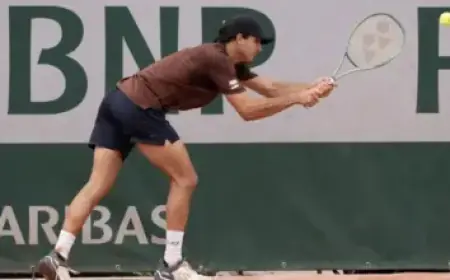
Ryan Wedding is a Canadian national who competed as a snowboarder at the 2002 Winter Olympics in the men’s parallel giant slalom. In the years after his athletic career, U.S. authorities say he moved into drug trafficking and later emerged as a high-level organizer in a transnational operation.
In the past day, law enforcement announcements have described the following as core elements of the case:
-
Age and background: Wedding is 44, originally from Canada, and known publicly for his Olympic appearance in 2002.
-
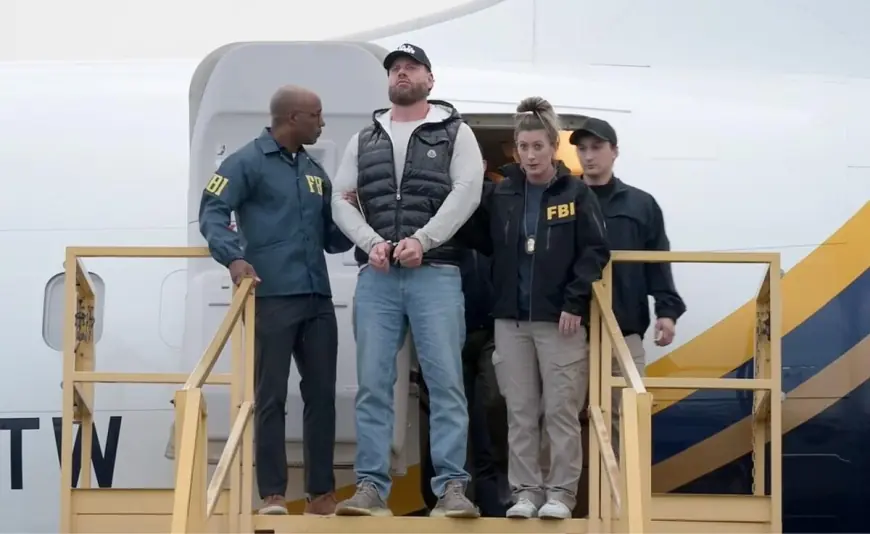
Custody status: He was arrested in Mexico and transferred into U.S. custody, with an initial federal court appearance expected on Monday, January 26, 2026.
-
Most-wanted status: He had been placed on the FBI’s Ten Most Wanted list in 2025, with a reward that later climbed as the case expanded.
-
Main allegations: Prosecutors allege he led a continuing criminal enterprise involved in large-volume cocaine trafficking from Latin America into the United States and Canada.
-
Violence allegations: He is accused of directing murders connected to the drug operation, including a federal witness killing in Colombia in January 2025 and other killings linked to drug disputes.
A key point: these are allegations, not convictions in the current case. The legal process will determine what can be proven in court and what cannot.
Micro Q&A: the basics people are asking
Was he really an Olympian?
Yes. Wedding competed for Canada at the 2002 Winter Olympics in parallel giant slalom snowboarding.
What is he accused of doing now?
U.S. prosecutors accuse him of running a major cocaine trafficking organization and ordering killings tied to drug enforcement and witness silencing.
What happens next?
He is expected to appear in federal court in California on January 26, 2026, and the case will move through detention decisions, evidence disclosures, and pretrial litigation.
As background, Wedding has faced U.S. criminal consequences before: he was convicted in 2010 in a separate drug case and served a federal sentence. Investigators allege his later activity escalated significantly after that period, culminating in a broader indictment in 2024 that expanded to include enterprise and murder-related counts.
The real test will be whether prosecutors can translate a sweeping narrative—cartel ties, logistics corridors, and alleged command responsibility for violence—into evidence that survives courtroom scrutiny: documents, communications, cooperating witnesses, financial trails, and seized shipments that connect directly to decision-making at the top.
For now, “who is Ryan Wedding” has a straightforward answer and a complicated one: a former Olympic athlete, and—if prosecutors can prove their case—a central figure in a transnational trafficking organization whose reach stretched well beyond any one country.