






















UFC weigh-in collapse puts fighter safety—and weight-cutting—back under a harsh spotlight

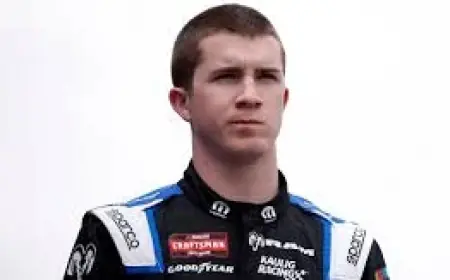
A single moment on a weigh-in stage can flip an entire fight week. When bantamweight Cameron Smotherman collapsed immediately after making weight on January 23, 2026, his bout was removed from the card and attention swung from matchups to medical risk. The incident is rare, but the underlying concern isn’t: extreme weight cutting can turn routine logistics into a health emergency, and the sport’s guardrails are still uneven. For fans and fighters alike, the bigger question now is what changes—if anything—before the next preventable scare.
The uncertainty isn’t just “what happened”—it’s how much margin the system really has
Smotherman’s collapse reignited a familiar tension in MMA: weigh-ins are treated like a box to check, yet they happen at the exact point many athletes are most physiologically stressed. Even when a fighter “makes weight,” the body can still be on the edge—dehydration, electrolyte imbalance, heat stress, and rapid temperature swings from sauna-style cuts can all stack up. A collapse doesn’t automatically confirm a dangerous cut, but it does confirm the environment can produce sudden, high-consequence outcomes in public and under pressure.
Smotherman later indicated he didn’t believe the incident came from a severe weight cut and said he was unsure what caused it. He also shared that he was evaluated at a hospital, passed head and neck imaging, received stitches, and was released, with plans for additional testing. That combination—quick clearance on initial scans plus follow-up testing—fits the reality of syncopal episodes: the immediate crisis may resolve fast, while the root cause can take time to pinpoint.
The broader risk isn’t limited to one fighter. When a bout is canceled this late, the opponent loses a payday and momentum, the promotion loses a fight on the lineup, and the sport absorbs another visible reminder that weight cutting remains a safety fault line.
What happened at UFC 324 weigh-ins, and why the fight was pulled
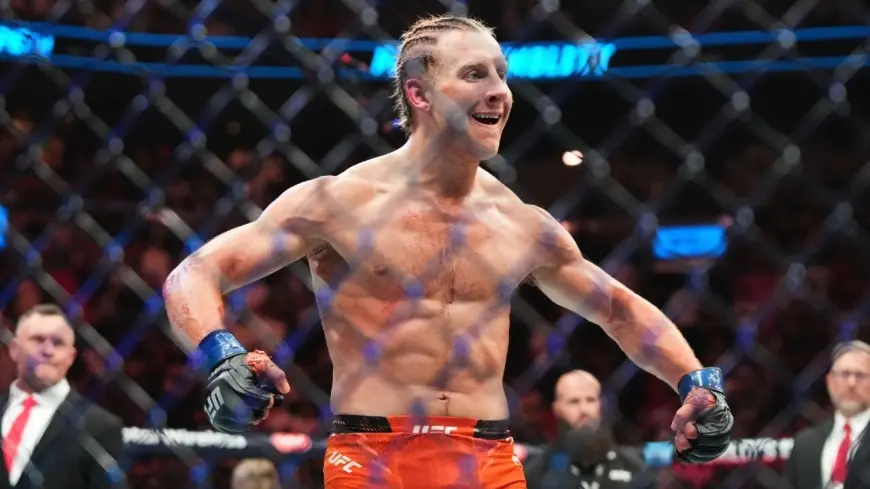
Smotherman stepped onto the scale on January 23 in Las Vegas and successfully weighed in at 135.5 pounds for a bantamweight bout. Moments later, he appeared unsteady and collapsed on stage. Medical personnel responded quickly, and he was taken for evaluation. The matchup with Ricky Turcios was subsequently canceled and removed from the event.
Smotherman later posted an update acknowledging the scare, thanking people for concern, apologizing to Turcios, and emphasizing that the collapse wasn’t what many assumed online. He described minimal cutting, said he didn’t know the cause, and noted further medical tests were planned.
Mini timeline of the incident and immediate aftermath
-
Jan. 23, 2026 (morning): Smotherman makes weight at 135.5 for bantamweight.
-
Seconds later: He collapses shortly after stepping away from the scale; medical staff intervene.
-
Same day: He is transported for evaluation; the Smotherman–Turcios fight is removed from the card.
-
Later on Jan. 23: Smotherman shares he passed head/neck imaging, received stitches, and was discharged.
-
Next step: Additional medical testing is expected to determine whether the episode was dehydration-related, neurological, cardiac, or something else.
Why “made weight” doesn’t equal “safe,” even when the cut wasn’t huge
It’s tempting to treat a weigh-in collapse as proof of a brutal cut. Sometimes it is. Sometimes it isn’t. Even a modest cut can collide with sleep loss, anxiety, travel, illness, medications, or an underlying condition that hasn’t shown itself under normal training stress. The weigh-in environment adds its own strain: bright lights, standing still after exertion, adrenaline swings, and the sudden stop after a final push to hit the number.
For the UFC and athletic regulators, incidents like this amplify two uncomfortable truths at once:
-
The scale is a compliance tool, not a health tool. A fighter can be on-weight and still medically fragile.
-
The incentive structure still rewards risk. If a harsher cut buys size advantage the next night, many athletes will keep pushing the line until policy moves the line back.
Smotherman’s case is still developing in the only way that matters medically: the “why” isn’t confirmed publicly yet. But the “what” is clear enough to shift the conversation—again—from who wins on Saturday to whether the sport can reduce the odds of a fighter hitting the floor on Friday.