























UN Grants Legitimacy to Trump’s ‘Board of Peace,’ Despite His Criticism

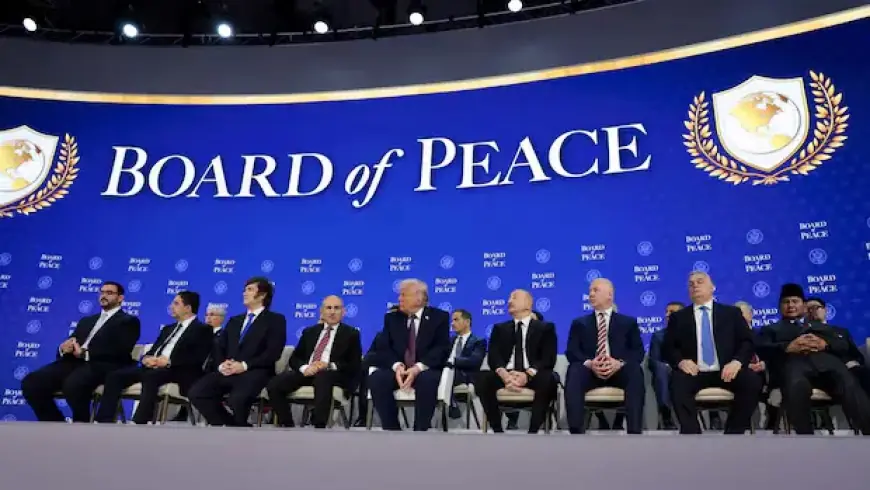
U.S. President Donald Trump recently introduced the “Board of Peace” at the World Economic Forum in Davos, Switzerland. This initiative aims to address international conflicts, particularly with a focus on rebuilding Gaza.
Details of the Board of Peace Initiative
Membership in the Board of Peace is exclusive and costly. Countries seeking permanent seats must contribute $1 billion. Other countries can serve on a temporary basis, which lasts three years or at the discretion of Trump, who chairs the board.
Countries Involved
Approximately 30 countries have joined the board, including regional powers in the Middle East. Significant nations include:
- Israel
- Turkey
- Egypt
- Saudi Arabia
- Qatar
- Bulgaria
- Hungary
In contrast, only two European Union nations have committed to participating, and several long-time U.S. allies have expressed caution regarding their involvement.
Legitimacy and Support from the UN
Despite criticism of the United Nations from Trump, the “Board of Peace” derives its legitimacy from UN Security Council Resolution 2803. This resolution endorsed Trump’s 20-point plan for ceasefire in Gaza, effectively granting the board an official status.
Critics’ Perspectives
Critics argue that the initiative undermines the role of the UN while lacking adequate Palestinian representation. The board does not include Palestinian leaders, instead relegating their representation to a lower committee. Yossi Mekelberg from Chatham House commented on Trump’s disregard for traditional international norms.
Responses from Global Leaders
Global leaders are closely observing the Board of Peace’s developments. Notably, Israeli Prime Minister Benjamin Netanyahu agreed to join the board but did not attend its launch in Davos due to an arrest warrant for war crimes. Russian President Vladimir Putin has also received an invitation but is reportedly contemplating his response.
International Concerns
Many countries in the Global South are wary of any initiative that diminishes the UN’s authority. The Economist’s Shashank Joshi noted that even as the UN faces challenges, nations do not wish to see disproportionate power accrue to the U.S. under Trump’s leadership.
Conclusion
As the Board of Peace moves forward, it reflects a complex intersection of U.S. foreign policy and global diplomacy. While it aims to address critical issues in the Middle East, its implications for the future of international cooperation remain uncertain and controversial.