

























Study Reveals Apple Watch’s Effectiveness in Detecting AFib

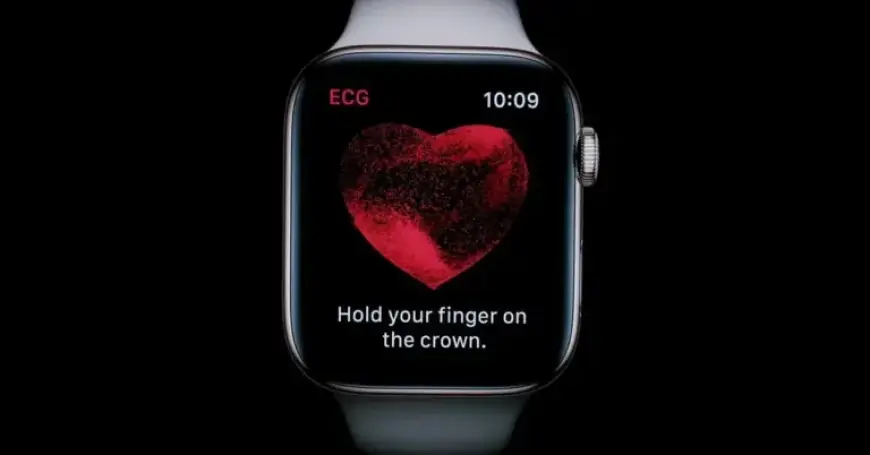
Recent research has unveiled the potential of the Apple Watch in detecting atrial fibrillation (AFib), a condition often overlooked by traditional diagnostic methods. A study conducted by Amsterdam UMC emphasizes how smartwatches can identify AFib cases, particularly among individuals unaware of their condition.
Study Overview
The study was a six-month investigation involving 437 participants, all aged 65 and older, each at an increased risk for stroke. The participants were divided into two groups: one group wore an Apple Watch, while the other received standard medical care.
- Participants: 437 individuals over age 65
- Apple Watch Group: 219 participants, wore the device for approximately 12 hours daily
- Standard Care Group: 218 participants
Findings on AFib Detection
After six months, results revealed significant discrepancies between the two groups in terms of AFib diagnoses:
- Apple Watch Group: 21 individuals were diagnosed with AFib; 57% of these had no symptoms.
- Standard Care Group: Only 5 individuals were diagnosed, all of whom reported symptoms.
This data underscores the ability of the Apple Watch to detect AFib in individuals who would not typically seek medical attention due to a perceived lack of symptoms. AFib can often be intermittent and may not show obvious signs, making continuous monitoring crucial.
Implications for Healthcare
Dr. Michiel Winter, a cardiologist at Amsterdam UMC, remarked on the significance of these findings. He noted that smartwatches equipped with photoplethysmography (PPG) and electrocardiogram (ECG) technologies can aid in diagnosing patients oblivious to their arrhythmias. This capability could streamline the diagnostic process, potentially reducing stroke risk while also benefiting the healthcare system by lowering costs associated with delayed diagnoses.
Conclusion
The applicability of the Apple Watch in detecting AFib suggests a transformative potential for wearable technology in healthcare. By catching cases early, it is possible to improve patient outcomes significantly. For further details on this comprehensive study, visit Filmogaz.com.