

























Trump’s Battle with Wall Street Landlords May Increase Rent Prices

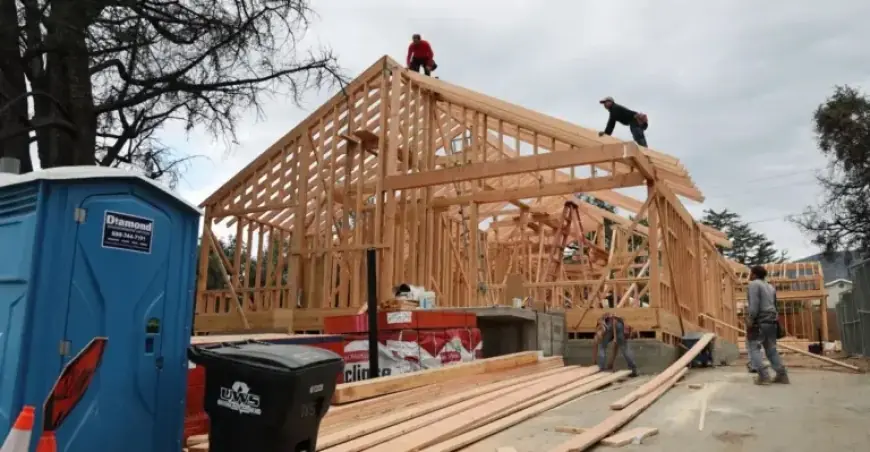
The ongoing conflict between institutional investors and housing affordability is intensifying in the United States. Major firms such as BlackRock and Invitation Homes are purchasing single-family homes at inflated prices, with offers sometimes exceeding 50 percent above the asking price. This trend has sparked concern among lawmakers and citizens alike about rising rents and the accessibility of homeownership for young families.
Trump’s Response to Wall Street Landlords
In recent actions, President Donald Trump pledged to restrict large institutional investors from acquiring single-family homes. This commitment culminated in an executive order aimed at limiting such purchases, initiated to alleviate the pressure on the housing market. Progressive members of the Senate have shown support for these measures, believing they could help reverse the trend of rising rents.
The Flawed Narrative
Despite the growing narrative that corporate investment is driving up housing costs, the reality is more complex. In 2022, institutional investors owned less than 1 percent of America’s single-family homes, a figure insufficient to account for the surging home prices. The idea that Wall Street investment is primarily responsible for the housing crisis has gained traction not through empirical evidence but through its ideological appeal.
Current Housing Market Statistics
- The median price of a single-family home reached $412,500 in 2024, five times the median US income.
- Approximately one-third of Americans and half of all renters now pay more than 30 percent of their income on housing.
- In 2022, institutional investors held 0.55 percent of single-family homes and 3 percent of single-family rentals.
- Major cities like New York and San Francisco see minimal corporate investment in single-family homes.
The Benefits of Institutional Investment
While institutional investment may lead to slight price increases in certain markets, it also contributes positively to rental availability. Here are three mechanisms through which these firms can potentially improve housing affordability:
- New Construction: Many institutional investors finance the construction of new homes, expanding the overall housing stock.
- Operational Efficiency: Large landlords can reduce operating costs, allowing them to offer competitive rents.
- Increased Rental Inventory: By converting homes into rentals, large firms increase options for tenants, balancing market demand.
Impact on Rent Prices
Research indicates that institutional investment may have lowered rents by preventing shortages. For example, a 2025 study found that rents in Atlanta would be 2.4 percent higher without this investment. Similarly, findings from Baruch College highlight that each percentage point increase in institutional investment correlates with a 0.7 percent decrease in rents.
Addressing Segregation Through Investment
From a social perspective, institutional investment may also help reduce racial and socioeconomic segregation. By increasing rental housing availability in previously affluent communities, these investments allow for greater diversity. Studies show that lower-income renters often relocate to better neighborhoods, improving educational opportunities for their children.
Conclusion
While Wall Street’s role in housing has sparked debate, the underlying issues driving high costs are more systemic. Zoning regulations, bureaucratic hurdles, and a lack of investment in affordable housing contribute to the crisis. As discussions around Trump’s ban on Wall Street landlords continue, it is crucial to explore comprehensive solutions that address these fundamental challenges rather than scapegoating a few corporations.