
























Philadelphia Sues Over Removal of Slavery Exhibits from President’s House Site

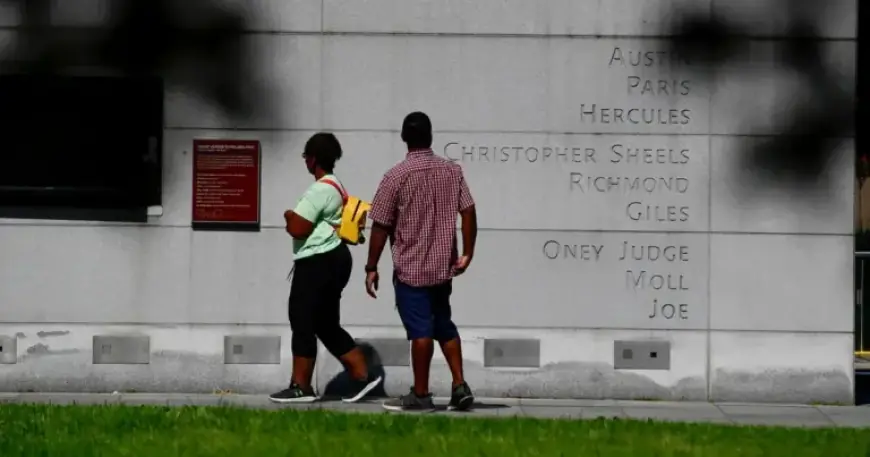
The city of Philadelphia has initiated a lawsuit against the Interior Department and the acting director of the National Park Service. This legal action stems from reports that crucial exhibits related to slavery have been removed from the President’s House Site, which is part of the historic Independence National Historical Park. Filings were made in federal court on Thursday, seeking to restore these exhibits.
Details of the Lawsuit
The lawsuit alleges that the National Park Service (NPS) has taken down artwork and educational panels at the President’s House site, actions executed under Executive Order No. 14253 signed by former President Donald Trump in March. The city claims it was informed only recently about the removal of the materials that referred to slavery.
- Kenyatta Johnson, Philadelphia City Council President, stated that removing these exhibits is a manipulation of American history.
- He emphasized that historical truth cannot be erased simply due to discomfort, and that such actions alter the historical landscape.
Video evidence showed individuals dismantling exhibits, including one titled “The Dirty Business of Slavery.” The removal is described in the lawsuit as “arbitrary and capricious,” highlighting the lack of notice given to the city regarding these changes.
Government Response
The Interior Department and the NPS have not yet responded to requests for comment. However, an Interior Department spokesperson mentioned that the changes came after a review to ensure that interpretive materials align with “shared national values.”
Trump’s executive order aims to prevent federal materials from including content that disparages historical figures and events. Critics argue that the directive misrepresents historical narratives, calling into question the understanding of America’s complex past.
Historical Context of the President’s House
The President’s House is significant as it was once home to President George Washington, who, according to the NPS, brought enslaved individuals into the home. Additionally, President John Adams also resided there. In 2003, the House of Representatives urged the NPS to acknowledge the presence of enslaved people at this site.
- A cooperative agreement established in 2006 led to the creation of an exhibit focusing on the site’s history.
- Memorials and information panels about slavery were opened to the public in 2010.
Community Reaction
The removal of these panels has sparked condemnation from several community members and groups. The Black Journey, an organization promoting Black history in Philadelphia, remarked that the removal does not erase the truth of the past.
U.S. Representative Brendan Boyle also criticized the removal, asserting that both Philadelphia and the nation deserve an honest reflection of their history.
Historical Integrity and Future Implications
This case highlights the broader implications of historical representation in public spaces. The National Park Service’s previous actions, including changes to the Stonewall National Monument’s website, raise concerns over historical integrity and the importance of depicting a comprehensive view of America’s past.
In conclusion, the ongoing lawsuit emphasizes the need for sensitivity and accuracy in representing historical truths, particularly in locations such as Philadelphia that serve as reminders of a complex and often painful heritage.