























Alex Honnold Challenges Taipei 101 Live on Netflix: Tougher Than El Capitan?

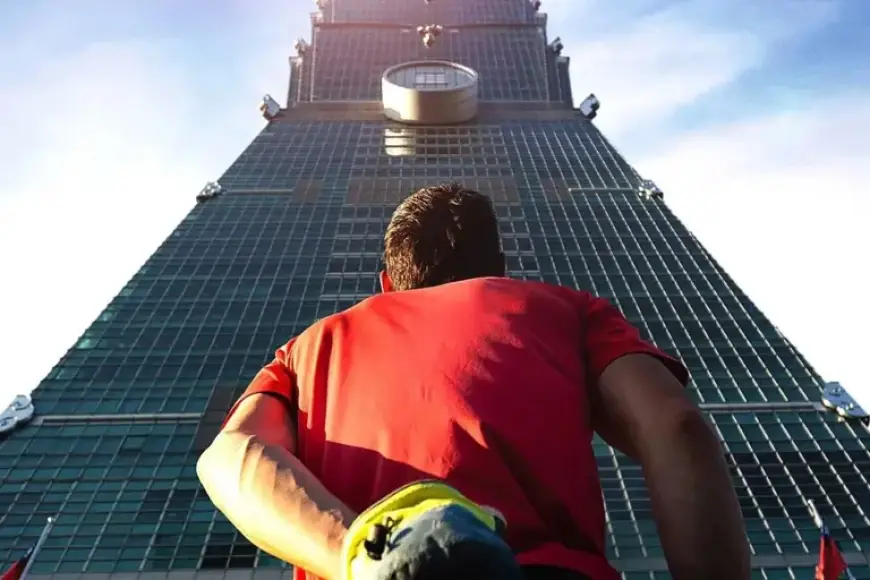
Alex Honnold, the legendary climber known for his daring ascents, is set to tackle Taipei 101, one of the tallest buildings in the world. This thrilling climb will take place without any safety ropes or harnesses and will be broadcast live on Netflix. As anticipation builds, there are significant questions about this unprecedented urban climb.
Live Broadcast and the Stakes
Scheduled for Friday, the live event will showcase Honnold’s exceptional skills and the inherent risks involved. The promotion for this special notes that Honnold is a father of two, emphasizing the dangerous nature of his ascent. The stakes are high, with Netflix aiming to present not only a remarkable athletic feat but also the potential for tragedy if anything goes wrong during the climb.
The Comparison: Taipei 101 vs. El Capitan
Honnold’s previous accomplishments include the iconic unassisted ascent of El Capitan, depicted in the Oscar-winning documentary “Free Solo.” With that in mind, climbing a man-made structure like Taipei 101 raises intriguing comparisons. How do these two climbing challenges differ?
- Natural Rock vs. Man-Made Structures: Natural rock formations offer varied challenges, while buildings, such as Taipei 101, present uniform surfaces.
- Technical Aspects: Climbing skyscrapers involves unique techniques, such as smearing feet on glass surfaces, which can demand different physical skills.
- Repetitive Movements: Honnold may face fatigue from repeating a few specific moves on the building versus the dynamic nature of a rock face.
Insights from Experts
Noah Kane, an experienced climber, provided insights into urban climbing and its intricacies. He noted that while prominent climbers like Alain Robert have tackled famous buildings, urban climbing remains a niche endeavor. Kane emphasized that the difficulty of climbing Taipei 101 will depend heavily on its structural features.
The Climb’s Technical Challenges
Kane explained that climbing Taipei 101 might consist of three primary movements, with two being easier and one significantly more difficult. Trusting foot placements on the smooth glass surface can pose unique challenges compared to rock climbing.
Weather Conditions
The risks of climbing are amplified by environmental factors. Honnold’s ascent could be hindered by bad weather, particularly if it rains. Humidity can work in his favor, as it helps the rubber in climbing shoes grip the glass better.
Ethics of Broadcasting High-Stakes Climbing
The decision to broadcast such a perilous feat raises ethical questions. The climbing community is divided on the commercialization of high-risk events. While some believe it to be irresponsible, others argue that it can promote the sport positively. Noah Kane stands in favor of showcasing Honnold’s talents and contributions to the climbing world.
Conclusion: A Challenging Yet Historic Event
Honnold’s climb of Taipei 101 symbolizes not just his incredible ability but also the merging of athleticism and media. As viewers prepare to watch this extraordinary event, it serves as a reminder of the complexities inherent in both climbing and the ethics of publicizing extreme sports.