























Trump Faces UK Backlash Over NATO Allies’ Afghan Frontline Claims

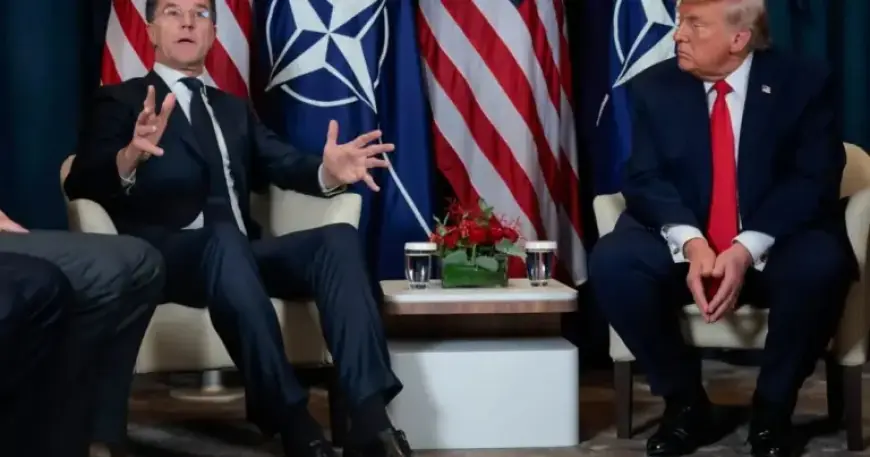
Amid rising tensions in transatlantic relations, U.S. President Donald Trump faces significant backlash in the UK. His recent statements regarding NATO allies’ contributions to the Afghan conflict have sparked outrage among British lawmakers and the public.
Key Figures Respond to Trump’s Comments
Prominent political figures have voiced their disapproval of Trump’s remarks. Neil Kinnock, a senior Labour politician, suggested that it is best to disregard comments that misrepresent reality. His stance underscores the prevailing sentiment among British officials.
- Emily Thornberry: Chair of the Commons Foreign Affairs Committee, labeled Trump’s statements as more than just a mistake, calling them an “absolute insult” to families of Afghan conflict victims.
- Ed Davey: Leader of the Liberal Democrats, criticized Trump for questioning the sacrifices of military personnel, reminding everyone of the president’s avoided military service.
- Calvin Bailey: Labour MP and former Royal Air Force officer, stated that Trump’s perspective on the situation starkly contrasts with what those who served experienced.
- Ben Obese-Jecty: Conservative MP and ex-British Army captain, expressed sadness over Trump’s dismissive remarks regarding sacrifices made by British and NATO soldiers.
- Al Carns: Defense Minister and ex-Royal Marines officer, described Trump’s comments as “utterly ridiculous.”
Background of Tension
This incident is part of a challenging week for UK-U.S. relations. Trump’s threats to impose trade tariffs on Britain over its support for Greenland raised eyebrows. His criticism of London’s stance regarding the Chagos Islands added further strain to diplomatic ties.
The responses from various MPs highlight a broader sentiment within the UK regarding the value of sacrifices made during the Afghan conflict. The backlash reflects deep-seated concerns about respect for military personnel, particularly in light of Trump’s comments on NATO allies.
As the situation evolves, it remains to be seen how these tensions will affect future interactions between the UK and the United States.