

























“How Trump Transformed ICE and CBP into a Secretive Force”

The transformation of Immigration and Customs Enforcement (ICE) and Customs and Border Protection (CBP) under Donald Trump has marked a significant shift in American policing. This development is especially evident in cities like Minneapolis, where federal officers now operate with an overwhelming presence, often perceived as a form of occupation.
Background on ICE and CBP
ICE and CBP are two federal entities that emerged in the aftermath of the 9/11 attacks. Their roles have drastically evolved, especially during Trump’s presidency.
- ICE (Immigration and Customs Enforcement) focuses on deportations and immigration enforcement.
- CBP (Customs and Border Protection) supervises border security and immigration processing at ports of entry.
Historically, these agencies faced scrutiny for various controversial practices. However, under Trump, they have escalated their operations to more aggressive levels, leading to significant public concern.
The Dubious Forces of Occupation
Recently, over 3,000 ICE and CBP agents deployed to Minneapolis drew attention. This force significantly exceeds the combined personnel of the city’s ten largest local police departments, leading many to equate this presence with federal occupation.
Border Patrol chief Gregory Bovino has been a prominent figure in these operations. Critics argue that these actions resemble a militarized approach to policing, evoking memories of tactics employed during the Global War on Terror.
Changes in Enforcement Practices
Under the current administration, ICE has shifted from targeted operations to broad, indiscriminate enforcement. The previous reliance on “prosecutorial discretion” has diminished, resulting in more aggressive rounding up of undocumented individuals, often based on superficial criteria like race.
This shift has produced concerning statistics, revealing that a substantial number of detained individuals have no criminal history. Recent data shows that nearly 73% of these detainees face no prior convictions.
Training and Operational Concerns
Both ICE and CBP face criticism for their training and operational readiness. The majority of their officers, classified as “1801s,” have lower education and training standards compared to criminal investigators in “1811” positions, which include seasoned agencies like the FBI.
This lack of preparation can lead to hostile interactions with civilians. Documented incidents reveal that ICE and CBP agents often resort to excessive force, illustrating a serious lack of de-escalation skills. Their approach, rather than being strategic and respectful of civil rights, has been characterized by aggressive enforcement tactics.
Public Reaction and Resistance
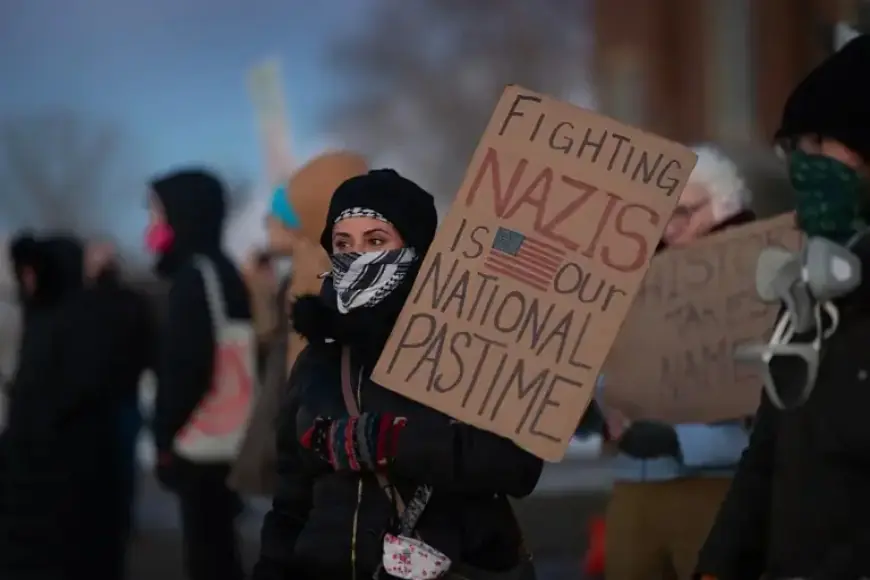
Community reactions in cities like Minneapolis have highlighted a burgeoning resistance against these tactics. Citizens have mobilized, documenting federal actions and providing support to targeted individuals.
This grassroots movement reflects a growing public sentiment against the militarization of local policing and the erosion of civil liberties under the guise of immigration enforcement.
Conclusion: A Call for Change
The transformation of ICE and CBP into secretive forces under Trump has provoked a national dialogue about the appropriateness of their actions. As citizens increasingly challenge these agencies, the focus on accountability, proper training, and the safeguarding of civil rights becomes more critical than ever.
Ultimately, the systemic issues within ICE and CBP necessitate a reevaluation of their roles and responsibilities in American society. The ongoing resistance showcases the power of the community to effect change and the imperative for a balanced approach to law enforcement and immigration reform.