Trump Administration Panics as Oil Prices Surge

The sharp increase in oil prices has left the Trump administration in a state of unease. Initial estimates expected a brief price spike due to escalating tensions in the Middle East, particularly after the onset of the war with Iran. However, as oil prices have surged to nearly $120 a barrel, officials are scrambling to minimize the economic fallout.
Oil Price Surge and Economic Concerns
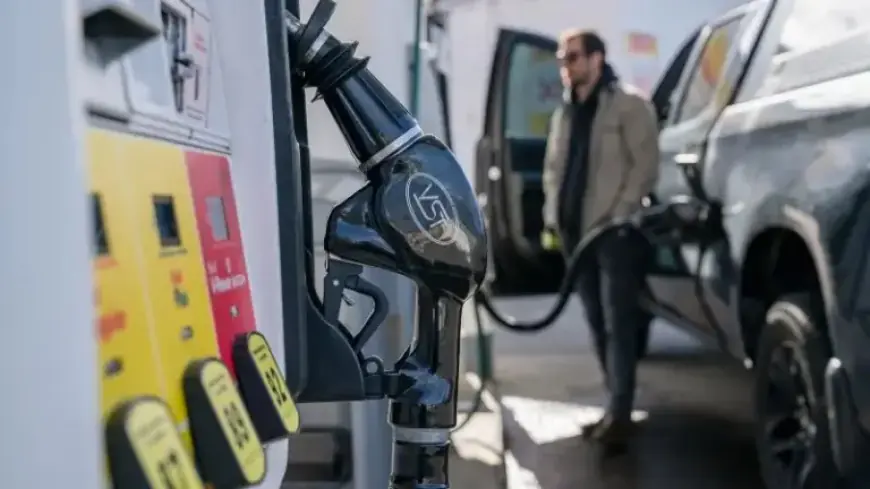
Recent developments have caused U.S. gas prices to rise significantly, with the national average jumping by 51 cents per gallon in just one week. This increase has created alarm within the administration, especially as officials had centered their strategy around maintaining lower gas prices to support their party’s position in the upcoming midterm elections.
Strait of Hormuz Disruptions
Shipping traffic through the strategically important Strait of Hormuz is currently disrupted. This vital waterway accounts for approximately 20% of the world’s oil supply. Since the onset of the conflict, shipping companies have been hesitant to resume operations due to safety concerns stemming from military actions in the region.
Options Under Consideration
In response to the volatility in oil markets, officials have been exploring various measures:
- Easing regulatory restrictions on domestic oil production.
- Intervening in the global oil trade.
- Possible release of the U.S. strategic petroleum reserve.
- Contemplating military escorts for tankers navigating the Strait.
The U.S. administration is working with energy stakeholders, pushing for accelerated domestic oil production. However, many companies are reluctant to increase output without clear indications of how long the high prices might persist.
Global Coordination and Future Prospects
The Group of Seven (G7) nations recently discussed a coordinated release of national reserves to counter the supply crunch but opted not to take immediate action. While numerous strategies are being contemplated, experts warn that these measures may not have the desired impact on stabilizing oil markets.
As it stands, the administration acknowledges that the most effective solution to the crisis likely hinges on resolving the conflict in the Middle East. Energy experts emphasize that the current oil market is significantly constrained, suggesting that alternative measures may provide limited relief.
As the Trump administration navigates this challenging situation, the urgency to mitigate rising oil prices remains paramount to protecting the economy and addressing voter concerns ahead of upcoming elections.