Australia Faces Setback as Home Fuel Stockpiling Hits Major Snag

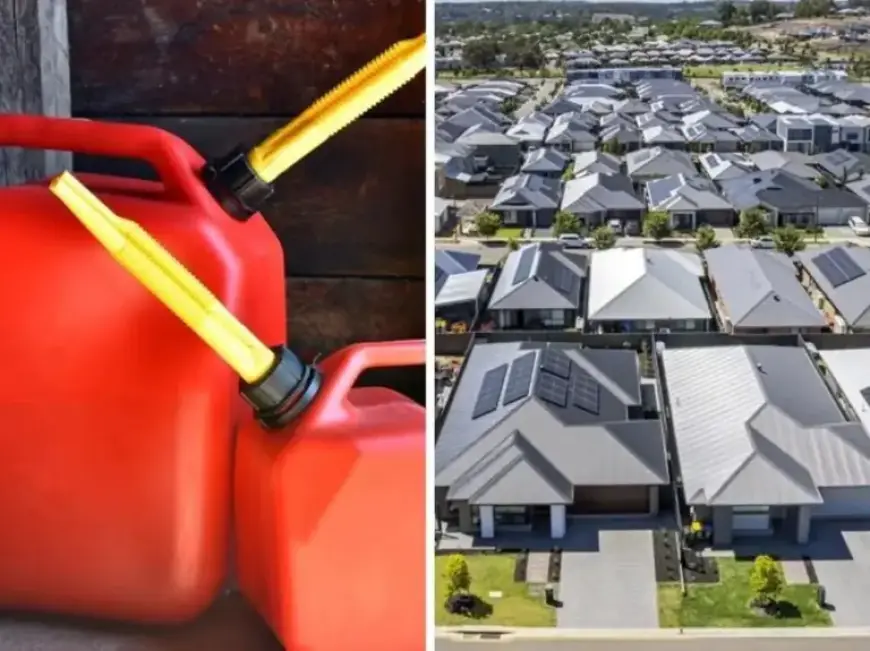
Australia is facing significant challenges as residents respond to rising fuel prices with a surge in home fuel stockpiling. This behavior has raised serious concerns among insurance experts, as homeowners may inadvertently void their policies during this time of panic. The Insurance Council of Australia warns that disastrous consequences could arise if home fuel storage is not conducted properly.
Home Fuel Stockpiling and Insurance Risks
As fuel prices continue to climb, many Australians have begun stockpiling petrol and diesel at home. However, homeowners should be aware that their insurance policies might not cover damages triggered by hazardous materials like stored fuel. Standard home insurance policies typically exclude coverage for loss or damage resulting from failure to comply with safety laws.
Insurance Council Guidance
A representative from the Insurance Council emphasized, “Policyholders must disclose any changes that could affect their property’s risk profile.” Significant fuel storage may be viewed as such a change. They also highlighted that homeowners are advised to review their Product Disclosure Statements and consult with their insurers about coverage related to fuel storage.
Safety Standards and Storage Regulations
- Homeowners must adhere to safety standards for storing hazardous materials.
- Incorrect storage can lead to serious financial consequences, including liability for damage to neighbors’ properties.
- Queensland’s regulations define hazardous chemicals and establish strict safety protocols for their storage.
Energy Minister Chris Bowen has urged Australians not to panic about fuel supplies. Despite long queues at service stations, he reassured the public that the country has ample reserves, with 36 days of petrol and 34 days of diesel readily available. Minister Bowen specifically noted that refining companies maintain strong confidence in the supply chain.
Recent Price Surges and Consumer Advice
The recent conflict in the Middle East has spurred not only panic buying but also rapid price increases at fuel stations. The RACQ has raised alarms over potential price gouging, referring major retailers to the Australian Competition and Consumer Commission for investigation. RACQ’s reports indicate that Brisbane has the highest average price for unleaded fuel among Australian capitals.
Dr. Ian Jeffreys from RACQ stated, “We’ve seen an increase in the global oil price, but this typically takes up to two weeks to impact Australian prices, not just two days.” He encourages consumers to be proactive in finding the best fuel prices available rather than hoarding fuel at home.
Important Fuel Storage Safety Tips
- Use approved metal or plastic containers designed to meet AS 2906-2001 standards.
- Avoid storing fuel inside vehicles to reduce fire risks.
- Fuelling for long periods is discouraged, as most fuels have a three-month shelf life.
- Store fuel in a cool area and away from ignition sources.
In the face of rising fuel costs and stockpiling trends, Australian homeowners must navigate these challenges carefully. Understanding both the risks and safety measures surrounding fuel storage is vital to avoid financial loss and ensure compliance with insurance policies.