Experts Warn: Iranian Drone Strikes on Amazon Gulf Data Centers Signal New Tactics

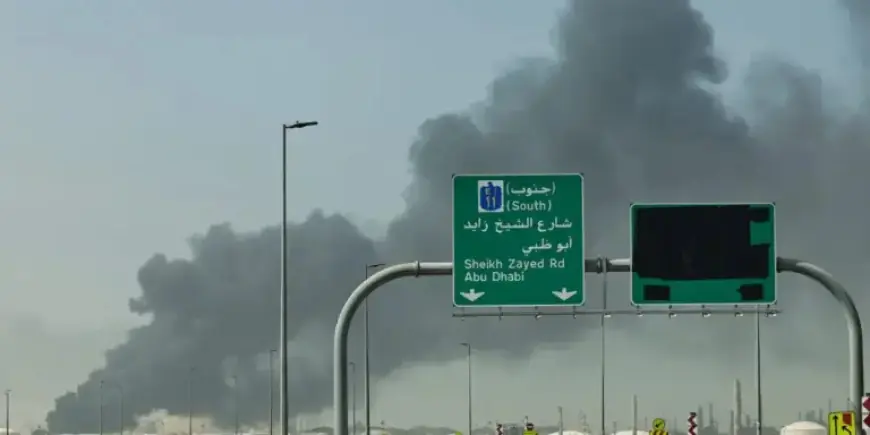
The recent drone strikes on Amazon Web Services (AWS) data centers in the Gulf region have raised alarms among experts. Two facilities in the United Arab Emirates and one in Bahrain were targeted, resulting in severe service outages. The implications of these attacks extend far beyond the immediate damage, highlighting the vulnerabilities of critical infrastructure.
Overview of Drone Strikes on AWS Data Centers
Last week, Iranian drones or missiles struck three AWS-operated data centers. The attacks forced these centers offline, affecting numerous sectors, including banking and enterprise software. The incident is notable for being one of the first instances where data centers were directly targeted in military conflict.
Impact on Military and Intelligence Operations
- The U.S. military utilizes AWS for various operations, including AI model analytics.
- Iranian media claimed the Bahrain facility was attacked to assess its role in military functions.
- While AWS has not confirmed impacts on military workloads, experts suggest repercussions could be significant.
The Growing Importance of Data Centers
Data centers have evolved into strategic assets in both civilian and military domains. The lines separating commercial cloud computing from military operations are increasingly blurred. Facilities like AWS serve critical roles for diverse industries, from banking to defense.
Vulnerabilities of Data Centers
Data centers are typically equipped with physical security measures, but these defenses often fail against aerial attacks. Exposed infrastructure, such as cooling systems and generators, can lead to significant disruptions even without a direct hit. Experts stress the need for enhanced security protocols, including missile defense systems, particularly for facilities located in high-risk regions.
Global Implications of Targeted Strikes
The drone strikes coincide with ongoing geopolitical tensions, particularly regarding submarine cables that traverse the Red Sea. These cables carry the majority of data between Europe, Asia, and Africa. Several critical chokepoints are currently in conflict zones, raising concerns about potential widespread disruption.
The Future of Data Center Security
| Expert Insights | Concerns Raised |
|---|---|
| Zachary Kallenborn | Risk awareness for data centers is insufficient globally. |
| Sam Winter-Levy | More attacks on data centers are anticipated as conflicts intensify. |
| Doug Madory | Simultaneous closure of key chokepoints could lead to global disruptions. |
Conclusion
The attacks on AWS data centers signal a troubling trend in the intersection of military strategy and commercial technology. As data centers increasingly support both civilian and military functions, their vulnerability to physical attacks may escalate. Experts agree that more robust security measures and strategic planning are essential to protect these critical infrastructures in the face of evolving threats.