Snowfall Turns Unusual in January 2026: Rare Flurries in Shanghai, Transport Disruptions Across Asia, and “Snowy State” Scenes in Florida

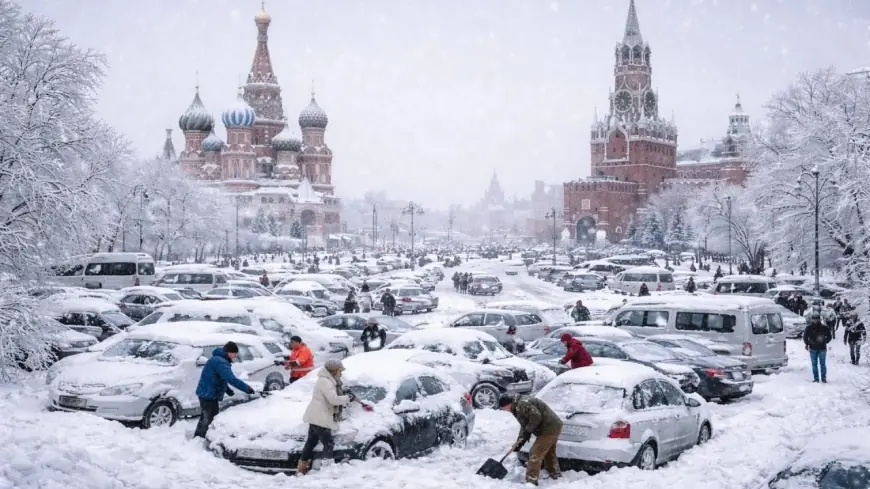
Snowfall is making headlines this week for one reason: it’s showing up where people don’t expect it, and doing so fast enough to snarl travel. A sharp cold surge has delivered rare snow in Shanghai and helped trigger major disruptions across parts of China, Japan, and Russia’s Far East, while the Florida Panhandle saw snow again for a second straight winter—still a surprise in a place built for palm trees, not plows.
What’s driving the attention isn’t just the snow itself, but the whiplash: recent mild conditions in some areas gave way to abrupt cold, turning rain into flakes and pushing road, rail, and flight operations into disruption mode.
Snowfall in Shanghai: rare flakes after a week of warmth
Shanghai waking up to snow is enough to stop a city in its tracks, and that’s exactly what happened on Tuesday, January 20, 2026. The snowfall followed a steep temperature drop as colder air pushed into southern China, creating a weather moment that residents described as sudden and unusual.
Shanghai’s snow is noteworthy because the city doesn’t see significant snowfall often, so even light accumulation can amplify impacts—slippery surfaces, slower commutes, and greater strain on transport systems that aren’t designed around winter precipitation. The same cold push has also affected other parts of southern China, where temperature drops have been measured in the double digits (Celsius) in a short span.
-
Shanghai recorded rare snowfall on Jan. 20, 2026, following an abrupt cold surge.
-
Southern China saw sharp temperature drops, turning wet weather into wintry conditions.
-
Road closures multiplied across multiple provinces as icy stretches spread.
-
Flights and regional transport faced disruption as the cold blast widened beyond one city.
-
The speed of the shift—warm days to snow—became the story, not just the snowfall totals.
Snowfall spreads across Asia: Russia’s Far East buried, Japan transport hit
The same broader winter blast has been linked to extreme snowfall in Russia’s Far East, where some areas have been dealing with snow levels described locally as among the most severe in decades. The operational effect is predictable: blocked roads, delayed services, and a challenge for emergency response when snow depth outpaces clearing capacity.
In Japan, the cold and snow have also disrupted travel—especially in regions already prone to heavy winter weather—leading to warnings about non-essential movement and intermittent flight impacts. Across the region, the pattern looks less like one isolated storm and more like a sustained cold push affecting multiple countries at once.
For travelers, this kind of event has a familiar hazard profile:
-
Rapid icing after precipitation
-
Temporary closures of mountain routes and exposed highways
-
Delays cascading from airports to rail links to road traffic
Florida snowfall again: the Sunshine State’s winter oddity returns
On the other side of the world, snowfall also surprised parts of the western Florida Panhandle over the weekend, with flakes briefly covering grass, rooftops, and even beachside scenes. Snow didn’t stick to roads for long, but it lingered just enough to create the kind of images Floridians don’t see every year.
The striking detail: this wasn’t a once-in-a-generation moment. A similar region saw snow last winter as well, and the memory of that event is why many residents instantly recognized the setup—cold air arriving behind a front, rain tapering, and then a short window where temperatures align perfectly for snow.
Why these snowfall stories matter now: it’s about disruption and resilience
“Unusual snowfall” stories travel quickly because they combine novelty with practical risk. When a city that rarely sees snow gets it, the disruption can be disproportionate: fewer winterized tires, fewer salt/sand supplies, and systems optimized for rain rather than ice.
Even in places that do get snow regularly, extremely heavy bursts can overwhelm infrastructure. The key is not simply how much snow falls, but how fast it falls and how long the cold persists—two factors that can compound into multi-day transport and supply-chain issues.
A short historical note adds perspective: Shanghai’s last comparable snow event is often referenced as January 2018, while Florida’s Panhandle still points to January 2025 as a benchmark modern snow episode. Those comparisons are part of why this week’s snowfall is being treated as more than a curiosity.
FAQ
Why is snowfall in Shanghai considered rare?
Shanghai’s winters can be cold, but significant snowfall is infrequent, so any meaningful snow event stands out and can cause outsized disruption.
Did the Florida snow “count” as a real snowstorm?
In many areas it was brief and light, but it was still snow—enough to coat lawns and rooftops and trigger winter weather messaging.
What should travelers watch for during sudden snowfall events?
Rapid icing, road closures, flight delays, and knock-on impacts to rail and bus schedules—especially in regions that don’t routinely operate in snow.
Snowfall is likely to stay in the news over the next few days as officials track how long the cold lingers, whether additional snow bands develop, and how quickly transport networks return to normal. The most important signals to watch aren’t the social-media photos—they’re the operational ones: reopened highways, restored flight schedules, and whether the cold snap extends beyond the initial three-day window in the hardest-hit areas.