Oleksandra Oliynykova Tennis: Ukrainian Debutant Pushes Madison Keys Early at Australian Open 2026 as Her Off-Court Mission Draws Attention

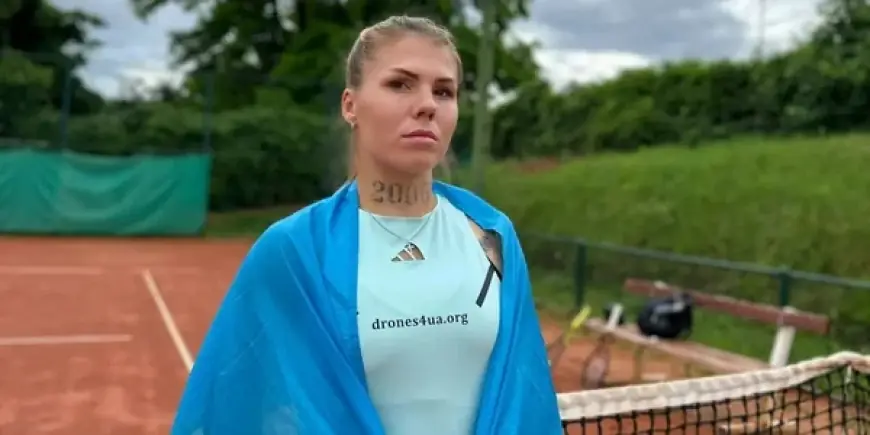
Oleksandra Oliynykova arrived at the Australian Open as a first-time main-draw player, a new name for many casual fans, and a storyline that stretches far beyond tennis. On Tuesday in Melbourne, the 25-year-old Ukrainian was handed one of the toughest possible openings: a first-round match on Rod Laver Arena against Madison Keys, the defending champion and a top-10 seed.
Oliynykova didn’t fold under the moment. She forced a tense first set, created real pressure, and briefly had Keys scrambling to steady her timing. But the favorite ultimately escaped, winning 7–6(6), 6–1, sending Oliynykova out in the first round while also introducing her to the global spotlight that comes with the sport’s biggest stage.
Oliynykova vs Keys: A First-Set Fight That Announced a Newcomer
The headline score looks routine only after the fact. The match began with Oliynykova pushing Keys into uncomfortable patterns, using deep, looping shots to disrupt rhythm and extend rallies. Early breaks put the defending champion in a hole, and the set became a test of nerve.
Oliynykova earned two set points in the tiebreak, the kind of opening that can turn a Grand Slam debut into a breakout upset. Keys shut the door with power and poise, and the entire match swung on that sequence. Once Keys stole the first set, the second moved quickly: Keys jumped ahead, protected her serve, and closed the contest without letting the underdog rebuild momentum.
For Oliynykova, the takeaway is still significant. She showed she can handle the arena, the pace, and the pressure for long stretches. The next step is sustaining that level when the match turns from “competitive” to “finish line.”
Oleksandra Oliynykova: The Ranking Rise Behind the Debut
Searches for “Oliynykova tennis” have surged because her rise has been fast. Over the past year, she climbed from the fringes of the tour into the top 100, reaching around No. 90 in the world entering this Australian Open stretch. That jump wasn’t a slow grind; it was a leap driven by late-season results and sharper week-to-week consistency.
Her résumé includes multiple titles below the main tour level and a run of bigger trophy wins that helped unlock direct entry into majors. The Australian Open main draw was the reward, but it’s also the new baseline. Once you’re in the top 100, expectations shift: fewer qualifying weeks, more main-draw chances, and far more scrutiny.
The Other Reason Oliynykova Is Trending: Her Ukraine Mission
Oliynykova’s attention isn’t only about forehands and backhands. She has been outspoken about the war’s impact on her family and on daily life in Kyiv, and she has built a public platform around supporting Ukraine’s defense efforts. She has linked her motivation to her father’s military service and has framed her presence at major tournaments as an opportunity to keep the reality of war visible to an audience that can easily move on.
That approach is unusual in a sport where players often keep politics at arm’s length. Oliynykova has done the opposite, speaking bluntly about what she views as moral inconsistency in tennis and the emotional toll of competing while her family lives the consequences of war.
The result is a player whose identity in the public eye is forming in two parallel lanes: a rising competitor and a determined advocate.
Style, Strengths, and What Needs to Improve
Oliynykova’s game has a clear logic: she changes pace, varies height and spin, and tries to draw opponents into awkward contact points rather than trading flat power every rally. Against big hitters, that can be a real weapon, especially when she’s landing returns deep and defending with discipline.
Three areas will likely decide how far she goes in 2026:
-
Second-set durability: Once opponents solve the first-set puzzle, she must adjust faster to avoid runaway sets.
-
Serve stability under stress: Early breaks against top players are hard to protect without a reliable first-serve pattern.
-
Finishing at the margins: Converting set points and closing sets is the difference between “plucky debut” and “headline upset.”
What’s Next for Oliynykova After Melbourne
A first-round loss at a major can still be a launching point. For Oliynykova, the ranking level she’s reached opens doors to bigger tournaments, better scheduling options, and more chances to face top players without going through qualifying.
The bigger question is whether she can turn the attention from this Australian Open appearance into sustained results on hard courts after building much of her momentum elsewhere. If she can, “Oleksandra Oliynykova tennis” won’t be a one-week search trend. It will be the start of a real tour presence.
For now, her Australian Open debut delivered two truths at once: Keys is still a champion who survives danger, and Oliynykova is no longer anonymous.