Iran Conflict: When Will Gulf Nations Halt Oil Production?

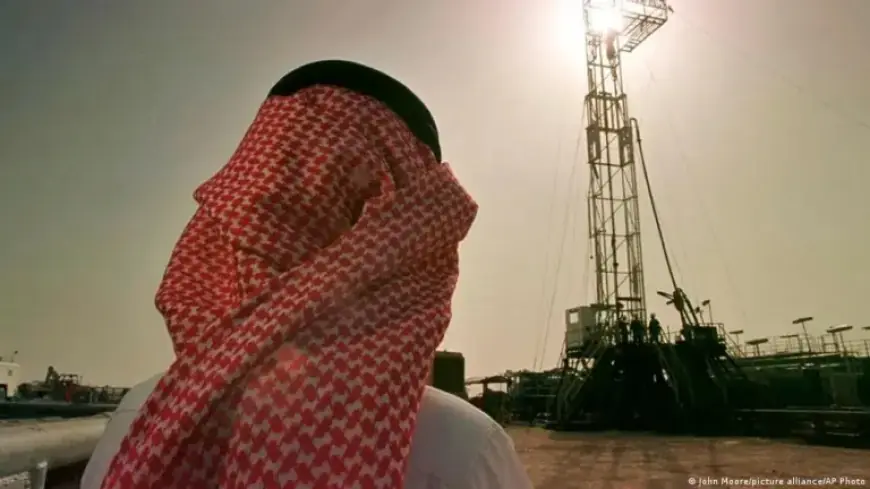
The ongoing conflict involving Iran has sent shockwaves through global energy markets, especially concerning oil production in the Gulf region. Recent escalations, including targeted strikes on energy infrastructure, have raised significant concerns about the sustainability of oil supplies.
Gulf Oil Production at Risk Amid Escalating Conflict
As the conflict deepens, oil prices surged, with Brent crude nearing $120 a barrel. This sharp increase followed Israeli attacks on Iran’s energy facilities. However, prices have fluctuated, dropping below $90 on subsequent days. Nonetheless, this remains over 20% higher than before the conflict ignited on February 28.
The Impact of Conflict on Energy Infrastructure
The hostilities have raised alarms about energy infrastructure across the Middle East. Gulf producers are struggling with damaged facilities resulting from Iranian attacks. Additionally, there are fears about the closure of the Strait of Hormuz, a vital passage for oil trade, which facilitates the transport of about 20% of global oil supplies.
- Oil and LNG tankers are immobilized due to the strait’s closure.
- Gulf states collectively face dwindling storage capacity for oil exports.
- JP Morgan estimates that Gulf nations can store approximately 343 million barrels of oil.
Could Gulf Oil Production Be Halted Soon?
The escalating situation has led to speculations about the potential halt of Gulf oil production. Countries in the region, including Saudi Arabia, the UAE, and Iraq, have been directly affected by Iranian aggression. Diplomatic tensions have intensified as Iran has launched strikes on various facilities.
Iraq’s oil reserves are in peril, with reports indicating it has only six days of storage left. This has led to output cuts of 1.5 million barrels per day. In contrast, Saudi Arabia reportedly has 66 days of storage capacity but could face forced cuts within a week.
Consequences of a Production Shutdown
If Gulf oil production were to stop, global oil prices could rise dramatically, potentially reaching $150 a barrel. The International Energy Agency warns that sustained disruptions could shift the market from a surplus to a deficit.
- Saudi Arabia has reportedly reduced production by up to 2.5 million barrels per day.
- The UAE has cut output between 500,000 and 800,000 barrels per day.
- Kuwait reduced its production by approximately half a million barrels per day.
Such shutdowns would have severe implications for the global economy as the Gulf region accounts for one-third of the world’s seaborne crude oil supply.
Damage to Energy Sites from Attacks
Iran’s attacks have inflicted substantial damage on crucial energy facilities in the Gulf. Notably, Iranian drones targeted Saudi Aramco’s Ras Tanura refinery, which has a refining capacity of 550,000 barrels per day. Qatar’s Ras Laffan facility, the largest LNG export site, also suffered significant damage, prompting a halt in operations.
Despite some reassurances from Iranian leadership, sporadic strikes continue to threaten regional stability. The ongoing conflict and the risk of further military action highlight the precarious position of Gulf nations and the global reliance on Middle Eastern oil.