Augmentation Prix Essence exposes a gap between supply and prices, drivers say

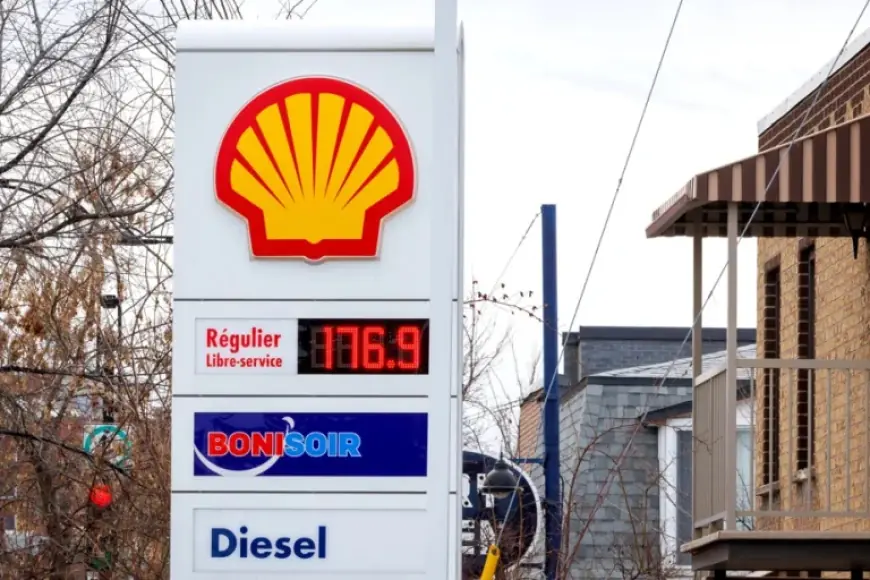
At a Shell station on rue Jarry a litre of regular gasoline was selling for 176. 9 cents — a single pump price that crystallizes the broader pattern of an abrupt augmentation prix essence that has many motorists rethinking travel and budgets.
What is not being told about the sudden pump shock?
Verified facts: The Régie de l’énergie data show the average price per litre of regular gasoline in Quebec rose by more than 20 cents in less than a week. Observed pump prices ranged from about 1. 44 $/L in some regions prior to recent events to 176. 9 cents at the Montreal station where motorists limited purchases to small amounts. The price average in the Montreal region stood near 1. 45–1. 50 $/L earlier in the year and had climbed to 174. 1 cents per litre in a later snapshot. The international price benchmarks that traders watch—the Brent and the West Texas Intermediate—both moved above the 100 US dollars per barrel level in recent sessions recorded in the material at hand.
Saibal Ray, professor at the Desautels Faculty of Management at McGill University, notes that inventories of previously purchased crude can delay transmission of market moves to pump prices, but that a prolonged conflict will push prices higher. Yvan Cliche, specialist in energy at the University of Montreal, projects that prices will continue to rise while tankers cannot circulate through the Strait of Hormuz.
What explains the Augmentation Prix Essence?
Verified facts: The information in the present material links the spike at the pump to recent hostilities in the Middle East. The Strait of Hormuz was cited as a passage essential to global flows of crude, and interruptions there have been connected to upward pressure on crude markets. Observers recorded that when the barrel price rises rapidly, refiners and retailers often move pump prices up within days; conversely, declines in crude have tended to take longer to reach the pump.
Local drivers describe immediate, tangible effects. Julie Fortier, who often uses an autopartage service to avoid variable fuel costs, said fixed rental pricing felt preferable on the day of the spike. A 19-year-old student, Thaissa Bellevue, reported that a recent $30 fill would need repeating within a week. Candido de Barros limited his purchase to about 14 litres and said it was the first time he had filled at that price. An 87-year-old motorist, Ernst Bléus, questioned why prices rose so sharply only days after the regional conflict began and accused both government and oil companies of profiteering. Roger Almeida and Yves Robert noted impacts on household spending and food prices; one driver said he now buys only $20 or $40 at a time to cope.
What does this mean and who must answer?
Analysis: The verified facts point to two simultaneous drivers. First, an external shock to global crude benchmarks—linked in the available material to military actions in the Middle East and to constrained transit through a key shipping chokepoint—has fed upward pressure on wholesale energy costs. Second, the observed behaviour of regional pump pricing has amplified that pressure for consumers: pump prices in some cases rose sharply within days, while historical patterns described by academic experts suggest declines will lag.
Who benefits and who is exposed: Motorists who commute or depend on larger vehicles absorb the immediate bulk of the increase; those who can switch to fixed-price carsharing perceived relief. The material identifies energy specialists and professors who frame the mechanism; named everyday drivers provide ground-level testimony of hardship and frustration.
Accountability and next steps (verified fact vs. analysis): Verified fact: the Régie de l’énergie records the rapid rise and the regional averages cited above; named academics document the inventory effect and the typical lag between crude declines and pump relief. Analysis: These documented dynamics justify a request for greater transparency from regulators and industry on the timing and rationale for price adjustments at retail pumps. Public clarity on how wholesale movements, inventory drawdowns, and retail margins combine to produce the observed augmentation prix essence would allow policymakers and consumers to evaluate remedies and protections for vulnerable households.
Final, verifiable note: the conflicting signals—local North American supply patterns versus a globally traded oil market—are present in the material and are central to why an abrupt augmentation prix essence can occur even when domestic supply lines are intact.